
Cat Behavior Explained: Why Cats Do What They Do
Cats aren't mysterious—they're misunderstood. Every quirky behavior your cat displays has a scientific explanation rooted in thousands of years of evolution. What looks like random weirdness is actually perfectly logical when you understand cat logic.
This guide explores why cats do the strange things they do, from their oddly specific comfort behaviors to their seemingly inexplicable reactions. Each behavior we examine reveals something fundamental about feline psychology—and helps you understand your cat on a deeper level.
The Science Behind Comfort Behaviors
Cats spend up to 70% of their lives sleeping, and they're extremely particular about where and how they rest. But their comfort behaviors go far beyond finding a warm spot. They're constantly creating environments that satisfy deep-seated instincts.
Why Boxes Are Irresistible
If you've ever watched a cat squeeze into a box half its size, you've witnessed one of the most universal cat behaviors on the planet. The scientific explanation involves thermoregulation, stress reduction, and predator avoidance instincts that haven't changed since cats were wild.
Research from the University of Utrecht found that shelter cats given boxes showed significantly lower stress levels than those without—adapting to their new environment days faster. The confined space triggers a feeling of security that's hardwired into feline neurology.
 Adam Gill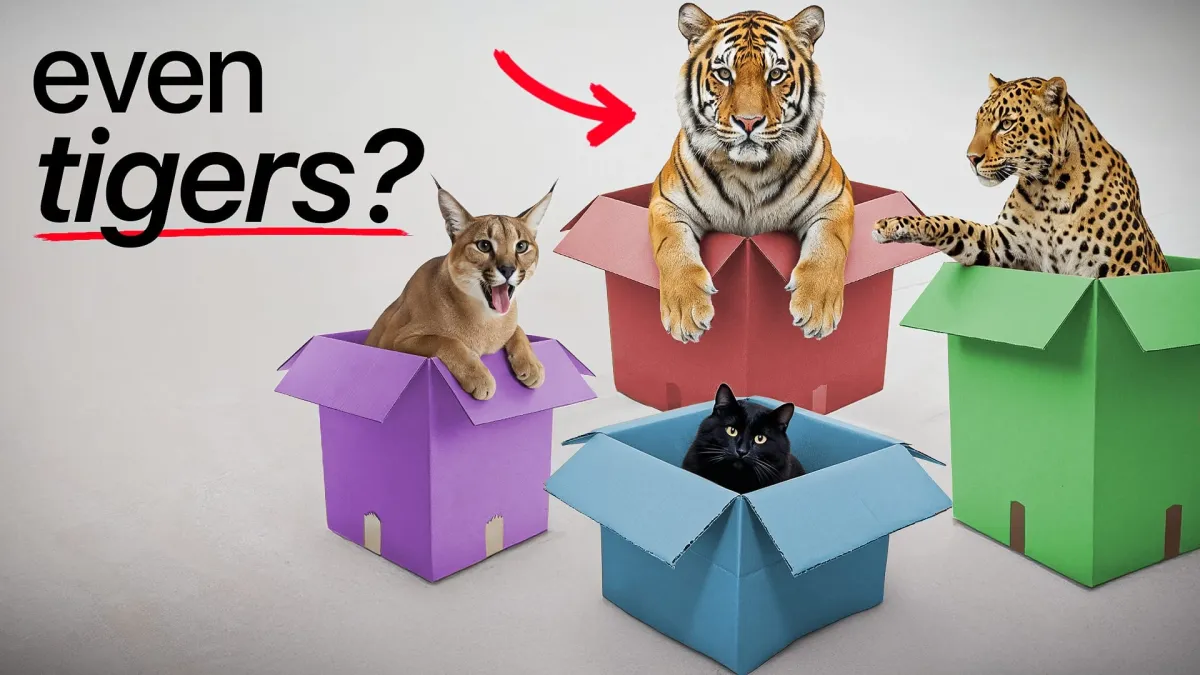
The box phenomenon extends to any enclosed space: sinks, shopping bags, even squares of tape on the floor. Cats aren't being silly—they're following an instinct that kept their ancestors alive.
The Loaf Position Explained
Few cat behaviors generate as much internet curiosity as the "loaf"—that compact pose where cats tuck all four paws beneath their body, resembling a bread loaf. Far from random, loafing is a deliberate thermoregulation strategy.
When a cat loafs, they're minimizing their surface area exposed to air. This conserves body heat while keeping their paws warm. It's also a sign of moderate relaxation—not fully vulnerable (like belly-up sleeping), but comfortable enough to sacrifice mobility.
 Adam Gill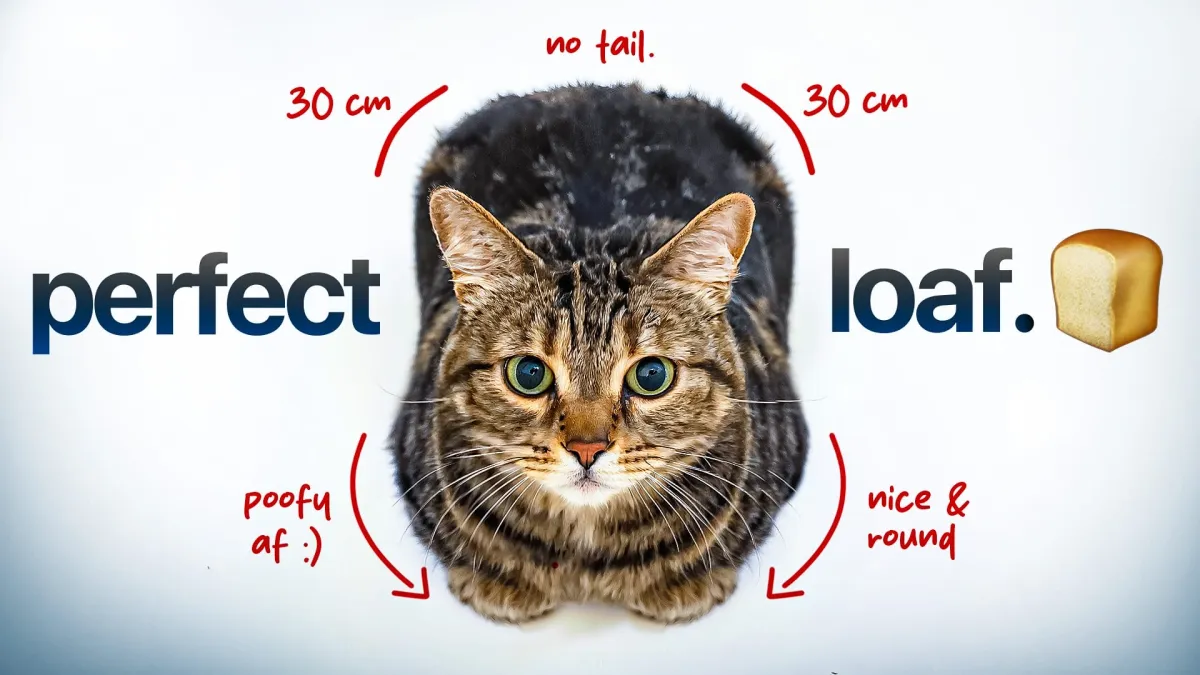
The loaf position reveals your cat's ambient comfort level. A cat who loafs frequently feels secure in their environment—secure enough to sacrifice their ability to spring into action instantly.
Weather and Sleep Patterns
Cat owners often notice their pets sleep even more than usual during rainy days. This isn't coincidence—it's an evolved response to environmental conditions that would have affected hunting success in the wild.
Low barometric pressure, reduced light, and the sound frequencies of rain all trigger conserve-energy responses in cats. Their ancestors learned that hunting during storms was inefficient, so resting until conditions improved made biological sense.
 Adam Gill
Modern indoor cats retain these weather responses even though they'll never hunt for survival. The instinct persists because evolution moves slowly—your cat's brain is still running on wild-cat software.
Sensory Responses and Environment
Cats experience the world through senses far more acute than ours. Their reactions to sounds, lights, and environmental changes often seem bizarre to humans—but make perfect sense when you understand feline sensory processing.
Why Most Music Irritates Cats
Play your favorite song for your cat and you'll likely get an unimpressed stare or an exit from the room. Cats don't hate all sounds—they hate the frequency ranges and patterns in human music.
Human music is composed for human hearing. Our frequency range tops out around 20,000 Hz. Cats hear up to 64,000 Hz—meaning much of what we find pleasant sits in a narrow band they find either boring or actively annoying.
 Adam Gill
Researchers have created "species-appropriate music" for cats using their preferred frequencies, tempo ranges matching purring, and sliding tones similar to feline vocalizations. Cats respond positively to these compositions—proving they don't hate all music, just ours.
Grooming and Oral Behaviors
Cats are fastidious groomers, spending 30-50% of their waking hours on coat maintenance. But sometimes grooming behaviors extend beyond their own fur—to yours.
When Cats Eat Human Hair
If your cat licks, chews, or tries to eat your hair, you're witnessing a behavior that sits at the intersection of grooming instinct, nutritional seeking, and potential compulsive disorder. The line between normal and concerning isn't always obvious.
Social grooming (allogrooming) is how cats bond with family members. When your cat grooms your hair, they may be treating you as a fellow cat—an honor, really. But persistent hair-eating can indicate pica, a condition where cats compulsively eat non-food items.
 Adam Gill
Understanding the difference requires watching for patterns. Occasional hair-licking during cuddle sessions is normal. Seeking out and consuming hair obsessively warrants veterinary attention.
Reading Your Cat's Signals
Once you understand why cats do what they do, everyday interactions become richer. That loaf in the sunbeam isn't just cute—it's your cat telling you they feel safe. The box-diving isn't random—it's stress regulation in action.
Cat behavior science is still evolving. Researchers continue discovering that behaviors we dismissed as "quirky" have sophisticated explanations. Your cat's brain processes the world in ways we're only beginning to understand.
Frequently Asked Questions
What do different cat ear positions mean?
Cat ears are expressive indicators of mood. Forward ears signal curiosity or friendliness. Flattened or airplane ears indicate fear or aggression. Rotating ears show alertness to sounds. Relaxed, slightly forward ears mean contentment.
Why do cats like pspsps?
The "pspsps" sound mimics frequencies cats find interesting—similar to prey rustling or kitten distress calls. The sibilant sounds (s, ps) are in the high-frequency range cats hear best. It's essentially acoustic catnip that triggers their predatory attention.
What does cat chirping mean?
Chirping or chattering at birds and prey is normal predatory behavior. It may express excitement, frustration at unreachable prey, or be a mimicry hunting technique. Some researchers suggest it's a reflexive "killing bite" motion triggered by seeing prey.
Why is my cat vibrating?
A vibrating cat is usually purring—the rhythmic muscle contractions create the vibration. If the vibration isn't accompanied by the purring sound, your cat may have a silent purr (some cats do). True trembling without purring could indicate cold, fear, or a medical issue.
Why do cats knead?
Kneading is a comfort behavior retained from kittenhood, when kittens knead their mother's belly to stimulate milk flow. Adult cats knead when content, marking territory with scent glands in their paws, or self-soothing when stressed. It's a sign your cat feels safe and happy.
Explore More
Related Guides
 Adam Gill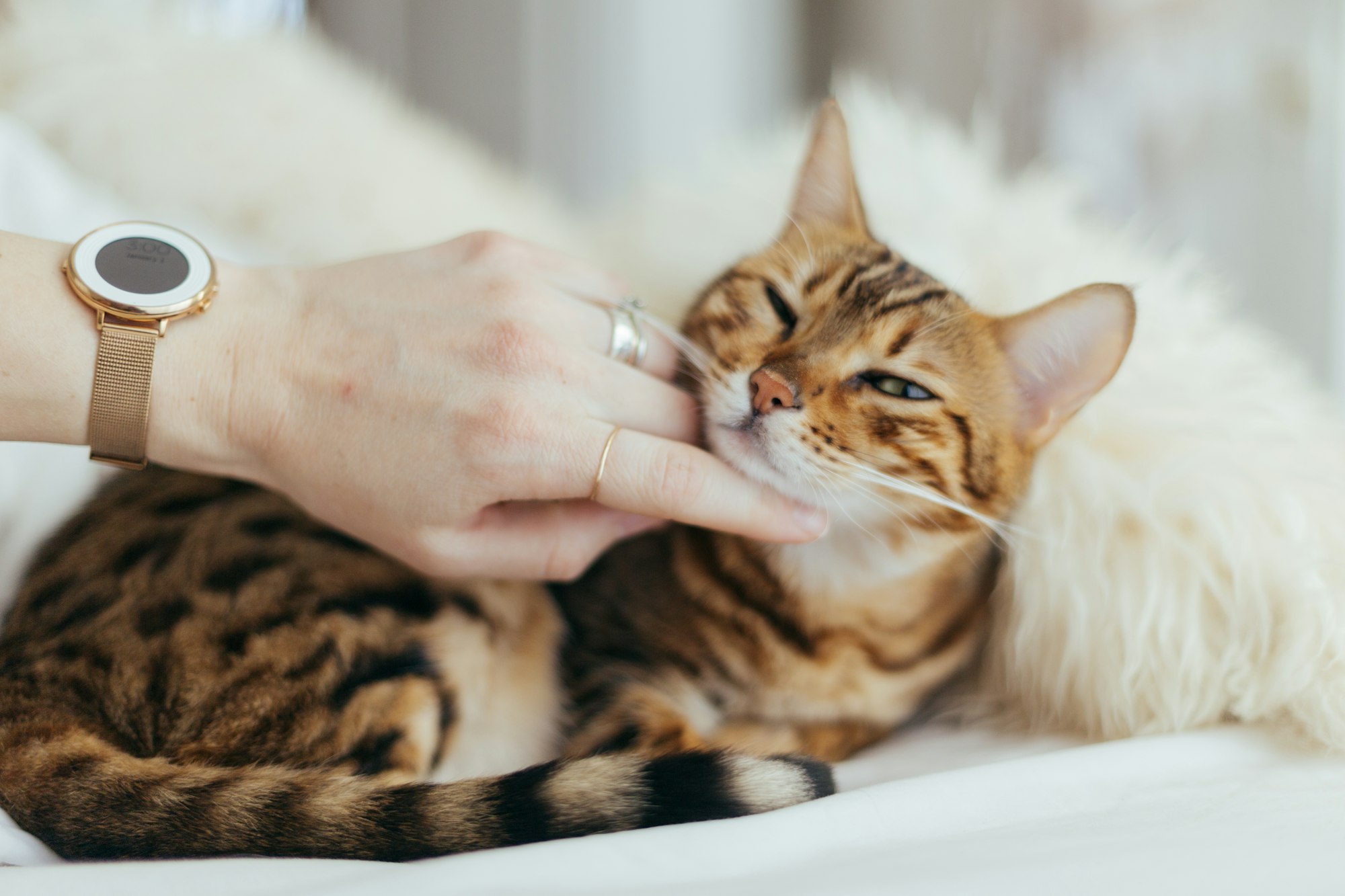
 Adam Gill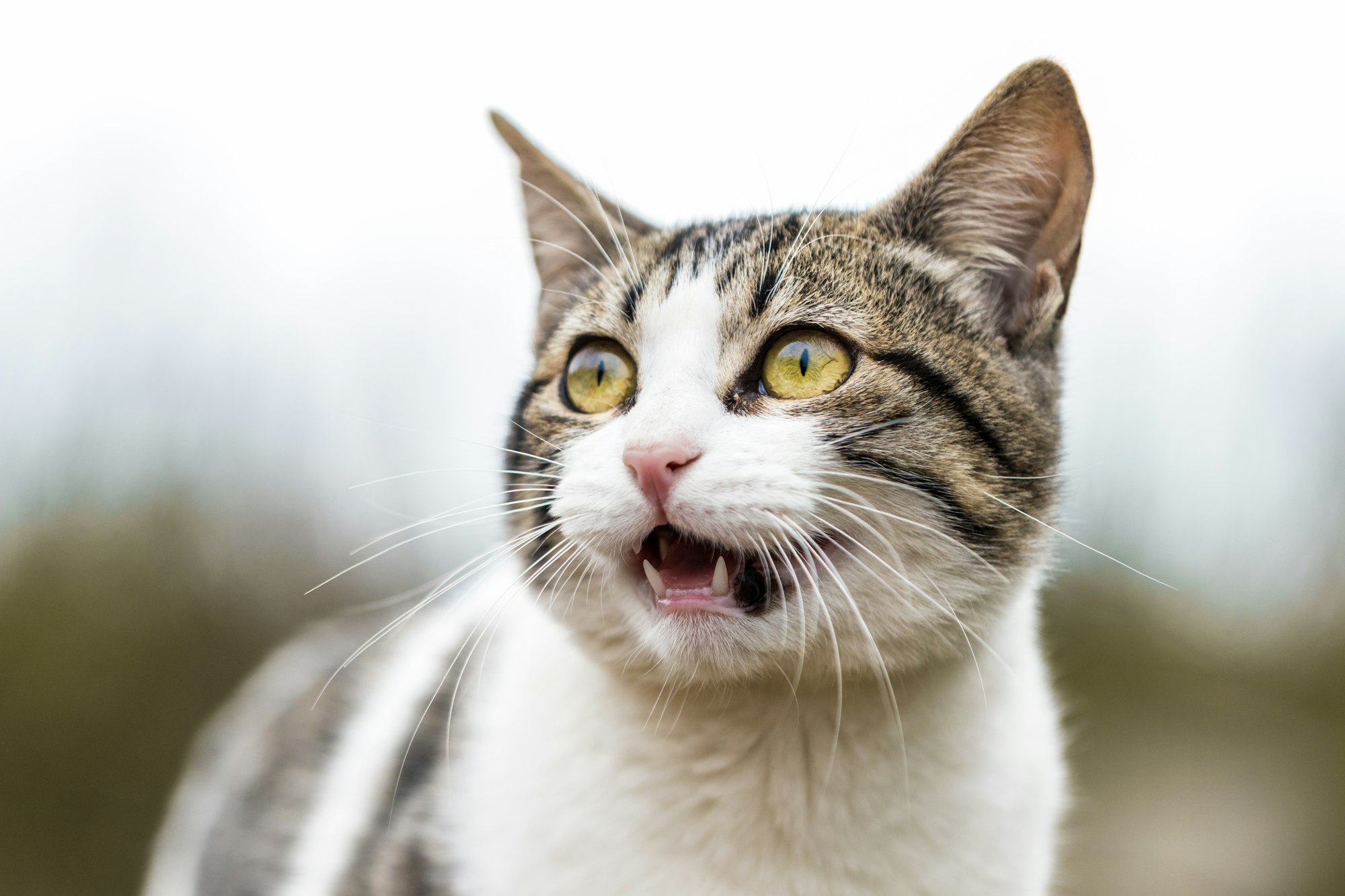
 Adam Gill
 Adam Gill
 Adam Gill
 Adam Gill