Can Cats See in the Dark? The Science of Feline Night Vision
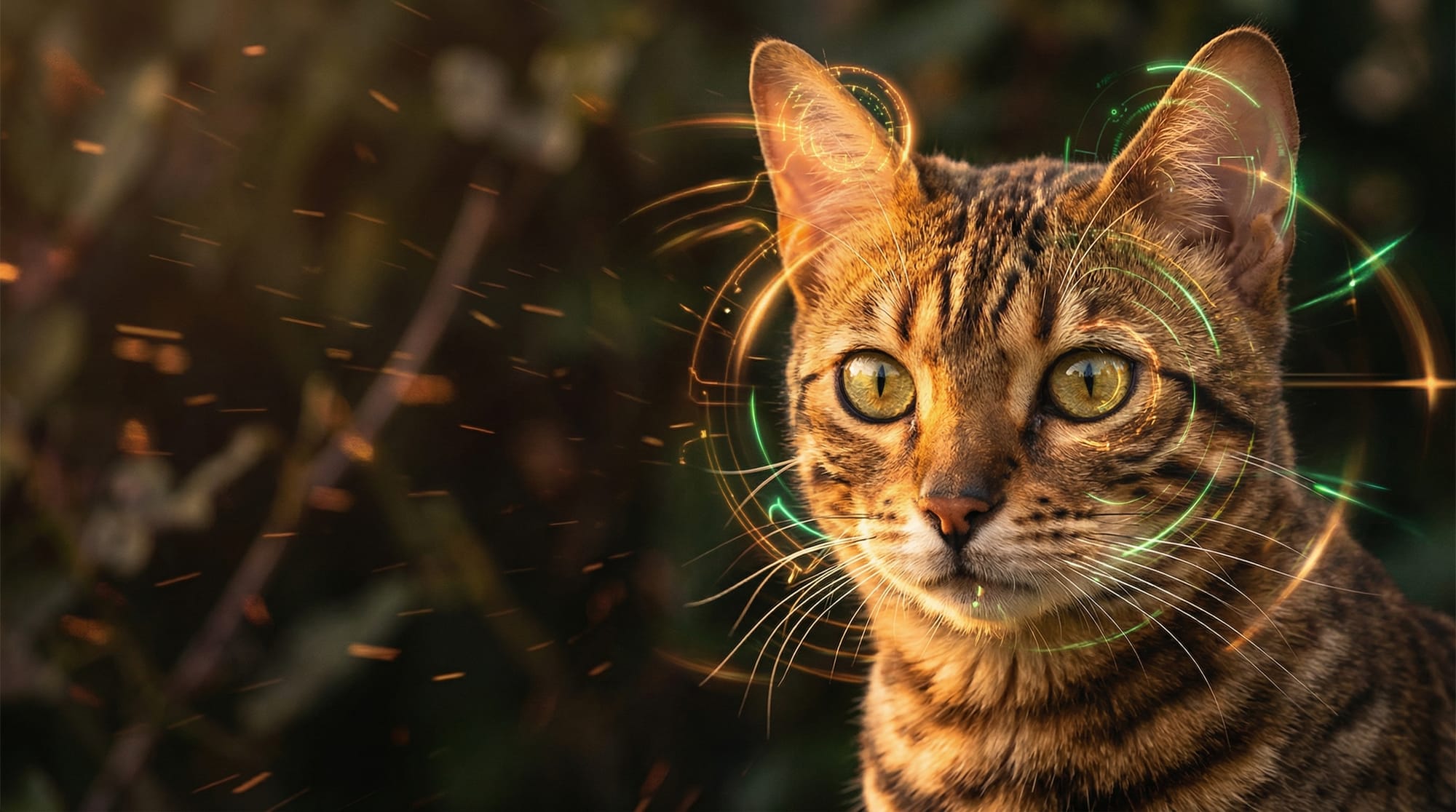
Cats see in 6x dimmer light than humans using a 135-fold dilating pupil, rod-dense retina, and tapetum lucidum mirror — but total darkness defeats even feline eyes.
Cats cannot see red — their dichromatic vision with a 505nm neutral point renders red as gray or muddy brown, an evolutionary trade-off that gave cats 6x better night vision than humans.
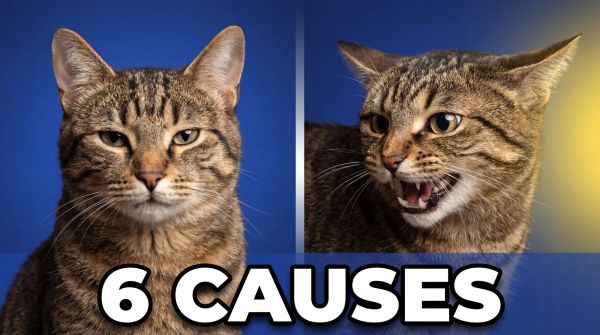
Caterwauling maps to six biological triggers — hormonal mating calls, cognitive dysfunction, pain, territorial disputes, separation anxiety, and learned behavior. Diagnose by your cat's age and status.
Excessive meowing signals medical issues, cognitive decline, environmental stress, or learned behavior. Learn the four diagnostic categories and when to see a vet.
A healthy cat at rest breathes 15-30 times per minute. Rapid breathing above 30 bpm during sleep may indicate heart disease, asthma, or other conditions requiring veterinary attention.
Cat drooling signals either contentment or a health concern requiring attention. Unlike dogs who commonly drool, cats rarely drool without reason. Learn when drooling is normal and when it's an emergency.
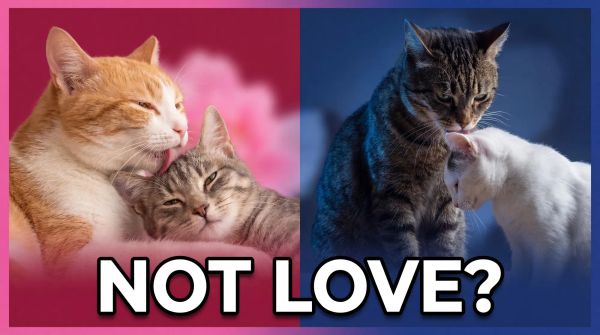
Cats lick humans as social grooming behavior. Research shows 91.6% of cat grooming is one-directional, with higher-ranking cats grooming subordinates to signal trust and group membership.
Kittens open their eyes between 7-14 days after birth. Learn the day-by-day timeline, why vision stays blurry for weeks, and when to worry about delayed eye opening.
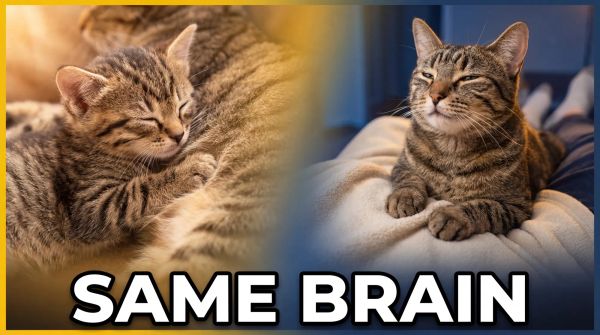
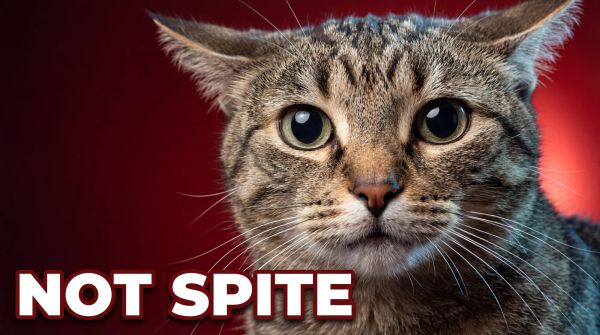
The 2021 CAT-Tri+ study mislabeled normal feline behaviors as psychopathic traits. Here's what the science actually shows about cat personality.
Can cats take Ozempic? Learn about the OKV-119 implant for feline obesity, the MEOW-1 clinical trial, and evidence-based strategies to help your cat today.
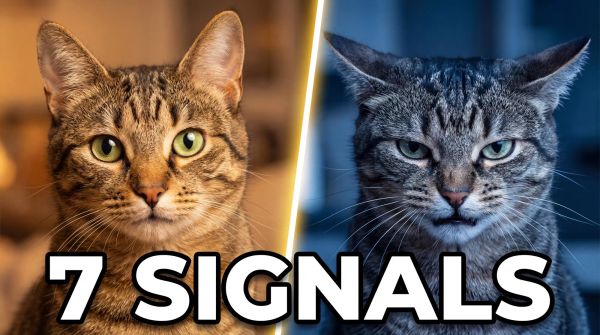
Cat body language uses ears, eyes, tail, and posture as a multi-channel system. Learn to read the 'Whole Cat' with the CatCog 5-Point Signal Check for accurate interpretation.
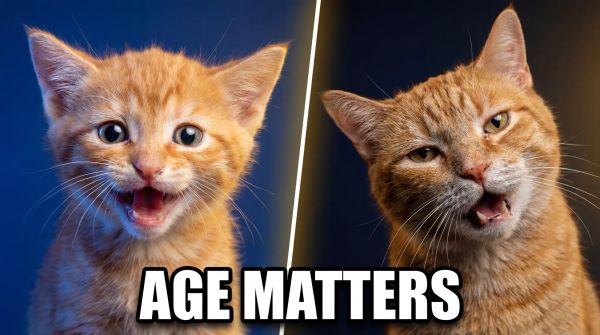
The 6 cat life stages are: Kitten (0-6 months), Junior (7 months-2 years), Prime (3-6 years), Mature (7-10 years), Senior (11-14 years), and Super-Senior (15+). A one-year-old cat equals 15 human years; a two-year-old equals 24 human years.