
Cat Bonding: Signs Your Cat Loves You (Science)
Do cats love their owners? Science says yes—but not in the way we might expect. Cats don't love like dogs, showering affection on everyone who offers attention. Cat love is selective, earned, and expressed through subtle signals that many owners miss entirely.
Research using attachment theory—the same framework used to study human infant bonding—has demonstrated that cats form secure attachments to their caregivers. They show separation anxiety when owners leave and clear preference for their person over strangers. The bond is real; you just have to know how to see it.
Recognizing the Signs of Cat Love
Cat affection operates through a different vocabulary than human or dog affection. The signals are quieter, more nuanced, and easy to miss if you're expecting tail-wagging enthusiasm.
The slow blink is perhaps the clearest declaration of feline love. When a cat looks at you and deliberately closes their eyes, they're communicating trust—essentially saying "I feel safe enough around you to make myself vulnerable." Returning the slow blink strengthens the bond.
 Adam Gill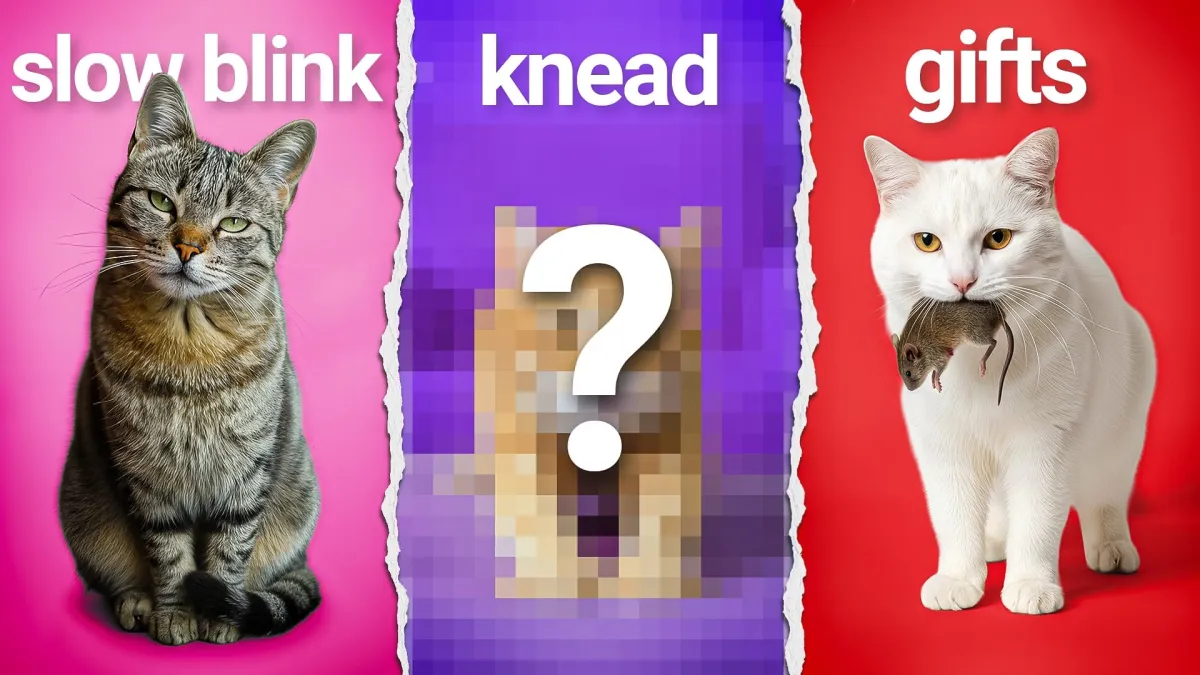
Other reliable indicators include the upright tail (greeting and friendship), head bunting (scent-marking you as theirs), and exposing the belly (extreme trust, though not necessarily an invitation to touch). Kneading on you—that rhythmic paw motion from kittenhood—means you trigger the same comfort response as their mother did.
The most significant sign may be simple proximity. A cat who chooses to be near you, especially during sleep (their most vulnerable state), is demonstrating profound trust.
How to Build Trust With Your Cat
Understanding cat affection helps, but actively building trust requires specific techniques. Cats don't respond well to forced interaction—you can't make a cat love you through persistence. Instead, you earn their trust by respecting their nature.
Petting technique matters more than most owners realize. There are specific areas cats prefer (cheeks, chin, base of ears) and areas that overstimulate or threaten (belly, tail base, paws). Understanding these preferences transforms petting from tolerated touch to genuine pleasure.
 Adam Gill
The rule of letting cats initiate contact is fundamental. Cats who approach you feel in control; cats who are approached feel cornered. The simple act of waiting for your cat to come to you builds more trust than months of chasing them for cuddles.
What Cats Actually Need From Us
Trust-building extends beyond direct interaction. Cats need specific environmental and social conditions to feel secure—and many owners inadvertently fail to provide them.
Resource security tops the list. Cats need to feel confident about food, water, and safe spaces. Unpredictable feeding schedules or limited hiding spots create chronic low-level stress that damages the human-cat bond.
 Adam Gill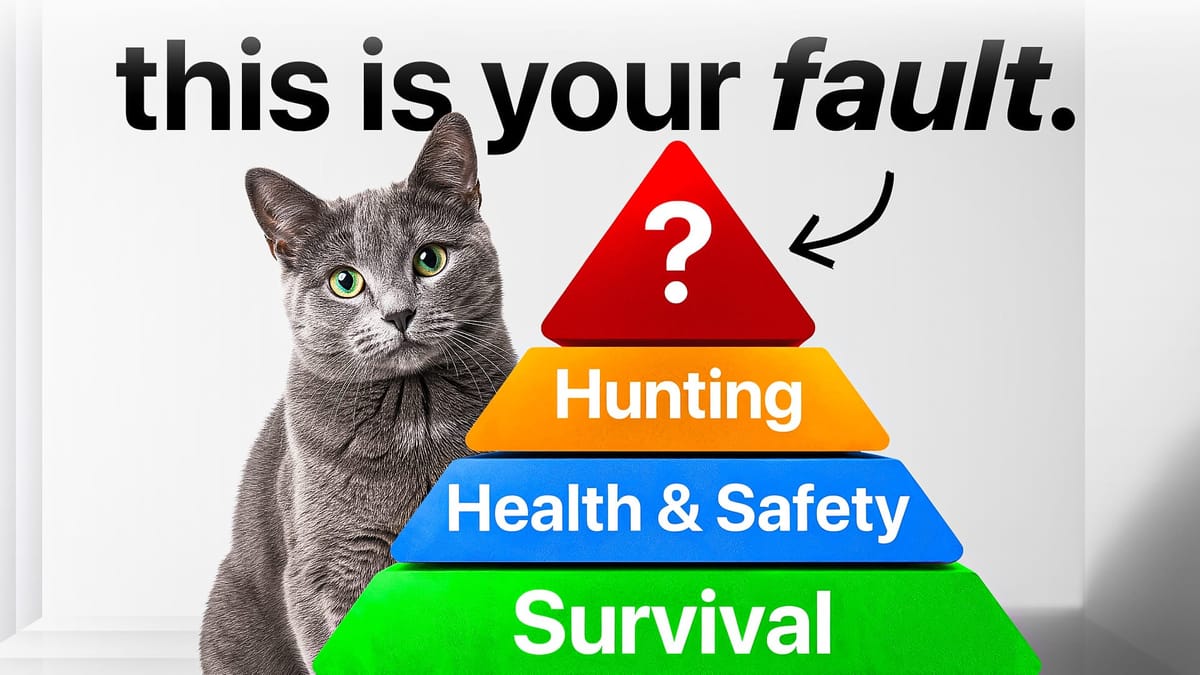
Respecting autonomy matters enormously. Cats aren't pack animals evolved to defer to leaders. They're solitary hunters who choose their associations. Treating a cat like a furry human or a small dog ignores their fundamental nature and strains the relationship.
Understanding Cat Attachment Behaviors
Certain behaviors reveal the depth of your cat's attachment even when they're not actively seeking affection. These passive indicators often go unnoticed but represent significant emotional investment.
Sleeping with you is the ultimate trust indicator. Sleep represents maximum vulnerability for a predator species. A cat who chooses to sleep on your bed—or better, touching you—has assessed you as safe enough to completely lower their guard.
 Adam Gill
Following you room to room, waiting outside bathroom doors, and positioning themselves where they can see you all indicate attachment. Your cat isn't being clingy or weird—they're maintaining social bonds in the way cats naturally do.
Even the unnerving behavior of staring at you has affectionate roots. Cats study their important people, monitoring for cues about routine, mood, and activity. When your cat watches you, they're engaged with you as a significant figure in their world.
 Adam Gill
The Mutual Relationship
Cat bonding isn't one-directional. Research shows that the human-cat bond benefits both parties—lower blood pressure for owners, reduced stress behaviors for cats. The relationship, when working well, is genuinely symbiotic.
Building this bond takes time and patience. Cats who've had negative experiences with humans may need months to feel safe. But the investment pays off in a relationship unlike any other—one where affection is never performed for approval, only given when genuinely felt.
Your cat doesn't love you because they have to. They love you because they've chosen to.
Frequently Asked Questions
Do cats recognize their owners?
Yes, cats recognize their owners through multiple senses—primarily scent and voice, but also visual cues like body shape and movement patterns. Studies show cats can distinguish their owner's voice from strangers and remember familiar people for years.
Why is my cat obsessed with me?
Your cat's "obsession" is actually secure attachment—a sign of deep bonding. Cats who follow you constantly, vocalize when you leave, and seek constant contact have formed a strong emotional connection. This is normal and healthy feline affection.
How do you know if a cat likes you?
A cat who likes you will slow blink at you (the "cat kiss"), approach with tail up, rub against your legs, expose their belly, sleep near you, and bring you "gifts." Kneading on you and head bunting are strong indicators of affection and trust.
Do cats know we love them?
Cats recognize affection through consistent behavior rather than words. They understand love through feeding routines, gentle touch, slow blinking, and respecting their space. Your predictable care signals safety and affection in ways cats comprehend.
Do cats see humans as cats?
Research suggests cats may view humans as large, clumsy, non-threatening cats rather than a different species. They use the same social behaviors with us—rubbing, kneading, grooming—that they'd use with feline companions, treating us as fellow cats.
Explore More
Related Guides
 Adam Gill
 Adam Gill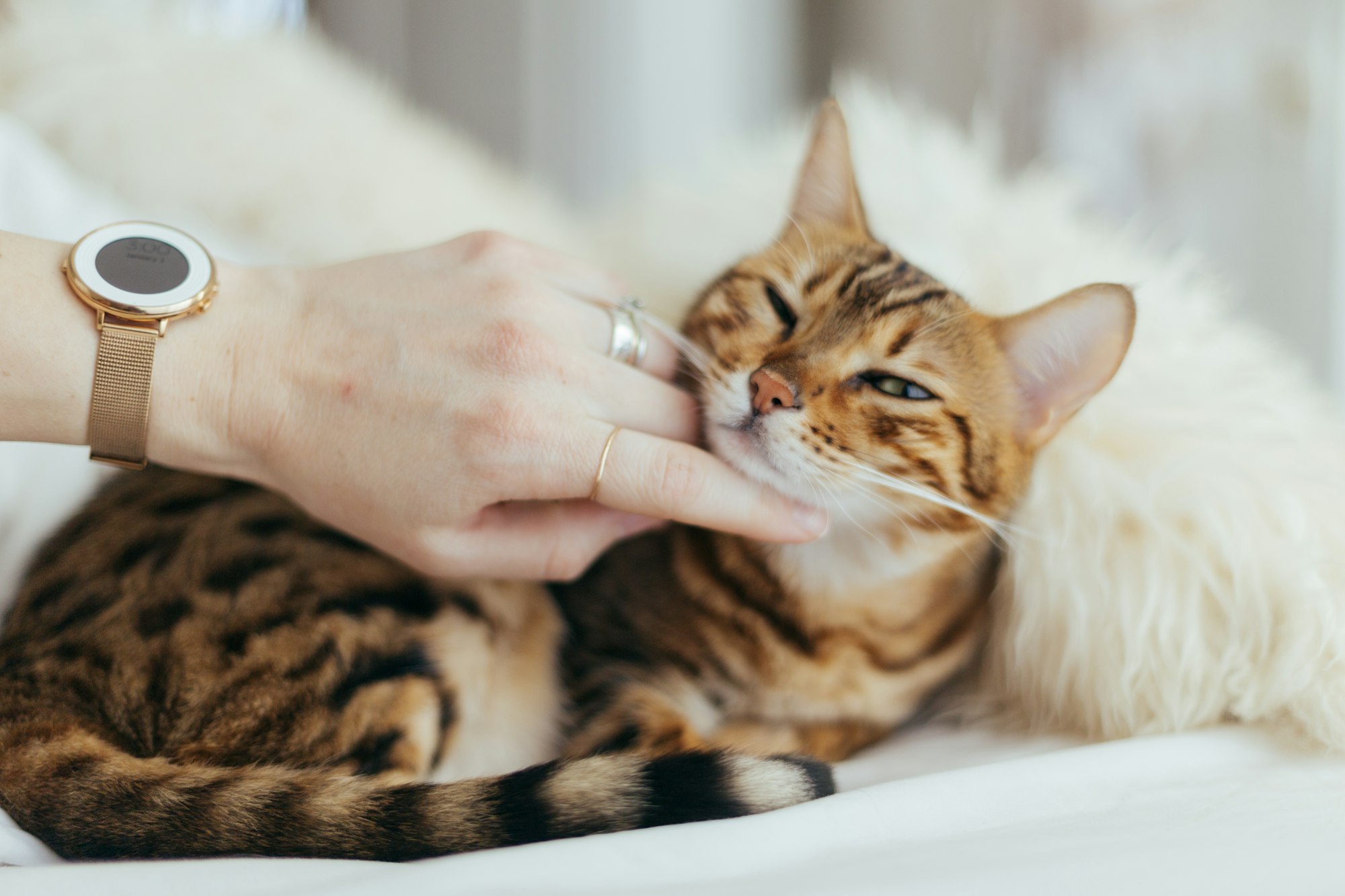
 Adam Gill
 Adam Gill
 Adam Gill
 Adam Gill
 Adam Gill