
Cat Communication: What Your Cat's Sounds Mean
Cats are constantly talking—we just need to learn their language. From the plaintive meow to the rumbling purr, every sound your cat makes carries meaning. Understanding these signals transforms your relationship from cohabitation to genuine communication.
What makes cat communication fascinating is that much of it evolved specifically for humans. Adult cats rarely meow at each other—that behavior is reserved almost exclusively for communicating with people. Your cat has essentially developed a private language just for you.
The Complete Vocabulary of Cat Sounds
Researchers have identified over 100 distinct vocalizations in domestic cats, far more than their wild ancestors use. This expanded repertoire developed through thousands of years of living alongside humans, as cats learned that certain sounds reliably produced certain responses.
The meow alone has dozens of variations—from the short chirp of greeting to the long, drawn-out demand for attention. Cats learn which specific meows work on their specific humans, essentially training us to respond.
 Adam Gill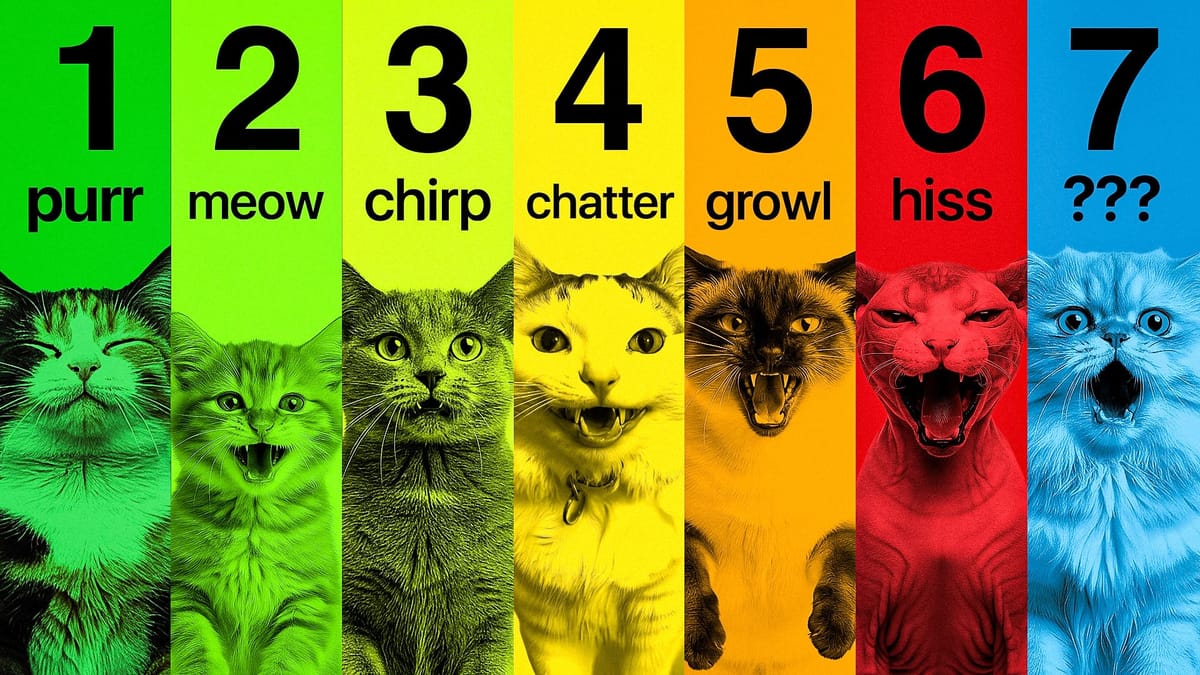
Beyond meowing, cats communicate through purring (not just contentment—also self-soothing and solicitation), chirping and chattering (usually at prey), hissing and growling (defensive warnings), and the distinctive trill that mother cats use with kittens—and cats use with favored humans.
What Your Cat's Sounds Really Mean
Context matters enormously in cat communication. The same meow can mean completely different things depending on the situation. A meow at the empty food bowl means something different than a meow at the closed door, which differs from the meow when you arrive home.
Purring is perhaps the most misunderstood cat sound. While it often indicates contentment, cats also purr when injured, sick, or stressed—it's a self-soothing mechanism with documented healing properties. A purring cat isn't necessarily a happy cat.
The solicitation purr—a specific variation that includes a cry-like frequency similar to a human baby's wail—is particularly manipulative. Cats have learned to embed this frequency because humans find it almost impossible to ignore.
Body Language Completes the Message
Cat sounds never happen in isolation. To truly understand what your cat is saying, you must read the accompanying body language. Ears, tail, posture, and eyes all contribute to the full message.
A meowing cat with forward ears and an upright tail is genuinely greeting you. The same meow with flattened ears and a twitching tail indicates frustration. Without the body language context, you're only hearing half the conversation.
 Adam Gill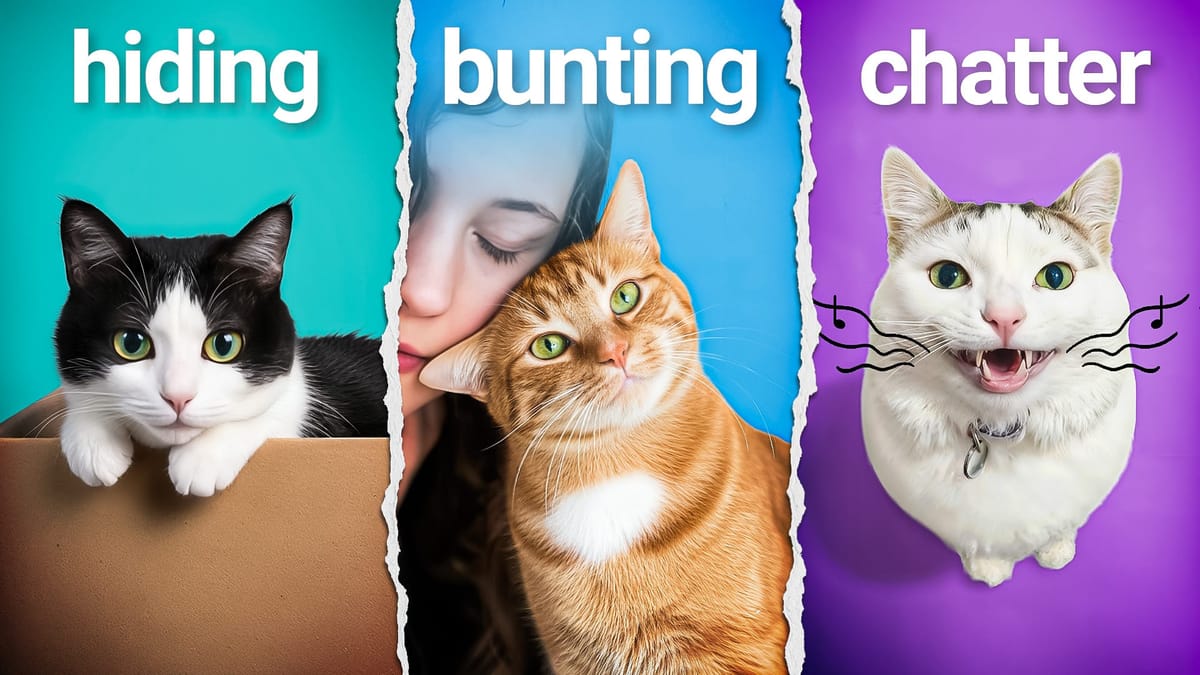
Whisker position provides another reliable indicator. Forward whiskers signal interest and engagement. Whiskers pulled back against the face indicate fear or aggression. Relaxed whiskers pointing slightly outward mean your cat is calm and comfortable.
The Stare: What Your Cat Is Really Saying
When your cat fixes you with an unblinking gaze, they're communicating—but the message depends entirely on context. A relaxed stare with slow blinks signals affection and trust. An intense, unbroken stare with dilated pupils might indicate predatory focus or demand for attention.
Cats stare at their important people to monitor routines, anticipate behavior, and maintain social connection. Understanding the different types of cat stares helps you respond appropriately to what your cat is actually asking.
 Adam Gill
Do Cats Apologize?
Cats don't experience guilt the way humans do—but they do engage in reconciliation behaviors after conflict. What looks like an "apology" is actually a sophisticated social repair mechanism designed to restore relationship stability.
After a negative interaction, cats may approach slowly, offer head bunts, or initiate grooming. These aren't admissions of wrongdoing; they're signals that the cat wants to return to normal social relations. Understanding this distinction helps you respond to post-conflict behavior appropriately.
 Adam Gill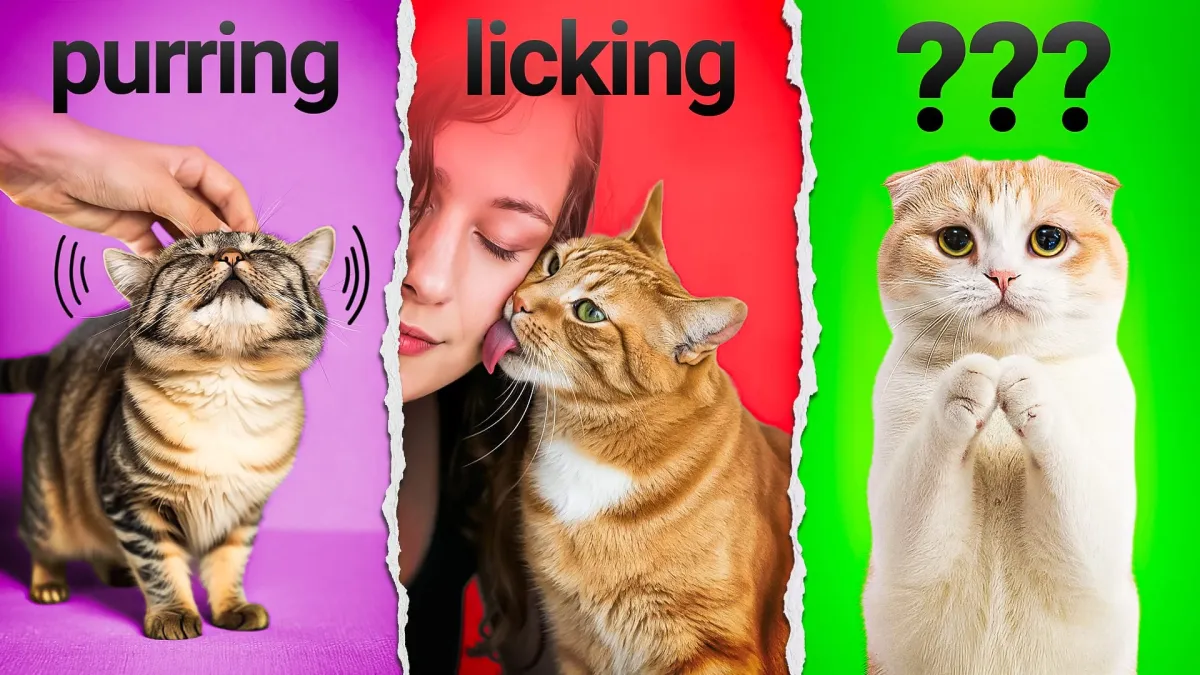
Learning Your Cat's Dialect
Every cat develops their own communication style—a personal dialect. What one cat means by a particular sound might differ from another cat's usage. The key is paying attention to patterns over time.
Keep mental notes of what your cat does before and after certain vocalizations. You'll start recognizing patterns: this particular meow always precedes running to the food area; that chirp happens when birds appear outside; this specific cry only occurs at 3 AM and means playtime.
Once you crack your individual cat's code, communication becomes genuinely two-way. You'll understand their requests, and they'll understand that you understand—which, research shows, strengthens the bond between you.
Frequently Asked Questions
Why doesn't my cat meow?
Some cats are naturally quiet, especially certain breeds like Russian Blues and Chartreux. A cat who suddenly stops meowing may have laryngitis, a throat obstruction, or respiratory infection. If the silence is new, consult a vet to rule out medical causes.
Why do kittens purr?
Kittens begin purring at about one week old—it helps them communicate with their mother. The vibration tells mom they're okay and helps her locate them. Adult cats retain this self-soothing mechanism, purring when content, stressed, or healing.
Why does my cat howl at night?
Nighttime howling often indicates mating behavior (especially in unspayed/unneutered cats), territorial announcements, cognitive decline in seniors, or distress. Medical causes like hyperthyroidism or pain can also trigger excessive nighttime vocalizations.
Why do cats purr when you pet them?
Petting triggers purring as a communication signal meaning "I'm content" and "please continue." The vibration at 25-150 Hz may also have healing properties. When a cat purrs while being petted, they're actively expressing pleasure and encouraging more contact.
Can excessive meowing indicate thyroid problems?
Excessive meowing, especially at night, can indicate hyperthyroidism in cats—a common condition in cats over 10 years old. Other symptoms include weight loss despite increased appetite, hyperactivity, and increased thirst. Consult a vet if your senior cat suddenly becomes more vocal.
Explore More
Related Guides
 Adam Gill
 Adam Gill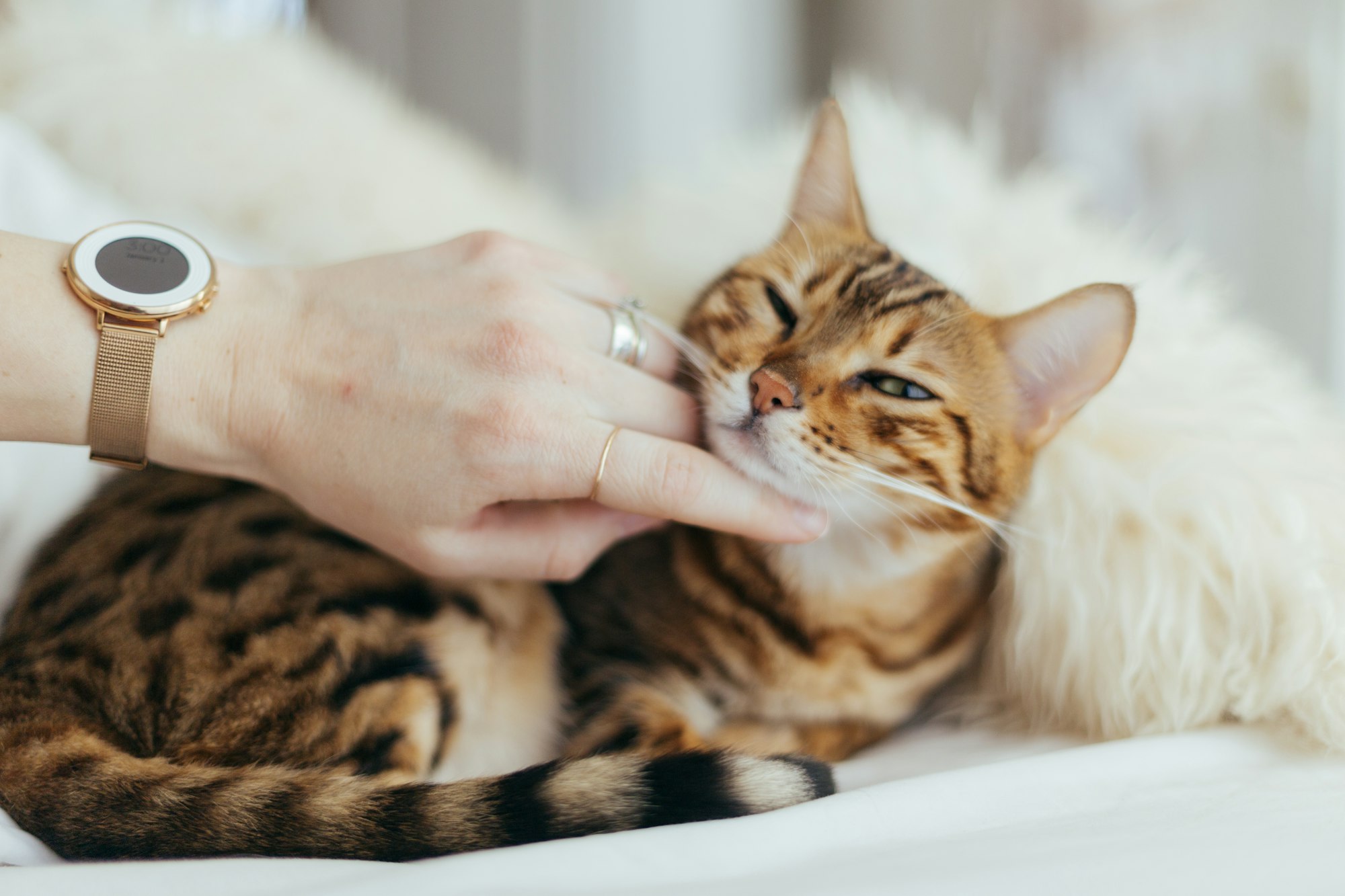
 Adam Gill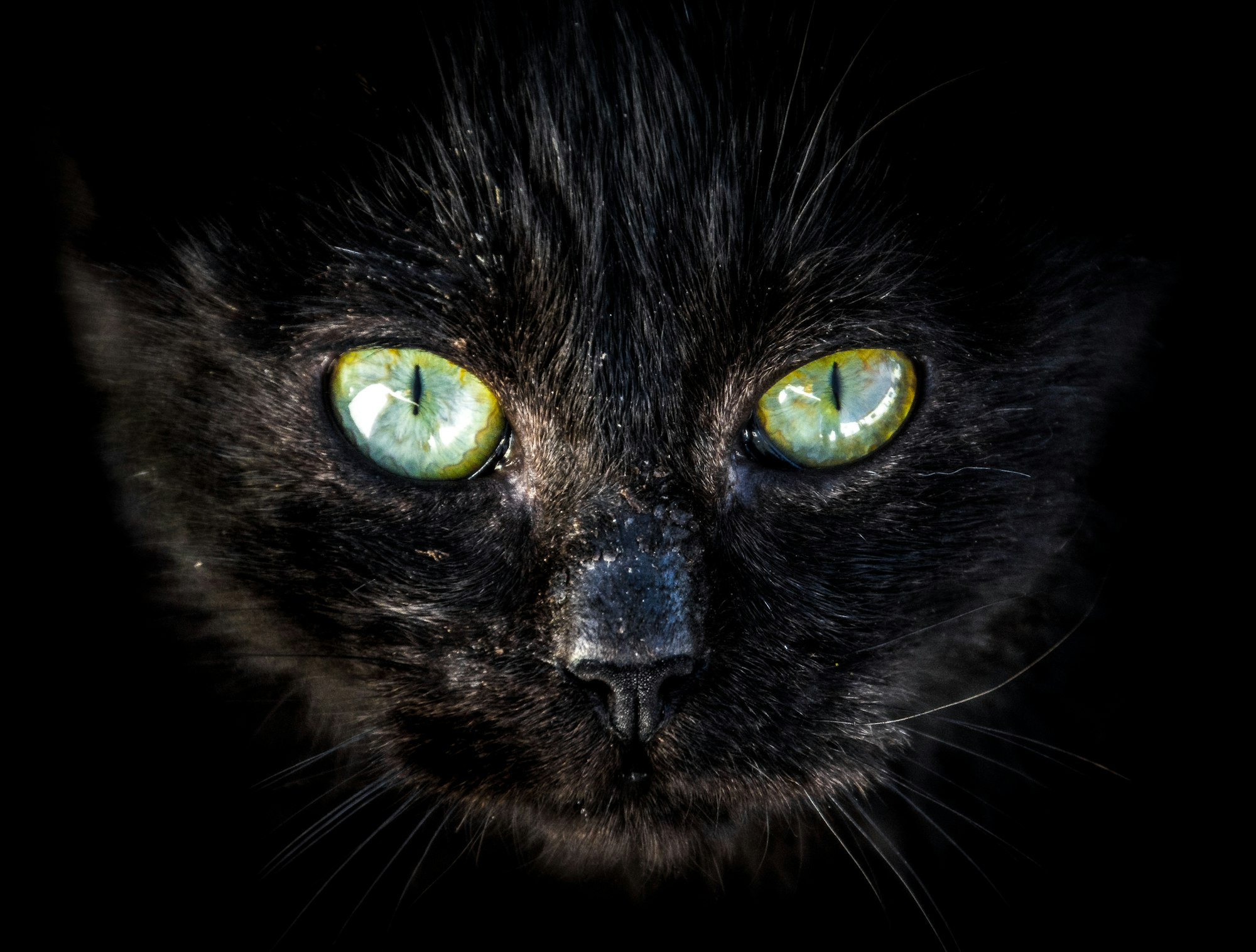
 Adam Gill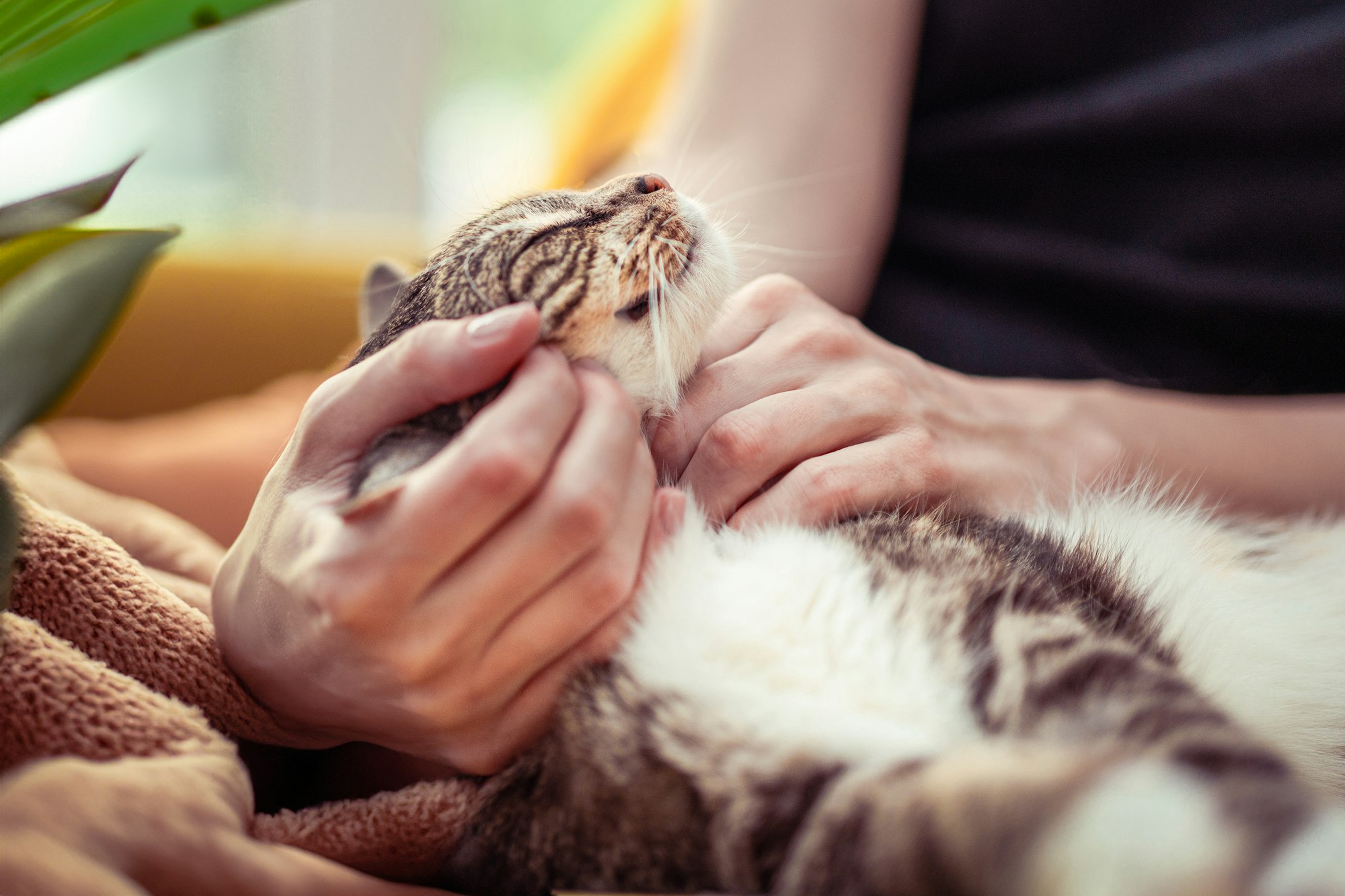
 Adam Gill
 Adam Gill
 Adam Gill