
Cat Stories: Famous Cats & Fascinating History
History is full of extraordinary cats—spies, astronauts, photographers' muses, and survivors against impossible odds. These aren't just entertaining tales; they're windows into how cats have shaped human history and how human history has shaped cats.
From secret government programs to viral internet moments, from scientific breakthroughs to inexplicable journeys, the stories collected here prove that cats have always been remarkable. Welcome to the archive of fascinating feline history.
Cats in Space
The space race wasn't just about humans and monkeys. On October 18, 1963, a tuxedo cat named Félicette became the first feline to reach space—and the only cat to survive the journey.
French scientists selected Félicette from a group of 14 candidate cats, training her to withstand the confinement and g-forces of rocket travel. Her Véronique rocket launched from the Sahara Desert, reaching an altitude of 157 kilometers before parachuting safely back to Earth.
 Adam Gill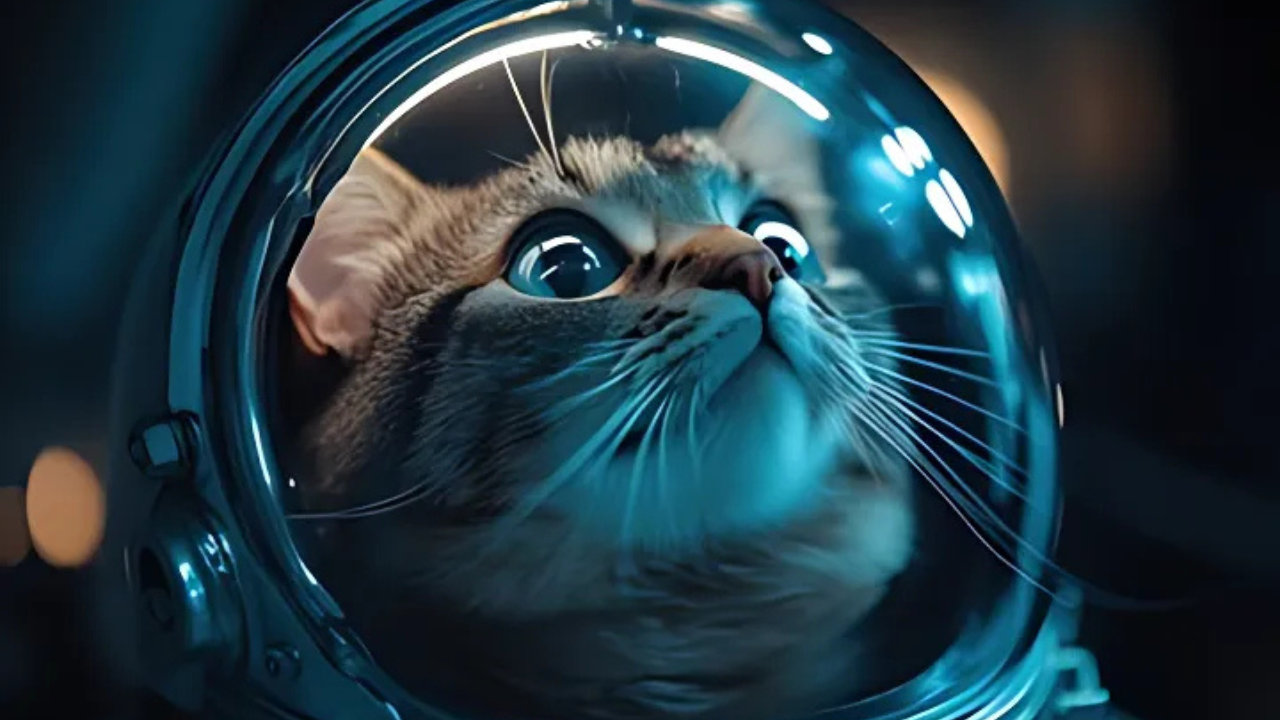
Félicette's electrodes transmitted neurological data throughout the 15-minute flight, contributing to our understanding of how living beings respond to spaceflight. Yet for decades, she received no recognition—often misattributed to a male cat named "Félix." In 2019, a bronze statue finally honored her contribution to space science.
Cats as Spies
The CIA's Operation Acoustic Kitty represents one of the strangest—and most expensive—failures in espionage history. In the 1960s, at the height of Cold War paranoia, American intelligence officers decided that cats could be trained as surveillance devices.
The plan: surgically implant a microphone in a cat's ear canal, a radio transmitter at the base of its skull, and an antenna woven into its fur. The cat would then be deployed to eavesdrop on Soviet conversations in parks and embassy grounds.
 Adam Gill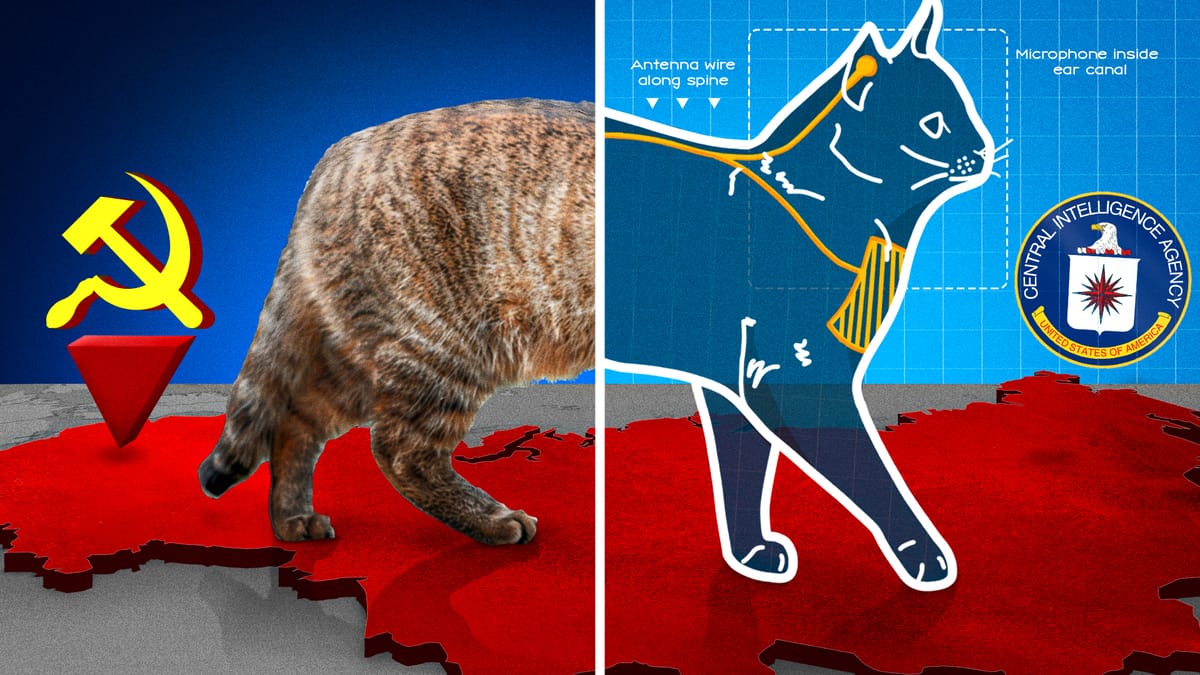
After five years and approximately $20 million in development, the first acoustic kitty was released near a Soviet compound in Washington. According to declassified documents, the cat was immediately hit by a taxi. The program was abandoned, though the CIA later claimed the taxi story was apocryphal. Either way, cats proved unsuitable as intelligence assets—they simply wouldn't follow orders.
Cats and the Camera
Before the internet made cat photos ubiquitous, one photographer revolutionized how we see cats—and essentially invented the modern language of pet photography.
Walter Chandoha, an American photographer, dedicated 70 years to capturing cats. Starting with a stray kitten named Loco in 1949, he built an archive of over 90,000 feline images that appeared on 300+ magazine covers including Life, Look, and National Geographic.
 Adam Gill
Chandoha's techniques—rim lighting, eye-level angles, and capturing peak expressions—established the template that every cat photographer, YouTuber, and Instagram account has followed since. His work dominated pet food packaging throughout the 1960s and 1970s. The "Godfather of Cat Photography" didn't just document cats; he created the visual vocabulary for how we see them.
Cats Against the Odds
Some cat stories defy explanation. The tales of survival, endurance, and apparent navigation abilities that seem to exceed scientific understanding.
In 2024, a Pallas's cat was photographed at over 5,000 meters on Mount Everest—the highest confirmed sighting of any wild cat. These stocky felines from Central Asian steppes aren't climbers by nature, raising questions about what drove this individual so far above its typical habitat.
 Adam Gill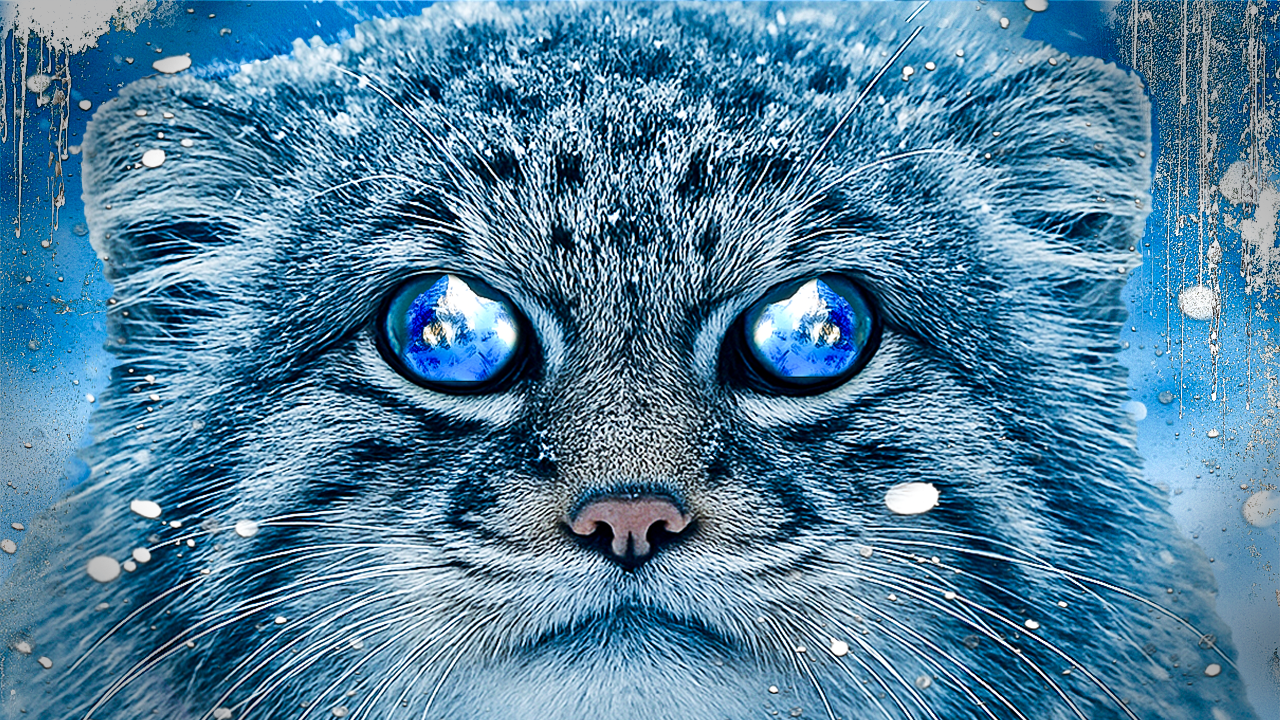
Other survival stories strain credulity. Cats have survived being mailed across the country, trapped in shipping containers for weeks, and lost for years before returning home. While some can be explained through exceptional resilience, others suggest navigational abilities we don't fully understand.
 Adam Gill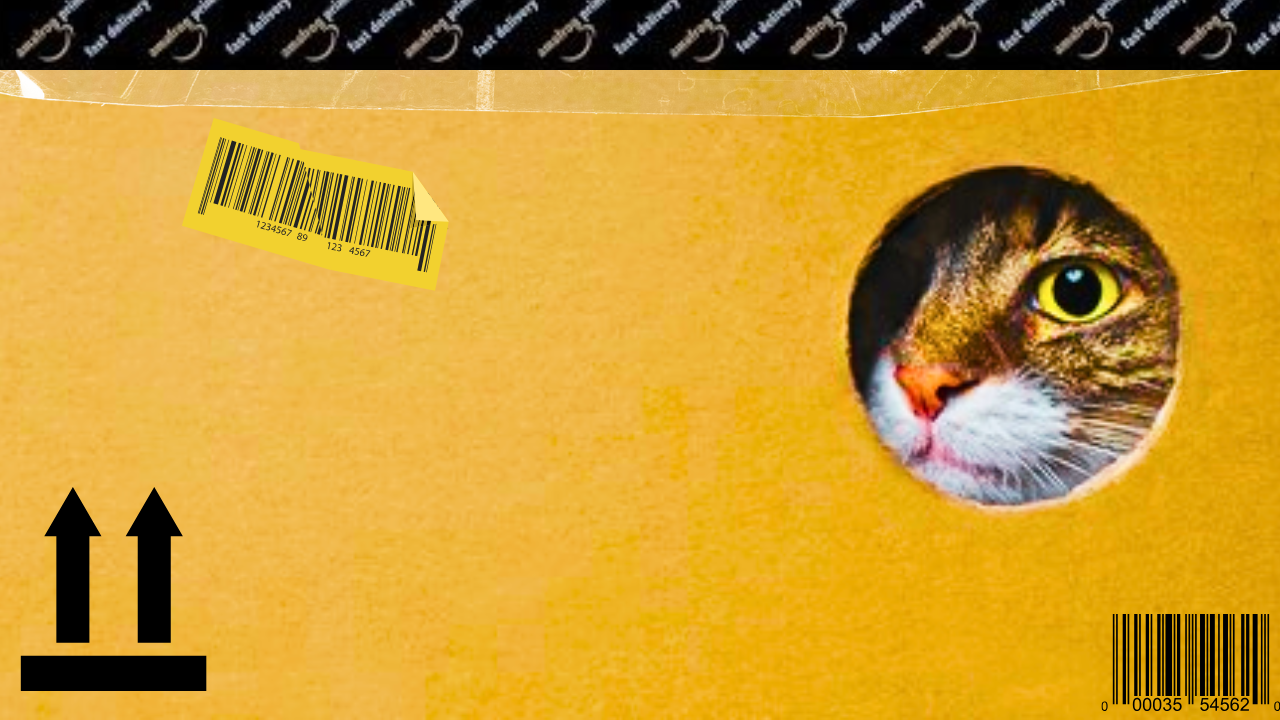
These stories remind us that despite thousands of years of cohabitation, cats retain capabilities that exceed our understanding. They're not fully domesticated in the way dogs are—part of them remains wild, unpredictable, and capable of things we can't anticipate.
Why Cat Stories Matter
Collecting cat stories isn't just entertainment. These narratives reveal something about the cat-human relationship that statistics can't capture.
We've lived alongside cats for roughly 10,000 years—long enough for them to develop specialized vocalizations just for us, short enough that their wild instincts remain intact. Every cat story, whether it's a space mission or a viral video, reflects this tension between domestication and independence.
Cats became internet icons not by accident but because they perfectly embody something humans find compelling: creatures that consent to our company without depending on our approval. Every remarkable cat story is, in some way, a story about that unusual relationship.
Frequently Asked Questions
Who was the first cat in space?
Félicette, a Parisian stray, became the first cat in space on October 18, 1963. French scientists launched her 157 km above Earth on a Véronique rocket. She survived the 15-minute flight and transmitted valuable neurological data before safely parachuting down.
Did the CIA really use cats as spies?
Yes. Operation Acoustic Kitty (1960s) implanted a microphone, antenna, and battery in a cat to eavesdrop on Soviet conversations. The $20 million project failed when the cat was allegedly hit by a taxi on its first mission. The CIA declassified the program in 2001.
What are some famous cats in history?
Notable cats include Félicette (space), Unsinkable Sam (survived 3 WWII ship sinkings), Dewey Readmore Books (library cat), Tardar Sauce/Grumpy Cat (internet fame), and Trim (circumnavigated Australia with Matthew Flinders in 1801).
Where did domestic cats come from?
All domestic cats descend from Felis silvestris lybica, the African wildcat. Cats self-domesticated around 10,000 years ago in the Near East, drawn to rodents in early agricultural settlements. Unlike dogs, cats domesticated themselves.
What are some interesting facts about cats?
Cats spend 70% of life sleeping, can rotate ears 180 degrees, have 230 bones (humans have 206), can't taste sweetness, and have unique nose prints like human fingerprints. A group of cats is called a "clowder."
Explore More
Related Guides
 Adam Gill
 Adam Gill
 Adam Gill
 Adam Gill
 Adam Gill
 Adam Gill
 Adam Gill