
Complete Cat Science Guides: Behavior, Care & Intelligence
Your complete library of cat science guides. From understanding cat behavior and communication to care and bonding, explore everything about feline intelligence through evidence-based research.

 Adam Gill
Why Cats Do What They Do
Every cat behavior has a reason—even the weird ones. The loafing, the kneading, the sudden zoomies at 3 AM, the inexplicable fear of cucumbers. These aren't random quirks; they're inherited from thousands of years of evolution as solitary hunters.
Understanding cat behavior means learning to read their body language and decode their instincts. What looks like misbehavior is often a cat doing exactly what their brain is wired to do.
What you'll learn:
- Why cats knead blankets (and your lap)
- The real reason behind the 3 AM zoomies
- What your cat's tail, ears, and posture are telling you
 Adam Gill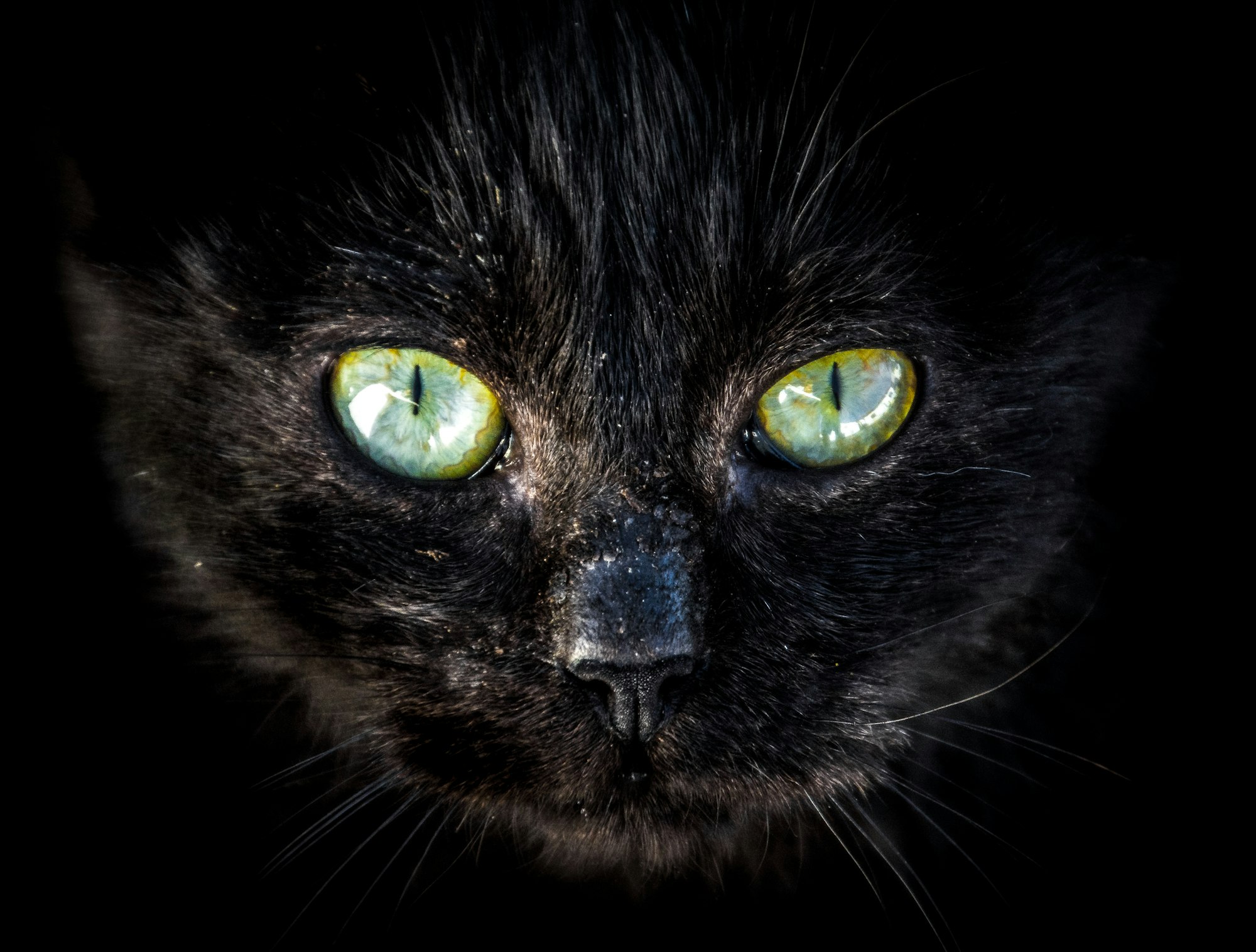
How Cats Experience the World
Cats live in a different sensory reality. They see ultraviolet light invisible to humans, hear frequencies two octaves beyond our range, and navigate near-darkness as if it were dusk. Their whiskers detect air currents too subtle for us to feel.
The world your cat perceives is richer and stranger than you might imagine—and understanding it changes how you interpret their behavior.
What you'll learn:
- What colors cats actually see (and which they can't)
- How cat night vision really works
- Why cats sometimes stare at "nothing"
 Adam Gill
What Cats Are Really Saying
Wild cats are nearly silent. The meow? Cats invented it specifically to communicate with humans. Every chirp, trill, and yowl in your cat's vocabulary was developed to get your attention—and it works.
Cat communication extends far beyond vocalizations. Tail position, ear angle, slow blinks, and subtle body shifts all carry meaning. Your cat is always talking; you just need to learn the language.
What you'll learn:
- Why adult cats only meow at humans
- What different meow sounds actually mean
- How to decode cat body language signals
 Adam Gill
How Smart Cats Really Are
The question isn't whether cats are smart—it's what kind of smart. Cats evolved for independent problem-solving, not pack cooperation. They remember locations for 16+ hours, learn by observation, and navigate complex environments without looking to others for guidance.
Dog intelligence is social; cat intelligence is solitary. Different evolutionary pressures, different cognitive strengths.
What you'll learn:
- How cat memory compares to dogs
- Whether cats actually recognize their owners
- What cognitive abilities cats possess
 Adam Gill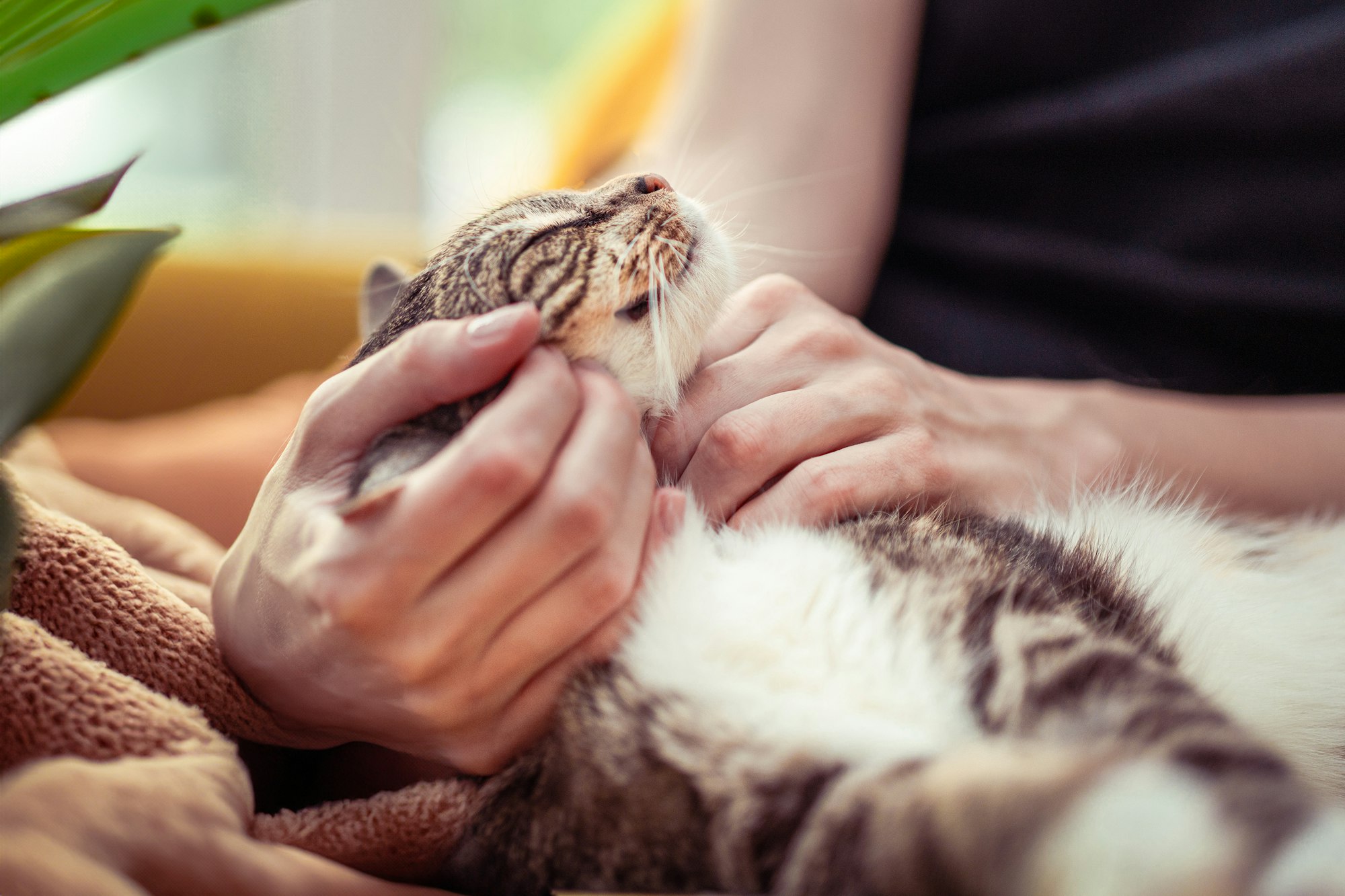
Do Cats Actually Love You?
The "aloof cat" is a myth that science has debunked. Research shows 65% of cats form secure attachment bonds to their owners—similar to the bonds dogs and human infants form with caregivers. Cats just express affection differently.
The slow blink, the head bunt, sleeping in contact, bringing you "gifts"—these are genuine love signals. Your cat isn't indifferent; they're just selective about showing it.
What you'll learn:
- Scientific proof that cats form attachments
- How to tell if your cat loves you
- Why some cats seem more affectionate than others
 Adam Gill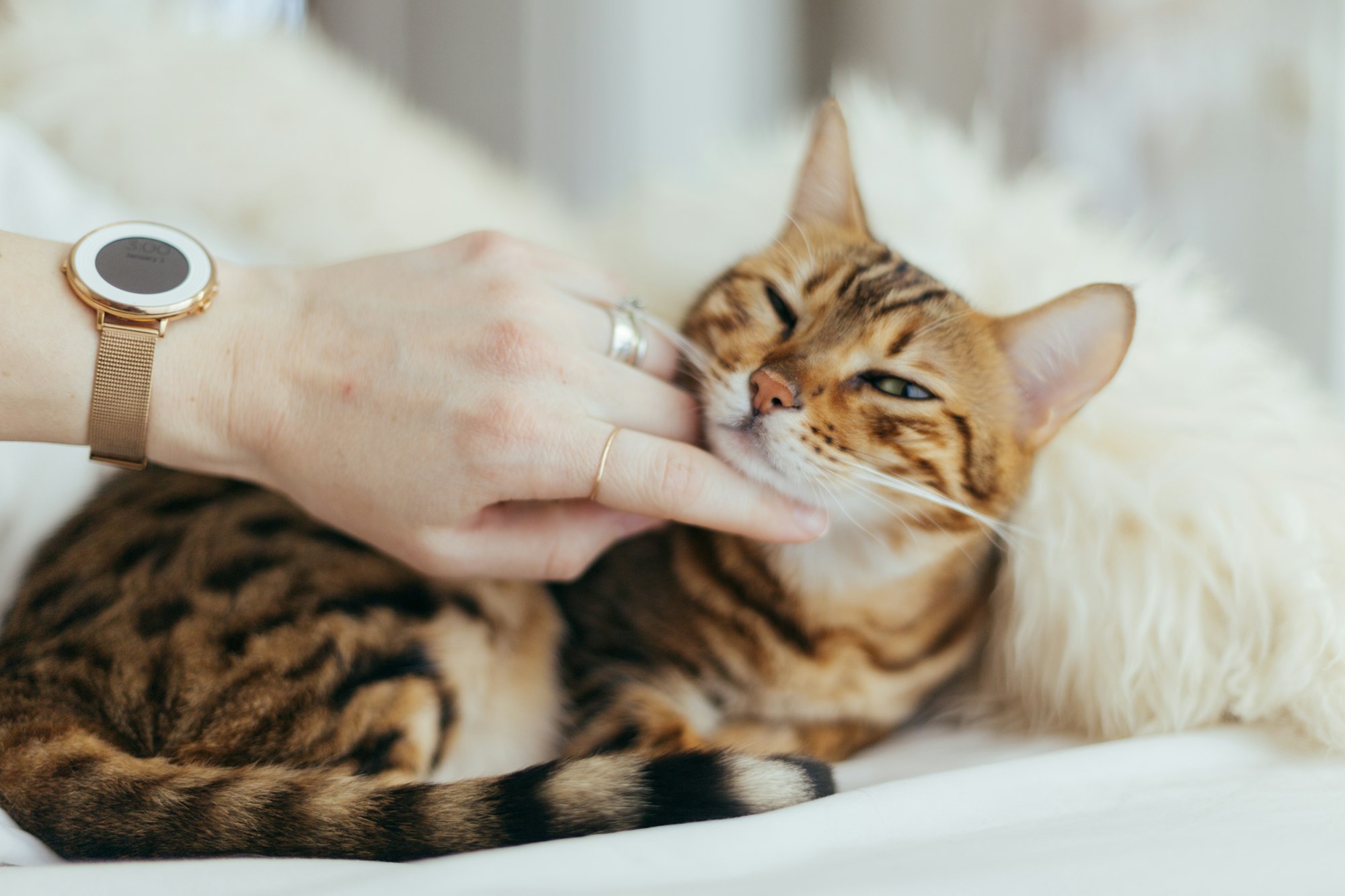
Caring for a Cognitive Animal
Intelligent animals need more than food and shelter—they need mental stimulation. Understanding cat cognition transforms how we approach enrichment, nutrition, and health at every life stage.
A bored cat isn't a lazy cat; it's an understimulated mind looking for occupation. Caring well for a cat means caring for their brain, not just their body.
What you'll learn:
- How to prevent boredom-related behavior problems
- Enrichment strategies that exercise the feline brain
- Evidence-based health and nutrition guidance
 Adam Gill
Remarkable Cats Throughout History
From Félicette (first cat in space) to the CIA's $20 million spy cat program, history is full of extraordinary feline achievements. These stories prove what careful observers have always known: cats are remarkable.
Science is finally catching up to what cat people have understood for millennia.
What you'll learn:
- The first cat in space (and how she was chosen)
- The CIA's bizarre Operation Acoustic Kitty
- Famous cats who changed history
Frequently Asked Questions
Why does my cat knead blankets?
Kneading is a comfort behavior inherited from kittenhood. Kittens knead their mother's belly to stimulate milk flow. Adult cats retain this behavior because it triggers the same calming neurochemistry—it literally makes them feel safe and content. If your cat kneads on you, they're expressing trust and comfort.
Can cats see in complete darkness?
No—no animal can see in total darkness. But cats see clearly in light levels 6-8 times dimmer than humans can perceive. Their tapetum lucidum reflects light back through the retina, and their large pupils gather maximum available light. What we perceive as near-darkness, cats see as functional dusk.
Why does my cat meow at me but not other cats?
Adult cats developed meowing specifically to communicate with humans. In the wild, cats are nearly silent after kittenhood—feral cats rarely meow at each other. Your cat's meow is a learned behavior; they discovered it gets your attention and refined it over time to manipulate you more effectively.
Are cats smarter than dogs?
Different, not lesser. Cats excel at independent problem-solving and spatial memory; dogs excel at social cognition and reading human cues. Cats have 250 million cortical neurons (dogs: 530 million) and longer working memory—but they evolved for solitary hunting, not pack cooperation. Each species optimized for different challenges.
Does my cat actually love me?
Science says yes. A 2019 study found 65% of cats form secure attachment bonds to their owners, similar to the bonds dogs and human infants form with caregivers. Slow blinks, head bunts, and sleeping in contact are genuine affection signals—cats just express love on their own terms, not on command.
How do I keep my indoor cat mentally stimulated?
Puzzle feeders, rotating toys, vertical climbing spaces, and window views all exercise feline cognition. Cats need novelty—the same toys become boring. Training sessions (yes, cats can be trained) build cognitive capacity while strengthening your bond. A stimulated cat is a well-behaved cat.
Was there really a cat in space?
Yes. Félicette, a Parisian stray, became the first cat in space on October 18, 1963. French scientists selected her for her calm temperament and adaptability, launched her 157 km above Earth on a Véronique rocket, and recovered her safely. She transmitted valuable neurological data during the 15-minute flight.
Explore Our Complete Guide Library
 Adam Gill
 Adam Gill
 Adam Gill
 Adam Gill
 Adam Gill
 Adam Gill
 Adam Gill
Related Resources
 Adam Gill
 Adam Gill