
Cat Care Guide: Health, Nutrition & Wellness Tips
Cats age differently than humans—and differently at different stages of their lives. A one-year-old cat isn't the equivalent of a seven-year-old human (that old formula is wrong). Understanding the true pace of feline aging transforms how you care for your cat.
The first year of a cat's life equals roughly 15 human years. The second year adds another 9. After that, each cat year equals approximately 4 human years. This means your 10-year-old cat is roughly equivalent to a 56-year-old human—solidly middle-aged, not elderly.
 Adam Gill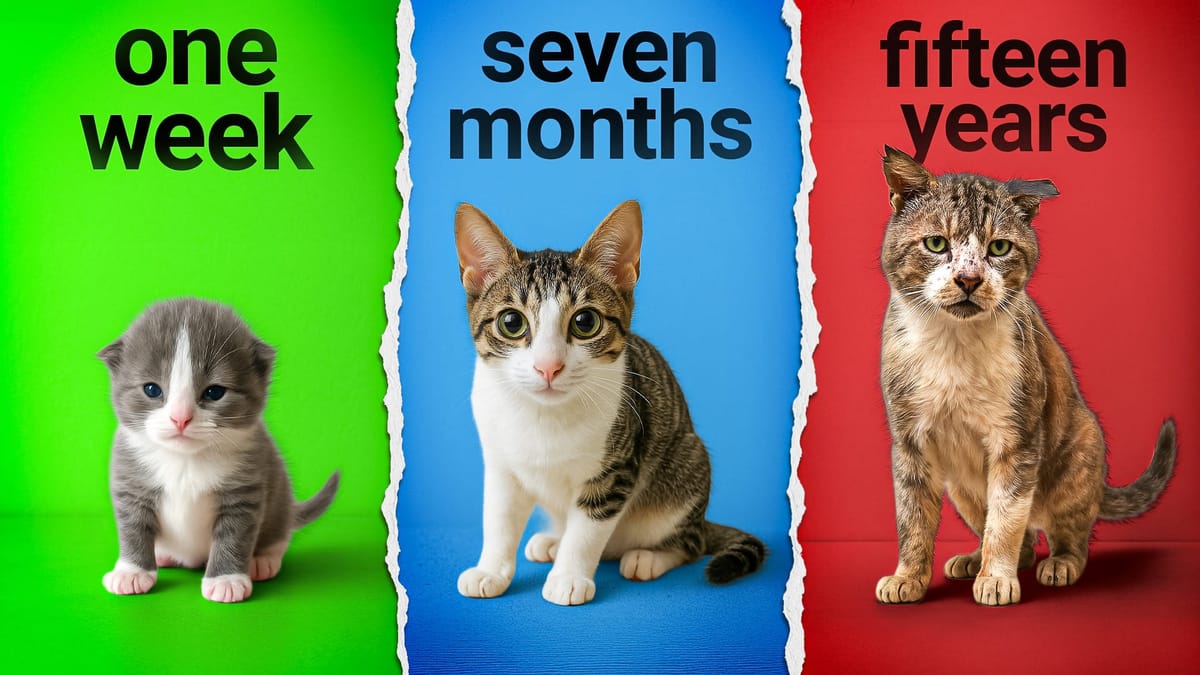
Veterinary organizations recognize six distinct life stages: kitten (0-6 months), junior (7 months-2 years), prime (3-6 years), mature (7-10 years), senior (11-14 years), and geriatric (15+ years). Each stage demands different nutrition, different exercise levels, and different veterinary attention.
The practical impact: a "senior" diet for a 7-year-old cat is probably unnecessary—they're still in their mature phase. But by 11, increased protein and joint support become genuinely important.
Common Mistakes Cat Owners Make
Most cat owners love their cats but inadvertently harm them through ignorance. The mistakes are predictable because they stem from the same misconceptions passed down through generations.
Free-feeding tops the list. Leaving food available 24/7 seems kind, but cats aren't designed to self-regulate when food is unlimited. In the wild, cats eat 8-12 small meals per day, burning calories between hunts. Unlimited kibble plus no hunting equals obesity—and 60% of domestic cats are now overweight.
 Adam Gill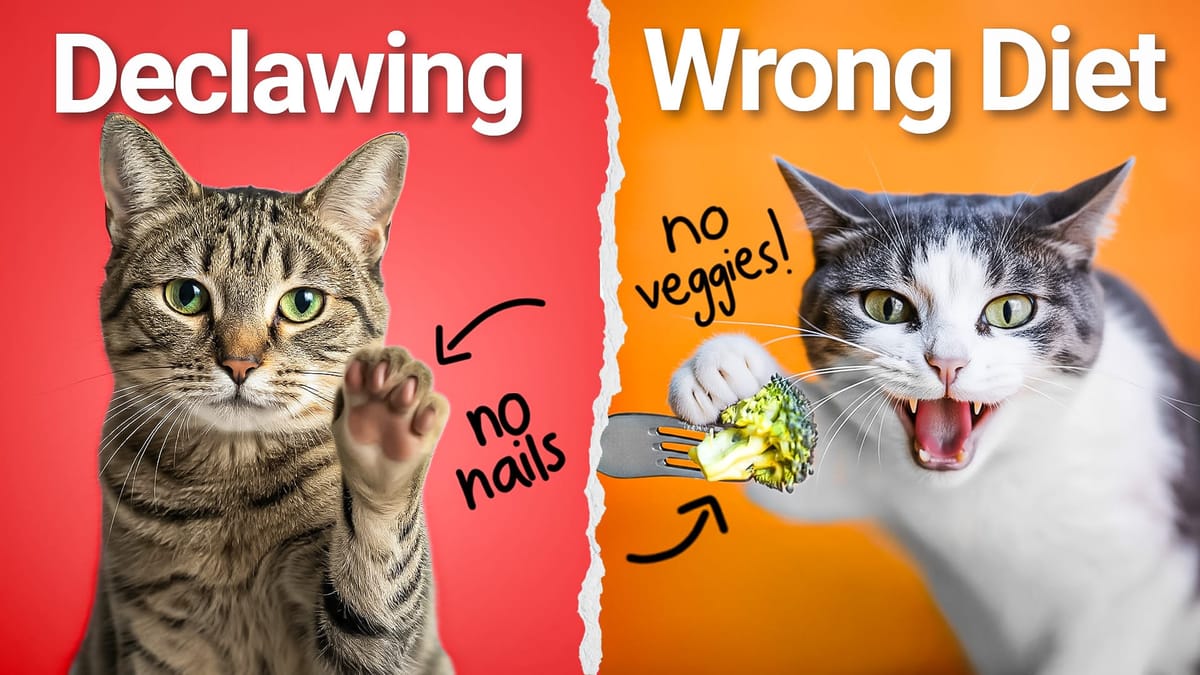
Water placement is another common failure. Cats instinctively avoid water near their food—in nature, a carcass near water means contamination. Yet most owners put water bowls right next to food bowls, then wonder why their cat doesn't drink enough.
Other frequent mistakes include skipping veterinary checkups (cats hide illness until it's advanced), using punishment (which damages trust without teaching), and assuming cats are "low maintenance" (they have complex social and environmental needs).
The Hidden Costs of Breeding
Humans created the cat breeds we know today—and some of those creations come with serious hidden costs. The same genetic selections that produce flat faces, folded ears, or specific coat patterns often carry health consequences that define a cat's entire life.
Scottish Folds, with their adorable drooping ears, carry a gene that causes cartilage defects throughout their bodies—not just in their ears. Many experience painful joint disease that worsens with age. Persians face chronic breathing difficulties due to their compressed skulls.
 Adam Gill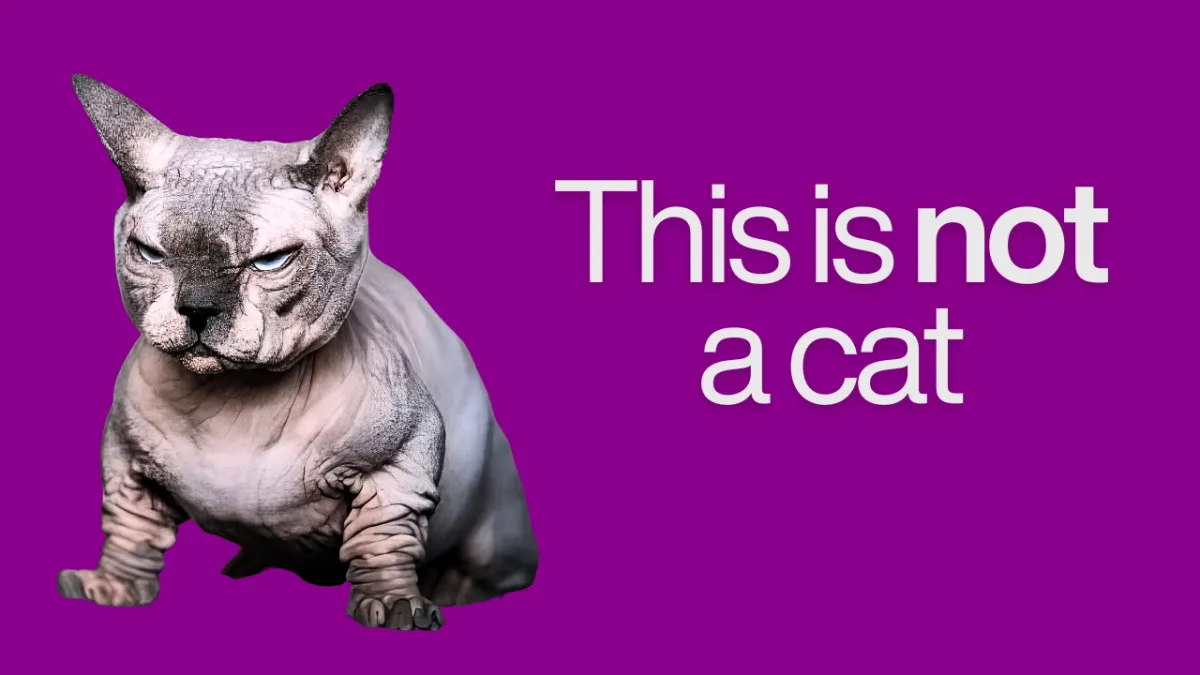
Responsible ownership means understanding what you're signing up for. A Persian isn't just a fluffy cat—it's a commitment to daily eye cleaning, potential dental problems, and likely respiratory issues. Mixed-breed cats from shelters typically live longer, healthier lives.
Genetics You Can See
Not all cat genetics involves health problems. Some of the most common questions cat owners ask—like "why is my orange cat male?"—have fascinating genetic answers that reveal how coat color inheritance actually works.
Orange cats are predominantly male (about 80%) because the orange color gene sits on the X chromosome. Males have one X, so they only need one copy of the orange gene. Females have two Xs, so they need two copies—which is statistically less likely.
 Adam Gill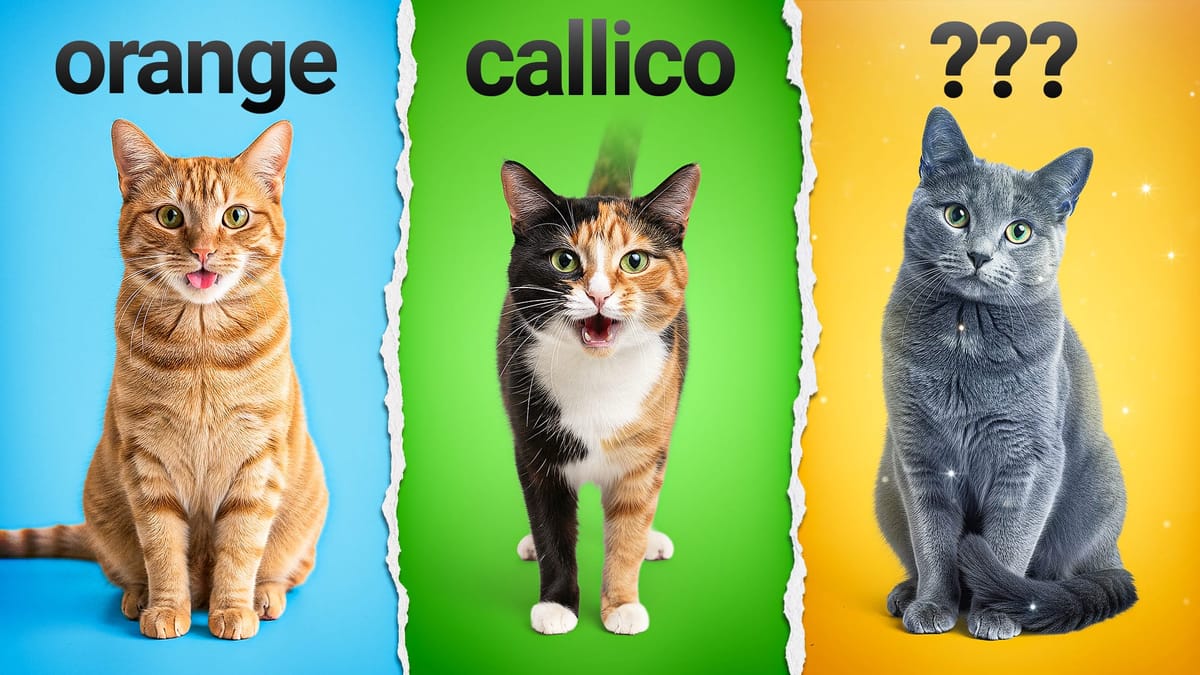
This same genetic mechanism explains why calico and tortoiseshell cats are almost exclusively female—those patterns require two different color genes on two X chromosomes. The rare male calico is typically sterile due to an extra chromosome (XXY).
Understanding genetics helps you predict health risks too. White cats with blue eyes have a 65-85% chance of deafness. Pointed cats (like Siamese) carry a temperature-sensitive gene that affects more than just color.
The Parasite Question
One of the most controversial topics in cat care involves Toxoplasma gondii—the parasite cats spread through their feces. The science is more nuanced than fear-mongering headlines suggest, but it's also more consequential than many cat owners realize.
Roughly one-third of humans worldwide carry T. gondii. The parasite typically causes no symptoms in healthy adults, but it's dangerous during pregnancy and for immunocompromised individuals. Recent research suggests it may have subtle effects on behavior and even attractiveness in carriers.
 Adam Gill
For cat owners, the practical advice is straightforward: pregnant women shouldn't clean litter boxes, boxes should be cleaned daily (the parasite needs 1-5 days to become infectious), and indoor cats fed commercial food pose minimal risk compared to outdoor hunters.
Building Your Cat's Best Life
Evidence-based cat care isn't about perfection—it's about understanding what actually matters. Feed appropriate portions on a schedule. Place water away from food. Provide vertical space and hiding spots. Visit the vet annually, twice yearly for seniors. Learn your specific cat's behavioral baselines so you'll notice when something changes.
Most importantly, remember that cats evolved as solitary hunters with complex cognitive and social needs. The idea that they're "independent" and require minimal attention is one of the most damaging myths in pet ownership. Cats need engagement, routine, and environments designed around their instincts.
Frequently Asked Questions
What are the 6 life stages of cats?
Cats progress through kitten (0-6 months), junior (7 months-2 years), prime (3-6 years), mature (7-10 years), senior (11-14 years), and geriatric (15+ years). Each stage has distinct nutritional, health, and behavioral needs requiring adjusted care approaches.
What mistakes do cat owners commonly make?
Common mistakes include free-feeding leading to obesity, insufficient water access, skipping veterinary checkups, inadequate play and enrichment, using punishment instead of positive reinforcement, and ignoring subtle signs of illness or stress.
How can I tell if my cat is stressed?
Stressed cats show hiding, decreased appetite, overgrooming, inappropriate elimination, aggression, excessive vocalization, and changes in sleep patterns. Physical signs include dilated pupils, flattened ears, and a tucked or puffed tail.
What do cats need at each life stage?
Kittens need high-protein food and socialization. Adults need portion control and enrichment. Seniors need joint support, dental care, and more frequent vet visits. Geriatric cats may need prescription diets and mobility accommodations.
When should I take my cat to the vet?
Annual checkups for adults, twice yearly for seniors. Urgent signs: difficulty breathing, not eating 24+ hours, straining to urinate, sudden paralysis, seizures, or major behavioral changes. Early intervention prevents serious complications.
Explore More
Related Guides
 Adam Gill
 Adam Gill
 Adam Gill
 Adam Gill
 Adam Gill
 Adam Gill
 Adam Gill