The Psychology of Cats: What Science Really Knows About Feline Minds
Cats self-domesticated 10,000 years ago and remain semi-wild today. Modern research reveals they prioritize territorial security over social bonds and communicate through 276 distinct facial expressions.

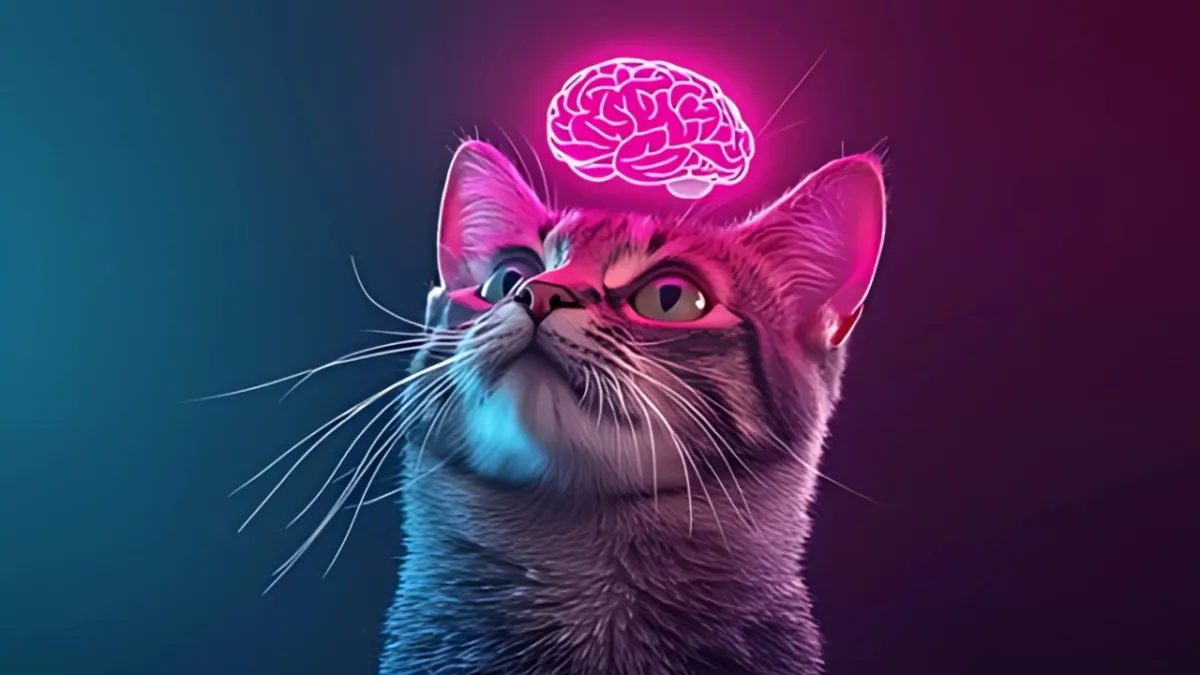
Quick Answer: What drives cat psychology?
Cats are territorial solitary hunters who self-domesticated 10,000 years ago. Unlike dogs bred for human purposes, cats retain 95% of their wild behavioral repertoire. Most behavioral problems stem from perceived threats to territorial security, not manipulation or spite.
Understanding your cat begins with understanding their evolutionary psychology. For over 25 years, Dr. Jon Bowen of the Royal Veterinary College has helped owners decode feline behavior through the lens of science. His message is clear: cats are not small dogs, and they are not furry humans.
This comprehensive guide translates cutting-edge feline psychology research into practical understanding, drawing from Dr. Bowen's clinical expertise and the latest peer-reviewed studies.
Table of Contents
- How Cats Domesticated Themselves
- Why Territorial Security Trumps Social Bonds
- The Solitary Hunter Paradox
- How Cats Communicate with 276 Facial Expressions
- Why Stress Causes Most Cat Problems
- What Semi-Domesticated Really Means
- Key Takeaways
- Key Terms Used
- Frequently Asked Questions
- Sources
How Cats Domesticated Themselves
Cats self-domesticated approximately 10,000 years ago in the Fertile Crescent, attracted by rodent prey near early agricultural grain stores, not by human selection or breeding programs. This fundamental difference from dog domestication explains why feline behavior remains remarkably unchanged from their wild ancestors.
The genetic evidence is clear. Research published in Nature Ecology & Evolution and confirmed by Dr. Leslie Lyons' genomic studies at the University of Missouri demonstrates that all 600 million domestic cats alive today descend from a single subspecies: Felis silvestris lybica, the African wildcat. These wildcats were not captured and tamed. They chose to live near humans because human settlements provided abundant prey.
The Evidence:
"Cats self-domesticated approximately 10,000 years ago in the Fertile Crescent, attracted to rodent prey in early agricultural settlements."
As Dr. John Bradshaw of the University of Bristol explains in his foundational work Cat Sense, this self-domestication created a unique evolutionary trajectory. While dogs were actively bred for specific human purposes over 15,000+ years, cats simply... moved in. The cats who tolerated human proximity survived better because they had access to more prey. Natural selection favored bold, human-tolerant individuals.
The result? Modern domestic cats retain approximately 95% of their wild behavioral repertoire. Your cat's hunting instincts, territorial drives, and communication methods are nearly identical to those of their wild ancestors roaming the savannas of North Africa ten millennia ago.
Adam's Lab Note:
When I watch Moon stalk a feather toy, I'm watching behavior that hasn't been updated in 10,000 years. His crouch-wiggle-pounce sequence is identical to wildcats hunting rodents in ancient granaries. The prey changed; the program didn't.
Why Territorial Security Trumps Social Bonds
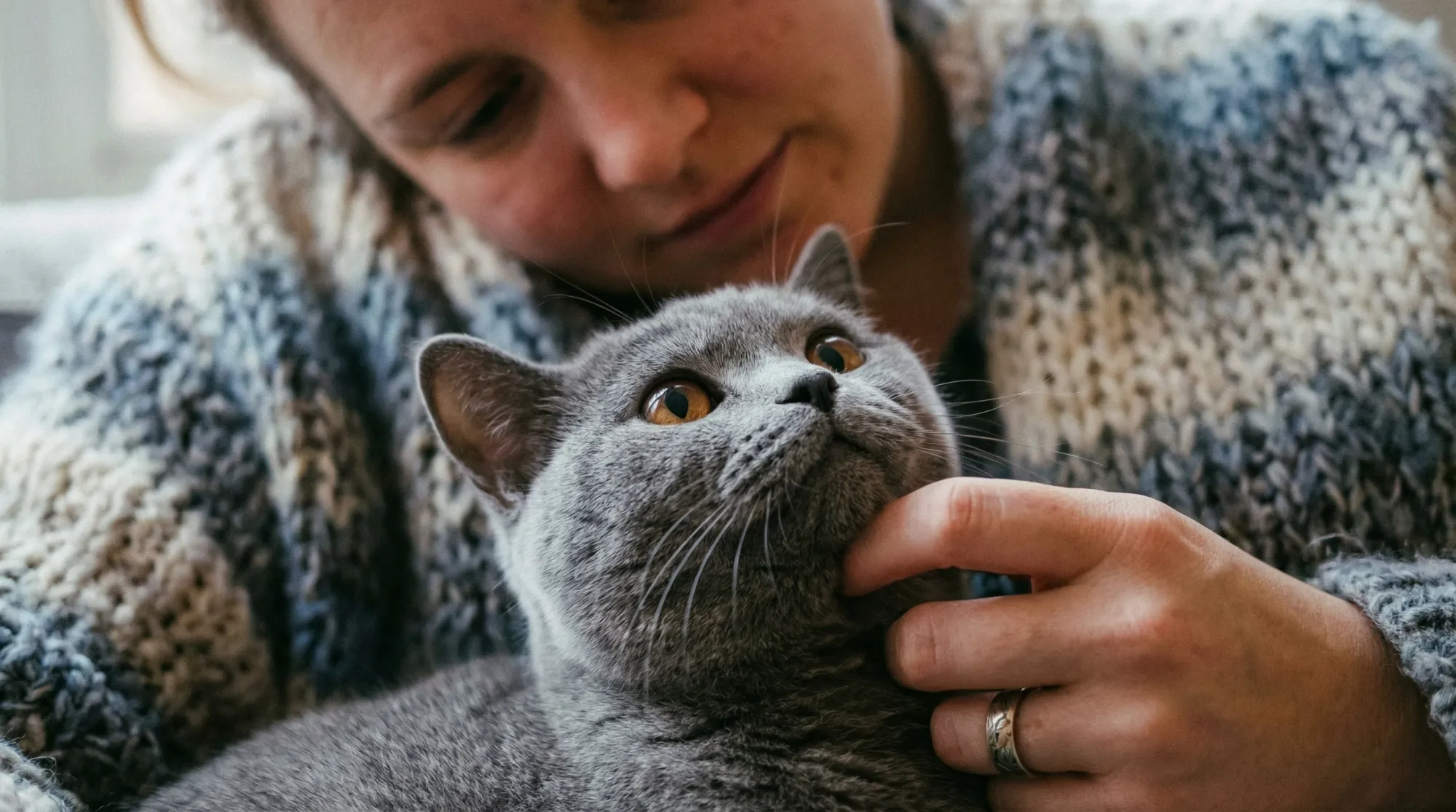
Cats prioritize territory over relationships because their evolutionary psychology is built around resource defense, not pack cooperation, explaining why environmental changes often trigger behavioral problems. This is perhaps the most important insight from modern feline psychology.
Dr. Bradshaw's research at the University of Bristol reveals a critical distinction: "Cats are descended from a solitary, territorial ancestor. Unlike dogs, cats place more reliance on the security of their territory than on psychological attachments to people or other cats."
This explains why cats react so strongly to environmental disruptions. A new piece of furniture, a visiting pet, or even rearranged food bowls can trigger stress responses. The cat isn't being dramatic. Their ancient programming interprets these changes as potential territorial threats.
| Territorial Behavior | Purpose | What It Looks Like |
|---|---|---|
| Cheek rubbing | Scent marking "safe zones" | Rubbing face on furniture, corners, you |
| Scratching | Visual + scent territory markers | Vertical scratches on doorframes, posts |
| Urine spraying | Broadcasting territorial ownership | Backing up to surfaces, tail quivering |
| Patrol routes | Monitoring boundaries | Predictable walking paths through home |
Outdoor free-ranging cats may maintain territories of 5-20 hectares (males) or 1-8 hectares (females), though territory size varies considerably based on resource availability and population density. Indoor cats compress these territorial instincts into your living room, which is why multi-cat households require careful resource distribution.
CatCog Reality Check:
What looks like "spite" or "manipulation" is almost always territorial anxiety. Your cat didn't urinate on your bed because they're angry you worked late. They're marking a high-value resource (your scent) because something made them feel insecure.
Understanding this territorial priority transforms how we interpret cat behavior. The solution to most behavioral problems isn't punishment. It's addressing the underlying threat to territorial security through environmental modification.
The Solitary Hunter Paradox
Cats are socially flexible animals who hunt alone because their typical prey is single-meal sized, not because they are fundamentally antisocial. This reframing, supported by decades of research from Dr. Sharon Crowell-Davis at the University of Georgia, resolves the apparent contradiction between cat sociability and independence.
The "cats are loners" myth persists because we observe hunting behavior. And cats are solitary hunters. But hunting behavior doesn't define social capacity.
Here's the evolutionary logic: A mouse feeds one cat. If cats hunted cooperatively like wolves, they would need to share prey too small to divide. Solitary hunting is simply more efficient for their ecological niche. This says nothing about their capacity for social relationships outside hunting contexts.
The Evidence:
"65% of domestic cats display secure attachment bonds to their owners, comparable to the 65% secure attachment rate observed in human infants."
Dr. Kristyn Vitale's landmark 2019 study at Oregon State University demonstrated this conclusively. Using the Strange Situation Test adapted from human attachment research, Vitale found that cats form attachment bonds remarkably similar to those seen in dogs and human infants. The majority of cats used their owners as a "secure base" during stress.
When resources permit, cats readily form social groups. Feral cat colonies organize into structured matrilineal societies with cooperative kitten care, shared territory defense, and complex social hierarchies. The cats in these colonies engage in allogrooming (mutual grooming) and allorubbing (scent-sharing) to maintain group cohesion.
Adam's Lab Note:
Moon is categorically a solo hunter when it comes to his toys. But socially? He waits by the door when I leave, greets me when I return, and specifically chooses to sleep on my pillow. He's not antisocial. He just doesn't need a team to catch a feather wand.
How Cats Communicate with 276 Facial Expressions
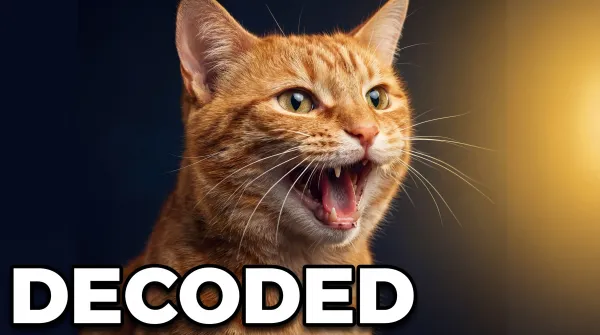
Cats produce 276 distinct facial expressions using 26 facial muscle movements, with 45.7% classified as friendly and 37% as unfriendly, according to groundbreaking 2023 research that overturns the "aloof cat" stereotype. This discovery by Scott and Florkiewicz at UC Davis revealed feline communication complexity that rivals primates.
The study analyzed 186 cats at a Los Angeles cat cafe, documenting the full range of facial signals cats use to communicate with each other. The remaining 17% of expressions were ambiguous, serving context-dependent functions.
| Communication Type | Key Signals | What It Means |
|---|---|---|
| Friendly | Slow blink, forward ears, relaxed whiskers | "I'm comfortable, no threat" |
| Unfriendly | Dilated pupils, flattened ears, bared teeth | "Back off or face consequences" |
| Solicitation purr | 380 Hz embedded cry | "Feed me" (mimics infant distress) |
| Tail-up greeting | Vertical tail, often curved tip | "I recognize you as non-threatening" |
The slow blink deserves special attention. Research by Dr. Tasmin Humphrey and Dr. Leanne Proops at the University of Sussex confirmed that slow blinks function as positive emotional signals. Cats are significantly more likely to approach humans who slow blink at them first. It's the feline equivalent of a smile.
The Evidence:
"Cat slow blinks function as positive emotional signals, with cats more likely to approach humans who have performed slow blink sequences."
Perhaps most fascinating is the solicitation purr. Dr. Karen McComb's 2009 research discovered that cats embed a high-frequency cry (around 380 Hz) within their purr when soliciting food. This frequency mimics the acoustic features of infant distress calls, hijacking human caregiving responses. Your cat has literally evolved to manipulate your parental instincts.
Meowing itself evolved specifically for human communication. Adult wildcats rarely meow to each other. Domestic cats retained this kitten vocalization through neoteny because it proved effective at soliciting human attention.
Why Stress Causes Most Cat Problems
Environmental stress is the root cause of most feline behavioral disorders, with hair cortisol measurements showing stressed cats have nearly double the cortisol concentrations of cats in enriched environments. This biochemical evidence validates what clinicians like Dr. Jon Bowen have observed for decades.
The mechanism works through the Hypothalamic-Pituitary-Adrenal (HPA) axis. When cats perceive threats to their territory or resources, the HPA axis activates, flooding the body with cortisol. Short-term, this is adaptive. Long-term, chronic cortisol elevation causes both behavioral problems and physical illness.
The Evidence:
"Environmental enrichment reduces hair cortisol concentrations in cats by approximately 50%, from 0.101 ng/mg to 0.059 ng/mg."
Dr. Tony Buffington at Ohio State University pioneered this understanding through his research on Pandora Syndrome (formerly Feline Interstitial Cystitis). His Indoor Pet Initiative established that environmental enrichment can reduce stress-related disease symptoms by 75-80%.
The solution? The Five Pillars framework, endorsed by the American Association of Feline Practitioners and International Society of Feline Medicine:
| Pillar | Implementation | Why It Works |
|---|---|---|
| Safe Place | Hiding spots, elevated perches | Enables escape from perceived threats |
| Multiple Resources | n+1 rule (cats + 1 extra) | Eliminates resource competition anxiety |
| Play & Predation | Daily hunting simulation | Satisfies hardwired predatory drive |
| Positive Human Contact | Consistent, predictable interaction | Builds secure attachment |
| Respect for Scent | Avoid over-cleaning, use pheromones | Maintains territorial scent security |
CatCog Reality Check:
Punishment does not work for cat behavioral problems. Cats do not connect delayed consequences to past actions. Punishment only increases stress, which worsens the very behaviors you're trying to eliminate. Environmental modification is the evidence-based approach.
The research from Dr. Lauren Finka at Nottingham Trent University adds another dimension: owner behavior matters. Studies show that owner neuroticism correlates with cat stress levels. Your emotional state affects your cat's wellbeing.
What Semi-Domesticated Really Means
Cats remain semi-domesticated because they could survive independently without humans, a capacity no truly domesticated species retains, and this explains their unique behavioral autonomy. The term isn't pejorative. It's descriptive of a genuine biological reality.
Consider the contrast with dogs. Dogs have been so thoroughly modified through 15,000+ years of selective breeding that most breeds cannot survive without human care. Bulldogs can't breathe properly. Dachshunds can't hunt effectively. Great Danes can't thermoregulate. These are human-created dependencies.
Cats have none of these modifications. Release a domestic cat into an environment with prey, and it will hunt. It will establish territory. It will reproduce. Feral cat populations worldwide demonstrate this capacity. Your cat's genome hasn't been rewritten for human purposes.
| Trait | Fully Domesticated (Dogs) | Semi-Domesticated (Cats) |
|---|---|---|
| Hunting ability | Mostly bred out | Fully intact |
| Human dependency | Cannot survive alone | Can revert to feral |
| Behavioral modification | Extensive (breeds for herding, guarding, etc.) | Minimal (tolerance for humans) |
| Neoteny | Extreme (perpetual puppyhood) | Moderate (retained meowing) |
| Response to commands | Bred for responsiveness | Retained autonomy |
This semi-domesticated status is why cat behavior can seem "unpredictable" to people expecting dog-like responses. Cats haven't been bred to attend to human signals. They cooperate with humans on their own terms, which is precisely what made them effective pest controllers in ancient grain stores.
Adam's Lab Note:
I sometimes think of Moon as a wildcat who's decided to be my roommate. He tolerates my schedule, accepts my food offerings, and even seems to enjoy my company. But he never needs me the way a dog does. It's a partnership, not ownership.
The practical implication? Respecting cat psychology means working with their nature, not against it. Environmental enrichment, predictable routines, and allowing behavioral autonomy produce better outcomes than attempting to impose human expectations on feline minds.
Key Takeaways
- Self-Domestication: Cats chose to live with humans 10,000 years ago; they were never selectively bred for human purposes like dogs.
- Territorial Priority: Cats prioritize territorial security over social bonds, which means environmental stability is more important than affection for their wellbeing.
- Solitary Hunters, Social Beings: Cats hunt alone because prey is small, not because they're antisocial. 65% form secure attachment bonds with owners.
- Communication Complexity: 276 facial expressions, slow blinks as positive signals, and solicitation purrs with embedded infant-like cries demonstrate sophisticated communication.
- Stress Is the Enemy: Environmental enrichment reduces cortisol by 50%. The Five Pillars framework addresses most behavioral problems through habitat modification, not punishment.
Key Terms Used
- Allogrooming: Mutual grooming behavior between cats that serves both hygienic and social bonding functions.
- Allorubbing: Scent-exchange behavior where cats rub bodies to create a shared colony scent.
- Neoteny: Retention of juvenile characteristics into adulthood, explaining why adult cats still meow to humans.
- Pandora Syndrome: Stress-related multisystem disorder where chronic anxiety manifests as bladder, behavioral, and GI issues.
- Secure Attachment: Bonding pattern where cats use their human as a "safe base," seeking proximity during stress.
- Slow Blink: Deliberate eye closure signaling trust and non-aggression between cats or from cat to human.
- Social Referencing: Looking to trusted humans for emotional cues when encountering novel situations.
See the full Cat Cognition Glossary ->
Frequently Asked Questions
Why does my cat seem to ignore me when I call them?
Cats recognize their owner's voice and can distinguish it from strangers. Research by Saito et al. confirms cats respond with subtle ear movements and orienting rather than overt approach. Unlike dogs bred for command responsiveness, cats retained wild ancestor behaviors where visible reactions could attract predators. Your cat hears you. They're simply not programmed to come running.
Do cats actually love their owners, or just tolerate us for food?
Yes, cats form genuine attachment bonds. Dr. Kristyn Vitale's 2019 study demonstrated that 65% of cats show secure attachment to their owners, using them as a "safe base" during stress. This matches attachment rates in human infants and dogs. The bond isn't purely transactional. Cats actively seek owner proximity even when food isn't involved.
Why does my cat knock things off tables?
This behavior stems from predatory investigation and object play. Cats test objects by batting them to assess weight, movement potential, and prey-like qualities. The behavior is reinforced when owners react with attention (even negative attention). If the object moves interestingly when knocked, the cat gets predatory stimulation. It's hunting behavior applied to household objects.
Can cats sense human emotions?
Cats demonstrate social referencing, looking to trusted humans for emotional cues when encountering novel situations. Research shows cats read human facial expressions and body language to assess potential threats. Your calm demeanor tells your cat a situation is safe; your anxiety signals danger. They're not psychic, but they're remarkably observant.
Why do some cats spray even after being neutered?
Approximately 10% of neutered males and 5% of spayed females continue spraying because urine marking serves territorial and anxiety-management functions beyond reproduction. Spraying increases when cats perceive territorial threats: outdoor cats visible through windows, new household members, or unpredictable routines. Treatment addresses environmental stressors rather than additional medical intervention.
How can I tell if my cat is stressed?
Key stress indicators include excessive grooming (leading to bald patches), hiding more than usual, changes in litter box habits, appetite changes, increased aggression, and reduced play. Physical signs include dilated pupils, flattened ears, and twitching skin. If you notice sudden behavioral changes, consult a veterinarian first—a significant proportion of behavioral changes have underlying medical causes.
Do cats remember their owners after long separations?
Yes. Cats have excellent long-term memory for significant relationships. Studies demonstrate cats recognize owners after extended separations through scent, voice, and visual cues. However, cats may initially seem aloof upon reunion. This isn't amnesia. It's often a processing period as they re-establish comfort with a temporarily "novel" presence.
Is it true cats can't be trained?
Cats are absolutely trainable when you work with their motivations. Dr. Sarah Ellis and Dr. John Bradshaw's research demonstrates that positive reinforcement using food rewards produces reliable behavioral modification. The key is respecting feline autonomy: keep sessions short (3-5 minutes), use high-value treats, and never punish failure. Cats learn quickly when training feels like hunting.
Sources
- Vitale, K.R., Behnke, A.C., & Udell, M.A.R. (2019) - Attachment bonds between domestic cats and humans. Current Biology, 29(18), R864-R865. (DOI)
- Scott, B.L. & Florkiewicz, B.N. (2023) - Feline facial expressions: A novel ethogram. Behavioural Processes, 213, 104959. (ScienceDirect)
- Bradshaw, J.W.S. (2013) - Cat Sense: How the New Feline Science Can Make You a Better Friend to Your Pet. Basic Books.
- Buffington, C.A.T. (2011) - Idiopathic cystitis in domestic cats - beyond the lower urinary tract. Journal of Veterinary Internal Medicine, 25(4), 784-796.
- Ellis, S.L.H. et al. (2013) - AAFP and ISFM Feline Environmental Needs Guidelines. Journal of Feline Medicine and Surgery, 15(3), 219-230. (JFMS)
- Humphrey, T. et al. (2020) - The role of cat eye narrowing movements in cat-human communication. Scientific Reports, 10, 16503. (Nature)
- McComb, K. et al. (2009) - The cry embedded within the purr. Current Biology, 19(13), R507-R508. (Cell)
- Crowell-Davis, S.L., Curtis, T.M., & Knowles, R.J. (2004) - Social organization in the cat: A modern understanding. Journal of Feline Medicine and Surgery, 6(1), 19-28.
- Ohio State University Indoor Pet Initiative - Environmental enrichment for indoor cats. (indoorpet.osu.edu)
- Cornell Feline Health Center - Cat behavior resources. (Cornell)
- Wojtaś, J., Czyżowski, P., Kaszycka, K., Kaliszyk, K., & Karpiński, M. (2024) - The Impact of Environmental Enrichment on the Cortisol Level of Shelter Cats. Animals, 14(9), 1392. (MDPI)