
cat behavior
Your Cat Isn't a Psychopath: What Science Actually Says About Feline Behavior
The 2021 CAT-Tri+ study mislabeled normal feline behaviors as psychopathic traits. Here's what the science actually shows about cat personality.

cat behavior
The 2021 CAT-Tri+ study mislabeled normal feline behaviors as psychopathic traits. Here's what the science actually shows about cat personality.
cat behavior
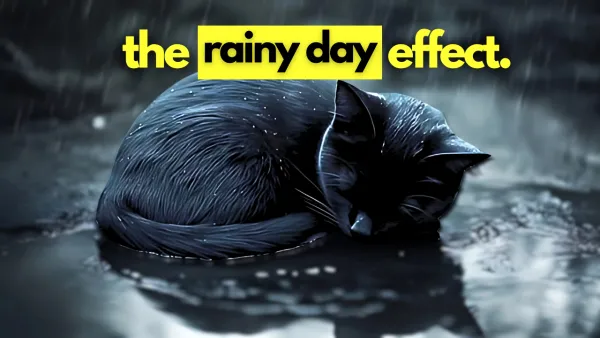
Cats sleep more during rain due to three factors: melatonin surges from low light, barometric pressure drops signaling rest, and evolutionary energy conservation when hunting is inefficient.
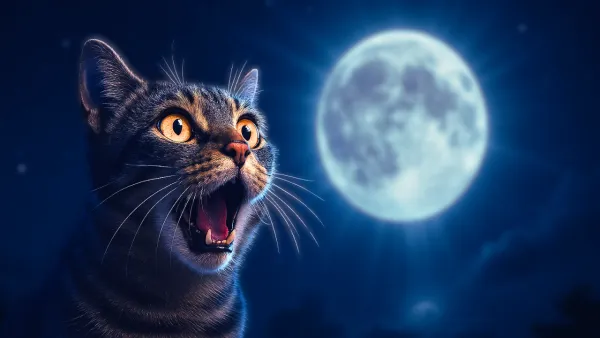
A Colorado State University analysis of 11,940 vet cases found a real but clinically tiny full-moon effect: about one extra cat visit per full-moon period. “Moon madness” is mostly perception. Cats are crepuscular; brighter nights can boost activity via circadian cues, not gravity.
cat behavior
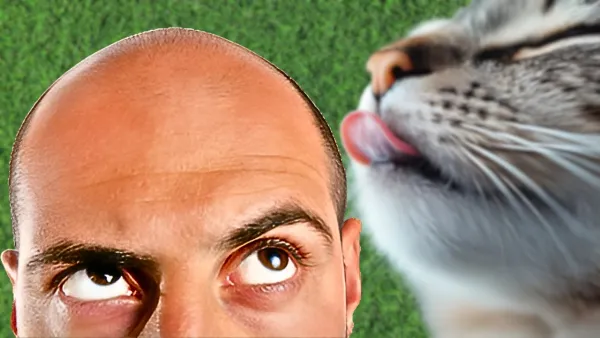
Cats chew or lick human hair primarily as a form of "Allogrooming" (social bonding), treating you as part of their colony. However, excessive hair eating can be a sign of Pica, a condition linked to nutritional deficiencies or anxiety that requires veterinary attention
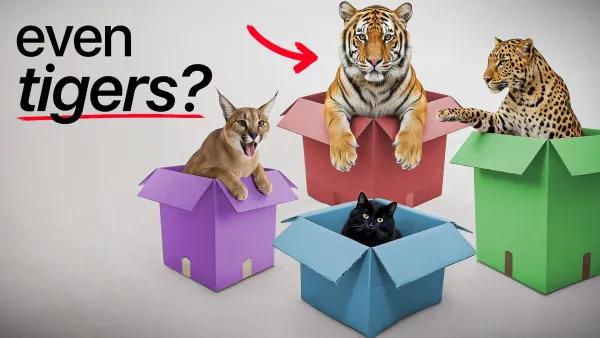
Cats love boxes due to thigmotaxis: an instinct to seek enclosed contact for safety. A University of Utrecht study found that giving shelter cats hiding boxes significantly reduced stress, measured by the Cat-Stress-Score (CSS).