Why Do Cats Loaf? The Science Behind Tucked Paws Explained
The cat loaf position serves two biological functions: Thermoregulation (conserving body heat by reducing surface area) and Relaxed Readiness (staying comfortable while remaining ready to spring). While usually a sign of contentment, a hunched or tense loaf can indicate abdominal pain.

Quick Answer: Why do cats loaf?
The "Cat Loaf" position serves two biological functions: Thermoregulation and Relaxed Readiness (staying comfortable while remaining ready to spring into action). While usually a sign of contentment, a hunched or tense loaf can indicate abdominal pain, so observing your cat's facial tension and body rigidity is key to understanding their wellbeing.
Table of Contents
- What is a Cat Loaf?
- Why Do Cats Tuck Their Paws? (Heat Conservation)
- Does a Loaf Mean My Cat is Happy?
- Loaf vs. Pain: When to Worry?
- How to Make a Loafing Cat Comfortable
- The Art of the Loaf: Conclusion
- Key Takeaways
- Frequently Asked Questions
What is a Cat Loaf?
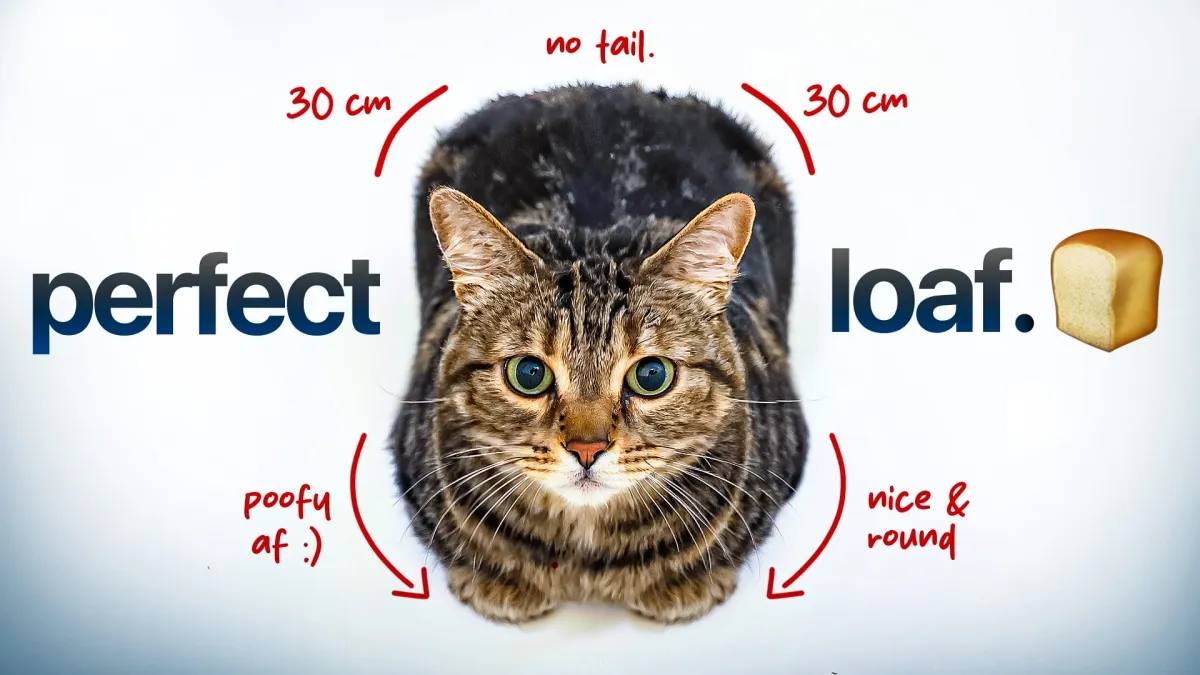
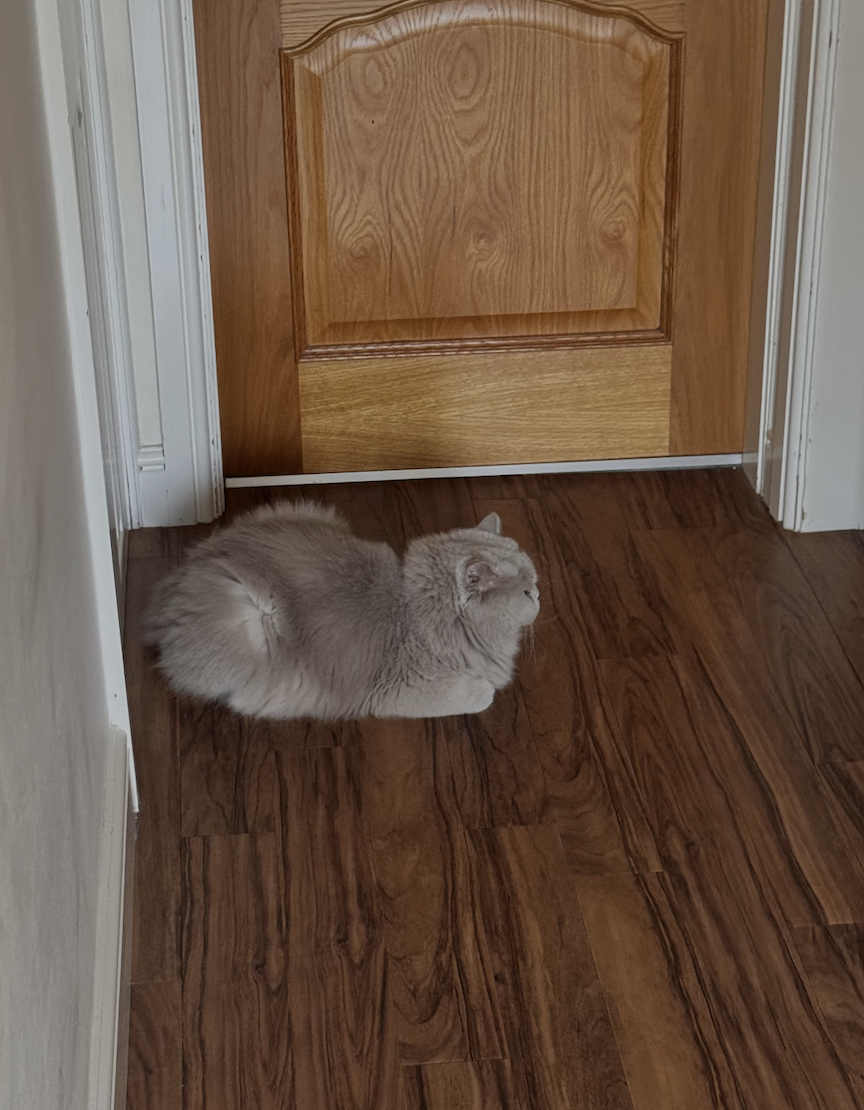
The cat loaf (also called the "bread loaf," "loafing," or "catloaf") is a distinctive resting position where a cat sits upright with all four paws tucked neatly underneath their body. The result resembles a freshly baked loaf of bread, complete with a rounded top and no visible legs.
The defining characteristics of a cat loaf include:
- All four paws tucked beneath the body, completely hidden from view
- Tail wrapped close to the body or tucked alongside
- Chest resting on the ground while the head remains upright and alert
- Eyes half-closed or blinking slowly in a relaxed state
The cat loaf is distinct from other common feline resting positions. While a "sploot" involves hind legs stretched out behind the body and a "side sprawl" exposes the belly in complete vulnerability, the loaf represents a carefully calibrated middle ground between full relaxation and instant readiness.
🧪 Adam's Lab Note: Moon perfected his loaf technique around 8 months old. Before that, he'd attempt the position but one paw would always escape, creating what I call the "broken loaf" or "baguette with a handle."

Why Do Cats Tuck Their Paws? (Heat Conservation)
The primary driver behind the cat loaf position is thermoregulation, the body's ability to maintain optimal internal temperature. Understanding this biology explains why your cat transforms into bread multiple times per day.
The Thermal Challenge for Cats
Cats are obligate heat-seekers with specific temperature requirements that differ significantly from humans:
| Species | Preferred Ambient Temperature | Normal Body Temperature |
|---|---|---|
| Domestic Cat | 86-100 degrees F (30-38 degrees C) | 100.5-102.5 degrees F (38-39 degrees C) |
| Human | 68-72 degrees F (20-22 degrees C) | 97.6-99.6 degrees F (36.5-37.5 degrees C) |
This temperature gap of nearly 20 degrees Fahrenheit between human comfort and feline comfort means most indoor environments are technically cold for cats. Your cat must actively conserve body heat in the average home.
The Physics of the Loaf
Heat escapes from a cat's body through three primary mechanisms:
- Radiation: Heat radiating from the body surface into cooler surrounding air
- Conduction: Direct heat transfer to cooler surfaces the body contacts
- Convection: Heat carried away by air currents moving across the body
The cat loaf addresses all three mechanisms simultaneously. By tucking their paws, legs, and tail close to their core, cats reduce their exposed surface area. According to the Stefan-Boltzmann Law, this directly reduces radiative heat loss by a proportional amount.
The extremities, particularly the paw pads and ear tips, have higher blood vessel concentration and less insulating fur. By protecting these areas, cats conserve significant thermal energy without expending metabolic calories.
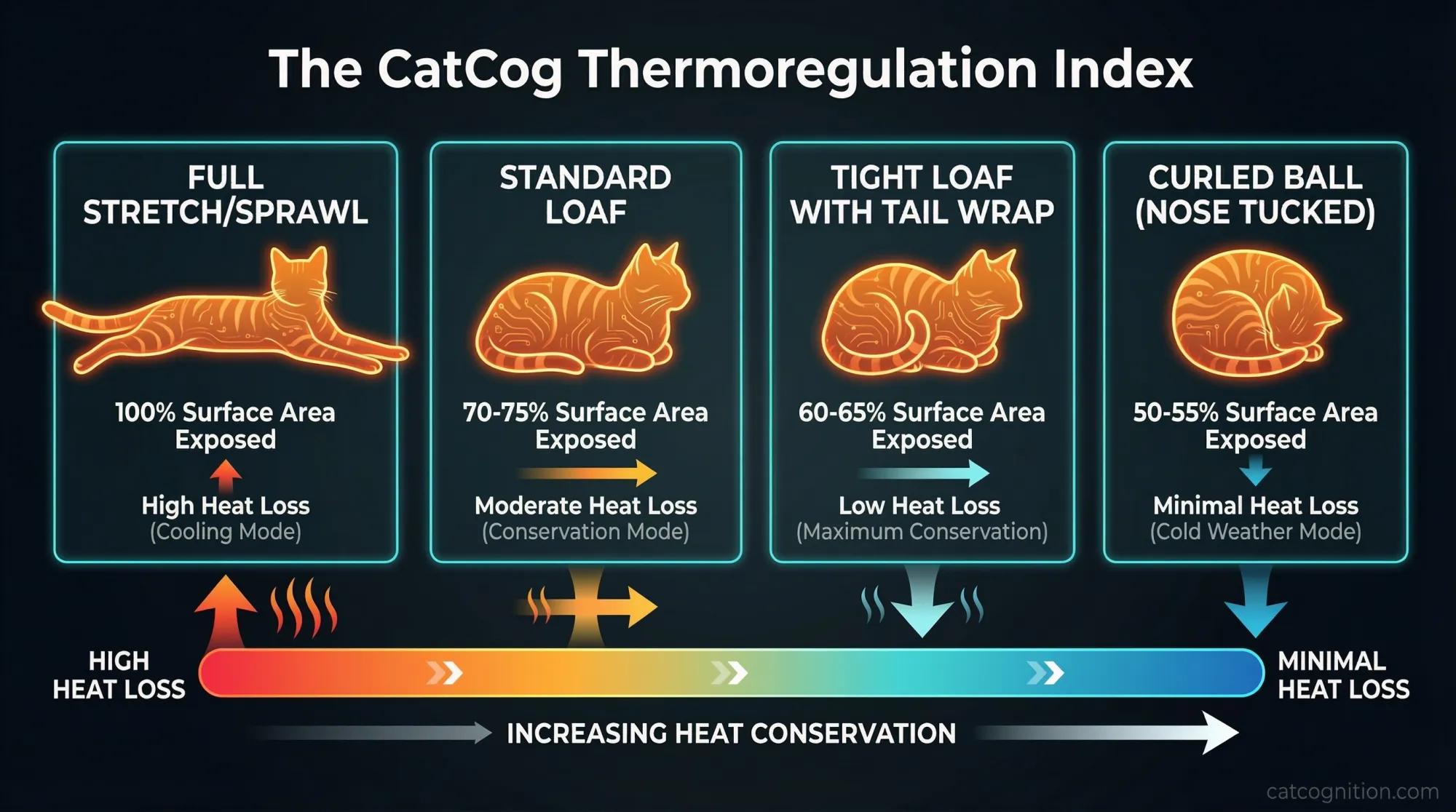
The CatCog Thermoregulation Index
| Body Position | Surface Area Exposed | Relative Heat Loss |
|---|---|---|
| Full Stretch/Sprawl | 100% | High (Cooling Mode) |
| Standard Loaf | 70-75% | Moderate (Conservation Mode) |
| Tight Loaf with Tail Wrap | 60-65% | Low (Maximum Conservation) |
| Curled Ball (Nose Tucked) | 50-55% | Minimal (Cold Weather Mode) |
Cats instinctively select the position that matches their thermal needs. A loaf in a sunny window conserves just enough heat, while a tight ball on a cold floor maximizes insulation.
⚠️ The CatCog Reality Check: If your cat suddenly starts loafing more frequently or in unusual spots, check your home's ambient temperature. A thermostat change, drafty window, or malfunctioning HVAC system might be forcing your cat into constant heat-conservation mode. Cats regulate through behavior first, metabolism second.
Does a Loaf Mean My Cat is Happy?
The cat loaf is frequently interpreted as a sign of contentment, and this interpretation is generally correct. However, the science reveals a more nuanced picture: the loaf represents a state called "relaxed readiness."
The Trust Factor in Loafing
When a cat tucks all four paws underneath their body, they sacrifice instant mobility. From a loaf position, a cat requires approximately 0.5 to 1 second to extend their legs and launch into motion, compared to near-instant response from a standing or crouch position.
For an animal that evolved as both predator and prey, this is a calculated vulnerability.
Cats only loaf when they trust their environment.
This means the loaf functions as a behavioral indicator of security. If your cat loafs in your presence, in the same room, or on your lap, they have assessed their surroundings and concluded that the risk of a necessary rapid escape is acceptably low.
Signs of a Content Loaf
| Body Feature | Content Loaf Indicators |
|---|---|
| Eyes | Soft, half-closed, slow blinking |
| Ears | Neutral or slightly forward, not swiveling |
| Whiskers | Relaxed, natural position |
| Breathing | Slow, even rhythm, barely visible chest movement |
| Body Tension | Soft, almost melting into the surface |
| Tail | Loosely wrapped, may occasionally twitch gently |
A content loafing cat often exhibits the slow blink, a feline communication signal that researchers have documented as a deliberate trust gesture. If your loafing cat slow-blinks at you, they are communicating safety and affection.
The "Relaxed Readiness" State
The loaf is not the deepest sleep position; cats reserve that for the curled ball or side sprawl. Instead, the loaf maintains a specific level of alertness:
- Ears still rotate toward sounds
- Eyes can open quickly in response to stimuli
- Muscles remain partially engaged for rapid response
- Head stays upright for environmental monitoring
This is the feline equivalent of a person relaxing in a chair but remaining awake and aware. Your cat is comfortable, trusting, and conserving energy, but not fully off-duty.
🧪 Adam's Lab Note: I tracked Moon's loafing patterns over a 7-day period and found he loafs most frequently between 10am and 2pm after eating. Two of the spots he frequently loafs in have direct sun exposure, and one is near my desk. The pattern suggests loafing is both thermal behavior AND social proximity seeking. He wants to be warm AND near his human.
Loaf vs. Pain: When to Worry?
This is the critical distinction every cat owner must understand. While most loafing indicates comfort, a tense or hunched loaf can signal abdominal pain or other health issues requiring veterinary attention.
The Pain Loaf: Visual Differences
Cats are masters at hiding pain, an evolutionary survival trait that unfortunately makes them challenging patients. The pain loaf often looks similar to a content loaf at first glance, but key differences reveal the truth.
| Feature | Content Loaf | Pain Loaf |
|---|---|---|
| Overall Shape | Round, bread-like, relaxed | Hunched, peaked, tight |
| Body Tension | Soft, muscles relaxed | Rigid, muscles contracted |
| Eye Expression | Soft, half-closed, slow blinks | Squinted, glazed, or wide and staring |
| Ear Position | Neutral, forward-facing | Flattened back or pinned to skull |
| Breathing | Slow, barely visible | Rapid, shallow, or visible effort |
| Responsiveness | Reacts to name, sounds, movement | Unresponsive or startles dramatically |
| Willingness to Move | Shifts positions, stretches periodically | Frozen, refuses to move |
| Duration | Intermittent throughout the day | Prolonged, hours without moving |
Red Flag Indicators Requiring Veterinary Attention
Seek immediate veterinary care if your loafing cat displays any of the following:
- Hunched, prayer-like posture: Front legs extended slightly forward, chest low to ground
- Rapid or labored breathing: Visible chest or abdominal movement
- Refusal to eat or drink: Anorexia lasting more than 24 hours
- Hiding in unusual locations: Under beds, in closets, behind appliances
- Vocalization when touched: Growling, hissing, or crying during handling
- Dilated pupils in normal lighting: Pupils remain large regardless of light level
- No position changes: Loafing in identical position for 4+ hours
Common Conditions Associated with Pain Loafing
Gastrointestinal Issues: Constipation, inflammatory bowel disease (IBD), hairball impaction, or intestinal obstruction can cause significant abdominal pain that triggers the protective loaf position.
Urinary Tract Problems: Cystitis, bladder stones, or urethral obstruction cause pain and discomfort localized to the abdomen. Male cats are particularly vulnerable to urinary blockages, which constitute a life-threatening emergency.
Pancreatitis: Inflammation of the pancreas causes severe abdominal pain. Cats with pancreatitis often adopt a hunched posture and refuse food.
Arthritis: While not abdominal, joint pain can make movement uncomfortable, causing cats to minimize activity and remain in a static loaf for extended periods.
⚠️ The CatCog Reality Check: Male cats exhibiting a tense loaf combined with frequent litter box trips, straining to urinate, or crying in the litter box may have a urinary blockage. This is a veterinary emergency. A complete urinary obstruction can cause fatal kidney failure within 24-48 hours. Do not wait to see if it improves. Seek emergency care immediately.
How to Make a Loafing Cat Comfortable
Since the cat loaf serves thermoregulation and security needs, you can optimize your home environment to encourage healthy, comfortable loafing behavior.
Temperature Optimization
Target temperature zone for cat comfort: 78-85 degrees F (26-29 degrees C)
| Warming Solution | Best Application | Notes |
|---|---|---|
| Heated cat beds | Primary sleeping areas | Use pet-specific products with auto-shutoff |
| Self-warming pads | Secondary locations | Reflect body heat without electricity |
| Sunny windowsills | Daytime lounging | Ensure no drafts; check glass temperature |
| Radiator perches | Winter months | Wall-mounted beds near (not on) heat sources |
| Thermal blankets | Portable comfort | Fleece or sherpa materials trap body heat |
Surface Selection for Optimal Loafing
Cats prefer soft, elevated surfaces that provide:
- Cushioned support: Memory foam or plush padding that conforms to body shape
- Thermal insulation: Materials that do not conduct heat away from the body
- Slight elevation: Even 6-12 inches above floor level reduces exposure to cold drafts
- Enclosed sides (optional): Cat caves or beds with raised edges provide additional warmth and security
Environmental Security Requirements
The loaf requires psychological safety as well as physical comfort:
- Quiet zones: Away from high-traffic areas, loud appliances, and sudden noises
- Visual cover: Beds placed against walls or in corners rather than exposed in room centers
- Escape routes: Clear path to exit if needed; cats will not fully relax if trapped
- Predictable routine: Consistent household schedules reduce stress and encourage relaxation
Multi-Cat Household Considerations
In homes with multiple cats, loafing stations require thoughtful distribution:
- Individual loafing stations: Provide one per cat, plus one extra (the N+1 rule)
- Vertical spacing: Use cat trees and wall shelves to create territory at multiple levels
- Visual barriers: Arrange furniture so cats can loaf without being in each other's direct sight lines
The Art of the Loaf: Conclusion
The cat loaf is a masterclass in biological efficiency. With a single posture, cats simultaneously conserve thermal energy, maintain alert readiness, and communicate their emotional state to observant owners.
Understanding the science behind this behavior transforms the everyday sight of a loafing cat into a window into feline evolution. When you see your cat tucked into a perfect bread shape, you are witnessing:
- Millions of years of evolutionary refinement in action
- A sophisticated thermoregulation strategy that costs zero metabolic energy
- A trust signal indicating your cat feels secure in their environment
- A behavioral health indicator you can monitor for changes
The next time your cat transforms into a loaf, take a moment to observe the details. Check for soft eyes and relaxed ears. Notice the gentle rhythm of breathing. Appreciate the engineering precision of tucked paws. You are watching an ancient survival strategy, perfected over evolutionary time, deployed in the safety of your home.
Key Takeaways
- Thermoregulation is the primary driver: Cats loaf to conserve body heat by reducing exposed surface area.
- Cats prefer temperatures 15-25 degrees warmer than humans: Most indoor environments are technically cold for cats
- The loaf represents "relaxed readiness": Comfortable enough to rest, alert enough to respond
- Loafing is a trust signal: Cats only loaf when they feel secure in their environment
- Content loaf vs. pain loaf: Soft body and slow blinks indicate comfort; rigidity and tension indicate distress
- Male cats with tense loaf + urinary symptoms = emergency: Urinary blockage is life-threatening
- Optimize for warmth and security: Heated surfaces, quiet locations, and predictable routines encourage healthy loafing
Frequently Asked Questions
Why do cats tuck their paws underneath them?
Cats tuck their paws to conserve body heat through thermoregulation. By reducing their exposed surface area by approximately 25-30%, cats minimize heat loss through radiation and convection. This is especially important because cats prefer ambient temperatures of 86-97 degrees Fahrenheit, significantly warmer than the average human home kept at 68-72 degrees Fahrenheit.
Does the cat loaf position mean my cat is happy?
Generally yes. A relaxed cat loaf with soft eyes, neutral ears, and even breathing indicates contentment and trust. The position represents a state of "relaxed readiness" where your cat feels safe enough to rest but remains capable of quick response if needed. Cats only loaf when they trust their environment and the people in it.
How can I tell if my loafing cat is in pain?
A pain loaf appears hunched, tense, and rigid rather than soft and bread-like. Look for narrowed or squinting eyes, flattened ears, rapid breathing, and reluctance to move or respond to stimuli. If your cat's loaf looks more like a tight ball than relaxed bread, and they show other symptoms like refusing food or hiding, consult your veterinarian immediately.
How can I make my loafing cat more comfortable?
Provide warm surfaces in the 78-85 degrees Fahrenheit range using heated cat beds, self-warming pads, or sunny windowsills. Choose soft, elevated locations with cushioned support. Ensure the environment is quiet and secure with clear escape routes. Cats loaf best in predictable, calm environments where they feel completely safe.
Why does my cat only loaf in certain spots?
Your cat has identified those locations as offering the optimal combination of warmth, security, and comfort. Cats create mental maps of microclimates in their environment. Even a 5-degree temperature difference, reduced noise, or better visual coverage can make one spot significantly more appealing for loafing than another.
Is it bad if my cat never loafs?
Some cats loaf less frequently due to individual temperament, age, or chronic health conditions. However, if your cat previously loafed regularly and has stopped, it could indicate environmental stress, temperature discomfort, or a health issue affecting their ability to maintain the position. Observe for other behavioral changes and consult your veterinarian if concerned.
Do all cats loaf the same way?
While the basic loaf structure is consistent, variations exist. Some cats maintain a higher "alert loaf" with head elevated and ears actively scanning. Others settle into a "collapsed loaf" where the chin rests on the ground. Hairless breeds like the Sphynx often loaf more frequently due to higher heat loss, while cats with arthritis may loaf less due to joint discomfort.
Can kittens do the cat loaf?
Kittens develop the ability to loaf as their coordination improves, typically becoming proficient over the first several months of life. Younger kittens may attempt the position but often "break" the loaf with escaping paws or unstable posture. The perfected adult loaf is a learned skill that improves with practice and physical development.
Sources
- AAFP and ISFM Feline Environmental Needs Guidelines - American Association of Feline Practitioners (Link: https://catvets.com/guidelines/practice-guidelines/environmental-needs-guidelines)
- Feline Pain Recognition and Assessment Guidelines - International Society of Feline Medicine (Link: https://pmc.ncbi.nlm.nih.gov/articles/PMC10845386/)
- The Role of Cat Eye Narrowing Movements in Cat-Human Communication - Humphrey, T., et al. (2020), Scientific Reports (Link: https://www.nature.com/articles/s41598-020-73426-0)
- Environmental Enrichment Standards for Domestic Cats - American Association of Feline Practitioners (Link: https://catvets.com/guidelines/practice-guidelines/environmental-needs-guidelines)
- Urinary Tract Disorders in Male Cats: Emergency Presentation and Management - Veterinary Emergency and Critical Care (Link: https://journals.sagepub.com/doi/10.1177/1098612X241309176)