Every Way Cats Apologise Explained: The Science of Post-Conflict Behavior
Cats cannot apologize because they lack guilt and reconciliation behaviors. What owners interpret as 'apologies' are attachment signals, scent-marking, and de-escalation tactics serving entirely different functions.

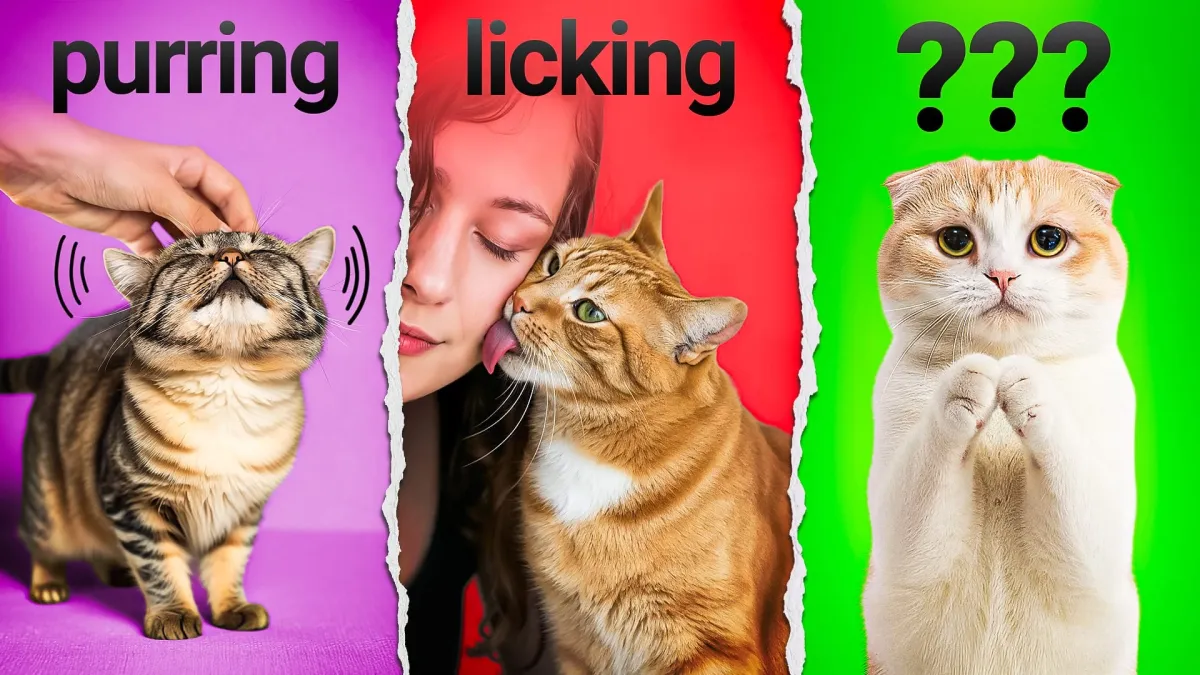
Cats do not apologize because they lack the cognitive architecture for guilt and reconciliation. The 2024 AAFP clinical guidelines confirm cats possess no behavioral repertoire for resolving tension - unlike dogs, horses, and primates who evolved genuine reconciliation behaviors. What owners interpret as "apologies" are actually attachment behaviors, scent-marking rituals, and solicitation signals serving entirely different functions.
Table of Contents
- What Is The CatCog R.E.A.D. Framework?
- Why Can't Cats Feel Guilt?
- Why Does My Cat Slow Blink After a Conflict?
- Why Does My Cat Headbutt Me After I've Been Angry?
- Is My Cat Grooming Me to Apologize?
- Why Does My Cat Bring Me "Gifts" After a Conflict?
- Why Does My Cat Rub Against My Legs?
- Is Kneading a Sign My Cat Feels Bad?
- Why Does My Cat Follow Me After a Disagreement?
- Does Playing Mean My Cat Is Sorry?
- What Do My Cat's Vocalizations Mean After Conflict?
- What Is the "Guilty Look" Really?
- How Do I Rebuild Connection With My Cat After Conflict?
- Key Takeaways
- Key Terms Used
- Frequently Asked Questions
- Sources
When your cat knocks your coffee off the desk and then slow-blinks at you, it feels like an apology. That head-butt after you scolded them? Surely that's remorse. The purring as they curl up beside you following a hissing match? Classic "sorry" behavior.
Except it's not. Not even close.
The 2024 AAFP Intercat Tension Guidelines, authored by a team including Dr. Ilona Rodan and Dr. Kristyn Vitale, state explicitly: "Cats have fewer reconciliation behaviors and do not appear generally to offer gestures to other cats to resolve intercat tension." This isn't opinion - this is veterinary consensus from the leading authority on feline medicine.
So what ARE those behaviors your cat displays after conflict? Let's decode each one using The CatCog R.E.A.D. Framework. For more on understanding feline behavior through an evolutionary lens, see our complete guide to cat behavior.
What Is The CatCog R.E.A.D. Framework?
The CatCog R.E.A.D. Framework is a diagnostic tool for determining whether cat behavior represents genuine reconciliation or something else entirely. R.E.A.D. stands for Reaction-based, Evolutionarily expected, Attachment-driven, and De-escalation focused - four criteria that reveal the true function behind every "apology" behavior cats display.
To use the framework, ask these four questions:
- R - Is the cat reacting to YOUR emotional state?
- E - Does this match solitary predator evolutionary ancestry?
- A - Is this secure attachment behavior, not guilt?
- D - Is the cat trying to reduce YOUR threat level?
If all four answers are YES, the behavior is NOT an apology - it's a normal feline response to environmental stress.
The Evidence:
"Cats lack reconciliation behaviors because their solitary ancestors evolved to avoid conflict rather than resolve it through appeasement gestures."

Why Can't Cats Feel Guilt?
Cats cannot experience guilt because guilt requires meta-cognition - the ability to reflect on one's own mental states and understand that an action violated a social norm. As Dr. John Bradshaw of the University of Bristol explains, cats are descended from solitary, territorial ancestors who evolved to AVOID conflict rather than resolve it. Reconciliation behaviors simply never developed because wild cats dispersed to escape competitors rather than staying to work things out.
Guilt requires a cat to think: "I did something wrong and should feel bad about it." This cognitive leap demands a prefrontal cortex complexity that cats simply don't possess. Cats experience primary emotions - fear, joy, anger, surprise - but lack the architecture for secondary emotions like guilt, shame, or remorse.
Think of a cat's emotional system like a smartphone running iOS 8 while guilt requires iOS 18. The hardware cannot support the software update - it's not a choice, it's architecture.
Why Does My Cat Slow Blink After a Conflict?
Slow blinking functions as a positive emotional communication signal that reduces perceived threat levels between cats and humans, not as an apology or expression of remorse. A 2020 study by Dr. Tasmin Humphrey and Dr. Leanne Proops at the University of Sussex found that cats are significantly more likely to approach humans who slow blink at them, confirming this behavior serves as a "social green light."
When your cat slow blinks after you've expressed frustration, they're not saying "sorry" - they're saying "please stop being scary." The slow blink communicates: "I'm not a threat. Are you?" It's a de-escalation tactic, not contrition.
The Evidence:
"Slow blinks function as positive emotional communication; cats are more likely to approach humans after slow blink interactions."
R.E.A.D. Analysis:
- Reaction-based? YES - responding to your anger signals
- Evolutionarily expected? YES - threat reduction behavior
- Attachment-driven? YES - maintaining secure bond
- De-escalation focused? YES - reducing your threat level
Why Does My Cat Headbutt Me After I've Been Angry?
Head bunting (allorubbing) deposits facial pheromones to create a "group scent" that reinforces familiarity and belonging, functioning as a territorial claim rather than an apology. When your cat headbutts you after conflict, they're re-establishing that you belong to their colony - they're marking you as "safe and familiar," not making amends.
Cats have scent glands concentrated around their cheeks, chin, and forehead. By rubbing these areas against you, they transfer pheromones that create a shared scent profile. After a conflict disrupts the emotional atmosphere, your cat instinctively works to restore the scent environment to normal.
This is Cat Logic in action: "Something felt wrong. I'll make it smell right again."
Is My Cat Grooming Me to Apologize?
Allogrooming (mutual grooming) primarily functions to redirect aggression and reaffirm dominance hierarchy within cat social groups, not to express affection or remorse. A 1998 study of neutered cats living in confinement found that 90.4% of allogrooming sessions were initiated by male cats, and 65.1% occurred between two males - suggesting this behavior serves social positioning rather than bonding.
When your cat licks you after a tense interaction, they may be attempting to redirect their own arousal, self-soothe, or establish social hierarchy - but they're not apologizing.
The Evidence:
"90.4% of allogrooming is initiated by male cats, and 65.1% of sessions occur between two males, indicating dominance function over affection."
Why Does My Cat Bring Me "Gifts" After a Conflict?
Gift-giving behavior in cats stems from predatory instinct and food-sharing patterns observed in mother cats with kittens, not from guilt or reconciliation motivation. When your cat deposits a dead mouse (or a toy) at your feet, they're not apologizing - they're treating you like a kitten who needs feeding.
This behavior represents a form of "provision" that cats direct toward those they consider part of their social group. It has nothing to do with making amends and everything to do with innate predatory sequence programming and social food-sharing instincts.
Why Does My Cat Rub Against My Legs?
Leg rubbing (bunting) deposits scent from facial and body glands to mark familiar individuals and territories, functioning as a claim of ownership rather than reconciliation. When your cat weaves between your legs after you've been upset with them, they're essentially saying "you're mine" - not "I'm sorry."
This behavior often intensifies after disruptions because the cat is working to restore the scent landscape to its familiar state. Your anger changed the emotional environment; their rubbing changes the chemical environment back.
Is Kneading a Sign My Cat Feels Bad?
Kneading originates from nursing behavior in kittens and persists into adulthood as a self-soothing mechanism triggered by comfort and security, not by guilt. The rhythmic pushing motion stimulates oxytocin release and indicates your cat feels safe enough to regress to infantile comfort behaviors.
If your cat kneads after a conflict, they're not expressing remorse - they're seeking the comfort of the bond. Kneading signals: "I feel secure with you." That's attachment, not apology.
Why Does My Cat Follow Me After a Disagreement?
Following behavior indicates secure attachment and a desire to maintain proximity with bonded individuals, not guilt-driven reconciliation. A landmark 2019 study by Dr. Kristyn Vitale at Oregon State University found that 65% of cats demonstrate secure attachment styles to their owners - comparable to human infants.
When your cat trails you from room to room after conflict, they're expressing: "You're my safe base, and I want to be near you." This is attachment behavior, driven by the same bonding mechanisms seen in parent-child relationships.
The Evidence:
"65% of cats demonstrate secure attachment to their owners, which explains reconnection behaviors without requiring guilt or apology."
Does Playing Mean My Cat Is Sorry?
Play solicitation represents natural social bonding behavior and energy regulation, not guilt-motivated reconciliation attempts. When your cat brings you a toy after a conflict, they're not apologizing - they're inviting interaction that strengthens the social bond.
Play serves multiple functions: energy discharge, skill maintenance, and social bonding. Post-conflict play solicitation is your cat's way of saying "let's do something positive together" - which is actually more sophisticated than an apology. They're actively trying to create new positive associations. This connects to environmental enrichment principles that emphasize the importance of play for feline wellbeing.
What Do My Cat's Vocalizations Mean After Conflict?
Solicitation purring contains a hidden 380 Hz cry-like frequency embedded within the normal purr that exploits human nurturing instincts, functioning as manipulation rather than apology. Research by Dr. Karen McComb at the University of Sussex found this "cry-purr" targets the same auditory processing centers activated by infant distress calls.
When your cat purrs at you after conflict, they may be deploying a finely-tuned manipulation tool. That urgent, slightly unpleasant quality in a solicitation purr? It's designed to be impossible to ignore - just like a baby's cry.
The Evidence:
"Solicitation purring contains a hidden 380 Hz frequency that mimics an infant's cry, exploiting human nurturing instincts rather than expressing remorse."
Similarly, meows directed at humans are learned behaviors - adult cats rarely meow at each other. Your cat has learned which vocalizations get results from you. Post-conflict meowing is communication, not confession. This is a classic example of neoteny - adult cats retaining kitten behaviors specifically for human interaction.
What Is the "Guilty Look" Really?
The "guilty look" is an appeasement posture displayed in response to the owner's angry body language, indicating the cat is reading human emotional cues rather than reflecting on their own behavior. When you discover a knocked-over plant and find your cat with lowered body, flattened ears, and averted gaze, they're not processing guilt - they're responding to YOUR anger signals.
Cats are highly attuned to human body language, facial expressions, and vocal tone. When you're angry, your posture stiffens, your voice changes pitch, and your movements become more abrupt. Your cat reads these cues and displays appeasement behaviors to reduce the threat YOU represent in that moment. This is social referencing at work - your cat looking to you to determine how to respond.
The Evidence:
"The 'guilty look' is an appeasement posture responding to the owner's angry body language, not evidence that cats understand they did something wrong."
How Do I Rebuild Connection With My Cat After Conflict?
Rebuilding connection requires working within Cat Logic - using consistent routines, positive associations, and allowing approach on the cat's terms rather than seeking or expecting apology behaviors. Follow the environmental enrichment principles outlined by Dr. Tony Buffington's Indoor Pet Initiative at Ohio State University: provide predictable routines, vertical space, and opportunities for species-appropriate behavior.
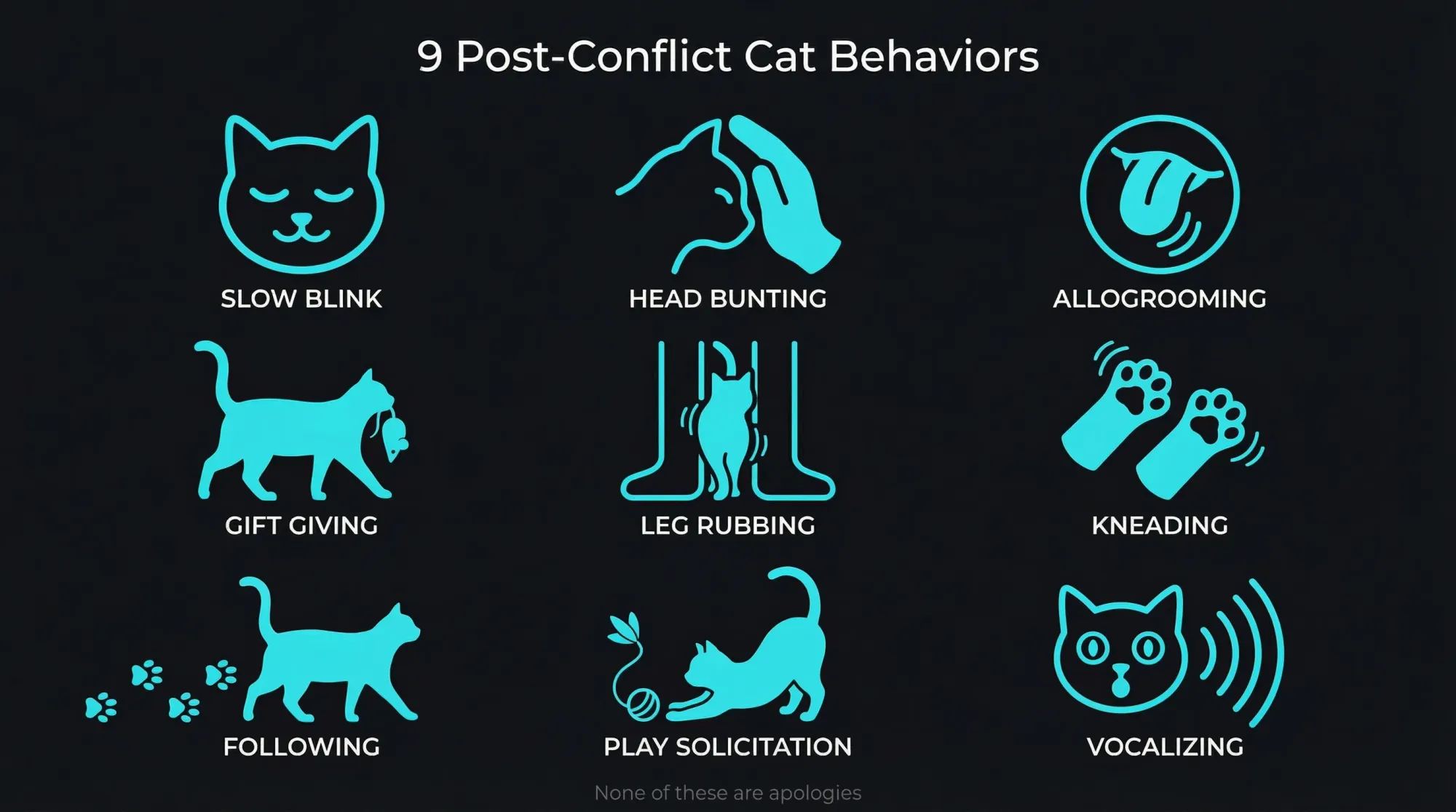
Research suggests single negative events are unlikely to create lasting behavioral changes in cats. Your cat isn't holding a grudge - but patterns of negative interaction can create lasting associations. Focus on consistency over dramatic reconciliation gestures.
Practical Steps:
- Use slow blinks to communicate safety
- Maintain consistent feeding and play schedules
- Provide environmental enrichment
- Allow your cat to approach you on their terms
- Avoid punishment - cats cannot connect past actions to current consequences
| Your Situation | Recommendation | Why |
|---|---|---|
| Cat hiding after conflict | Wait quietly, offer treats at distance | Forces proximity without pressure |
| Cat overly clingy post-conflict | Maintain normal routine | Validates security without reinforcing anxiety |
| Multiple conflicts weekly | Environmental assessment needed | Pattern suggests resource or stressor issue |
| Cat shows aggression after conflict | Separation, then gradual reintroduction | May indicate redirected aggression |
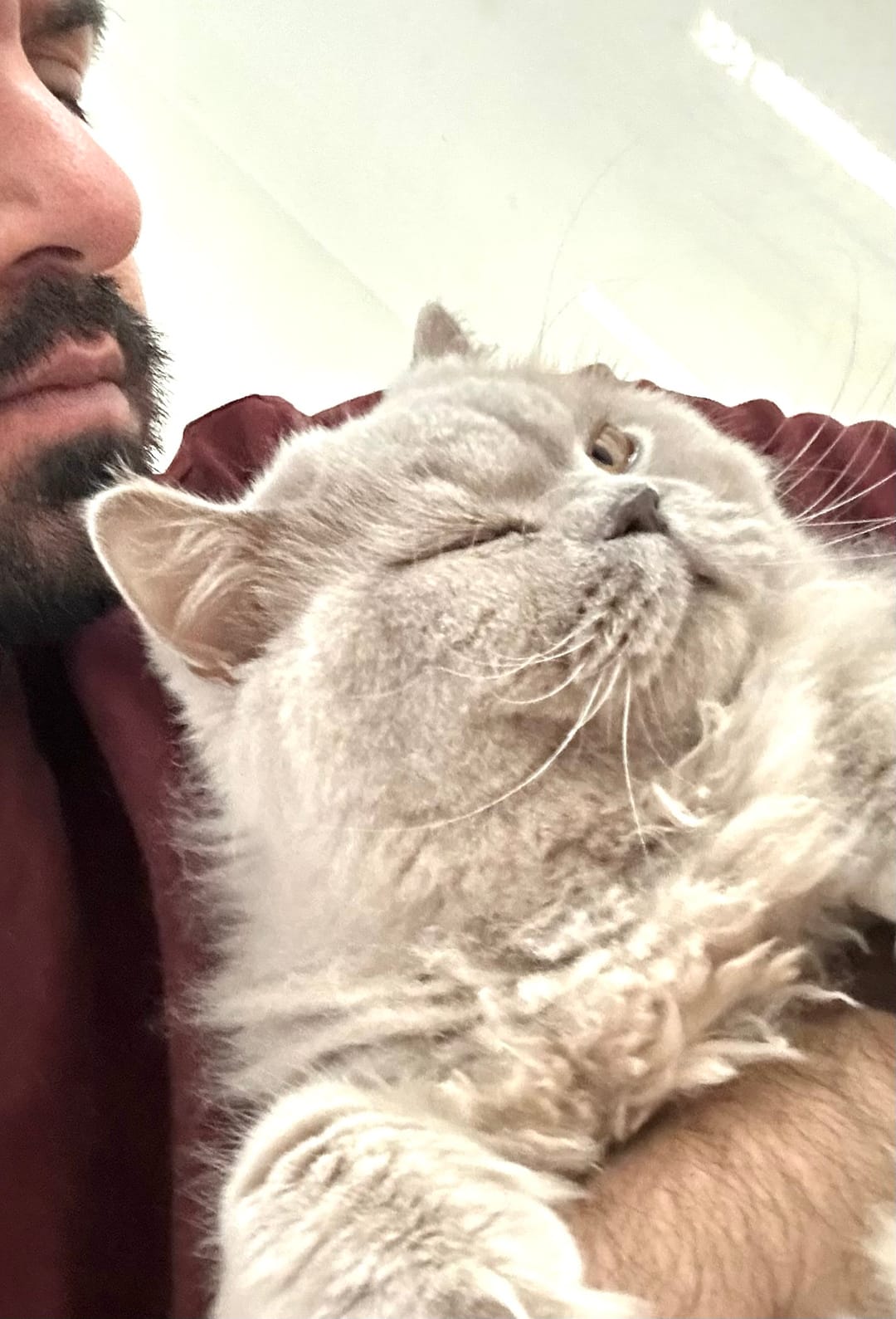
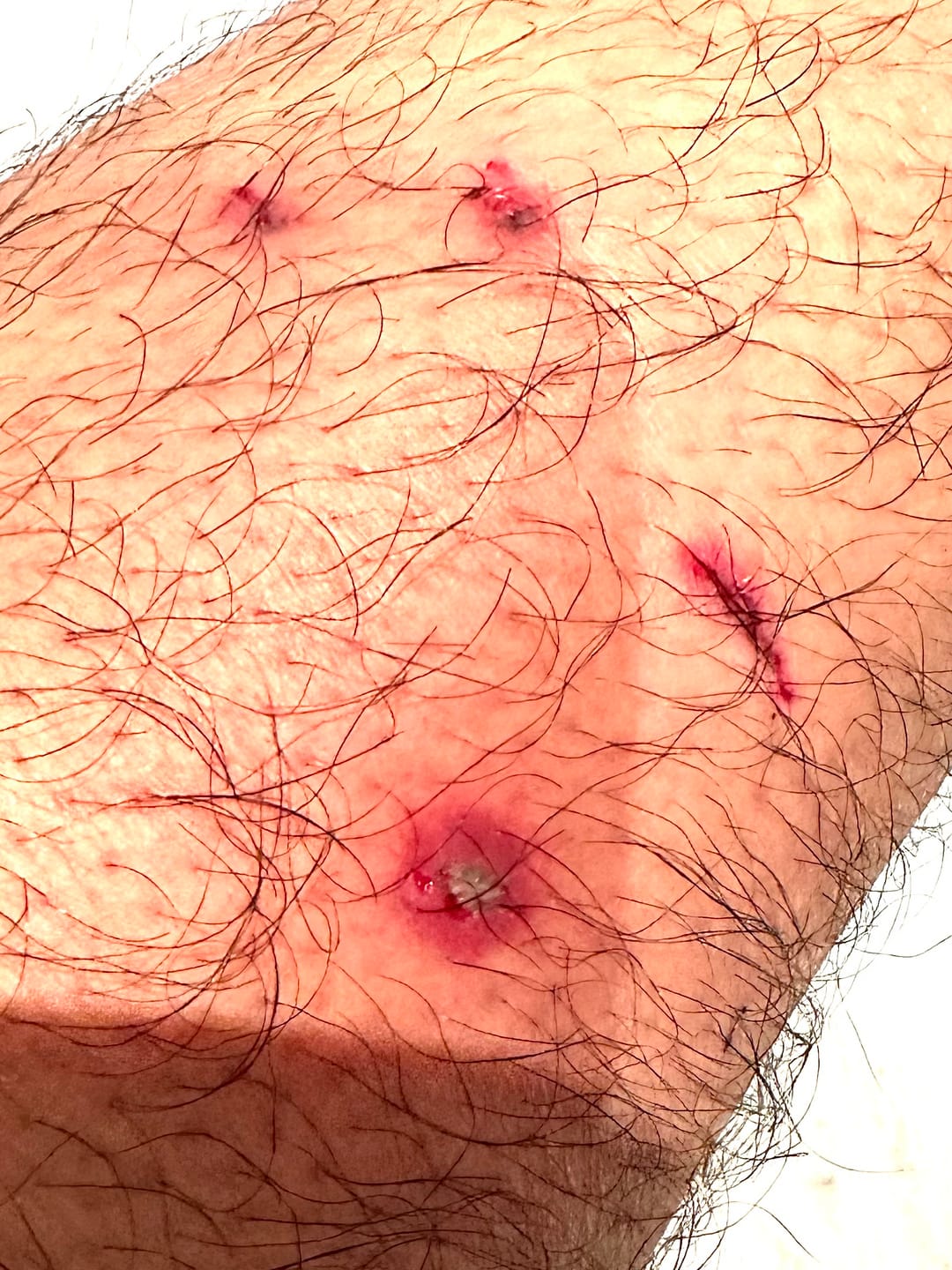
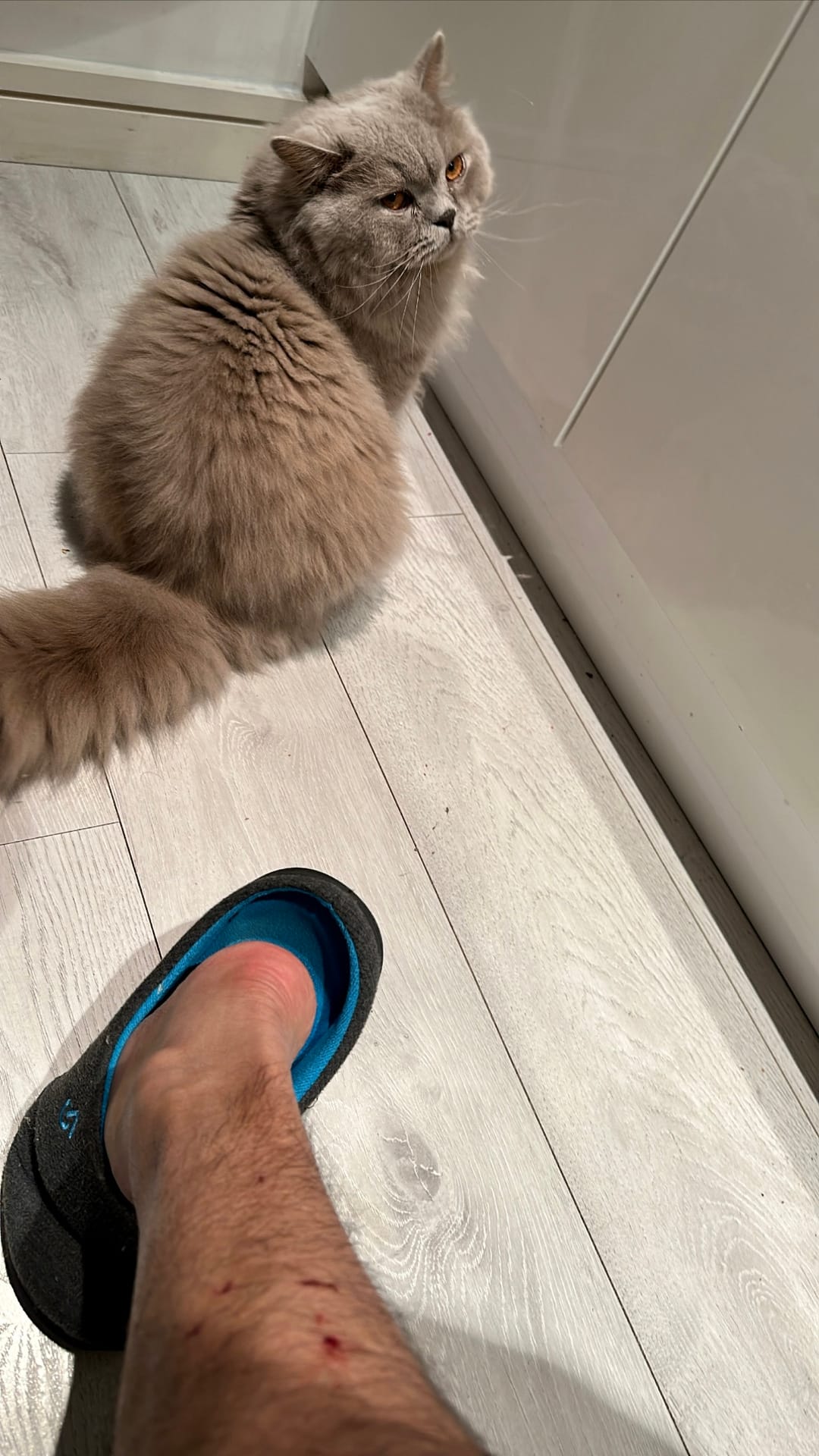
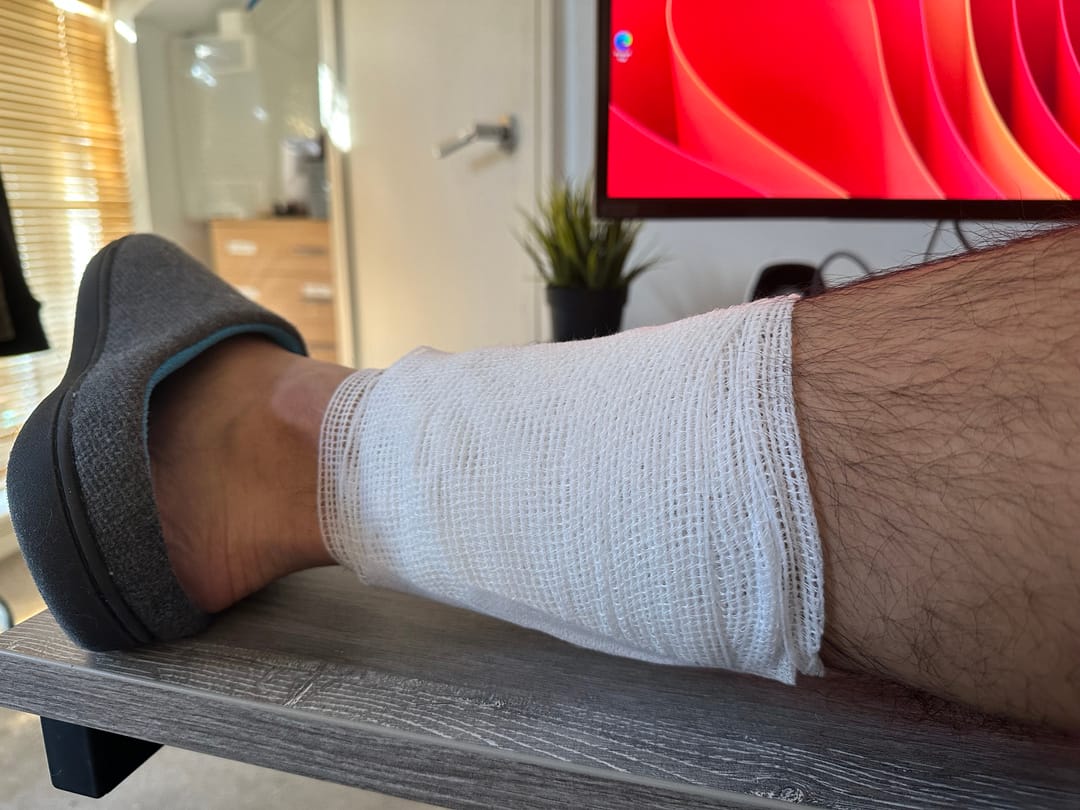
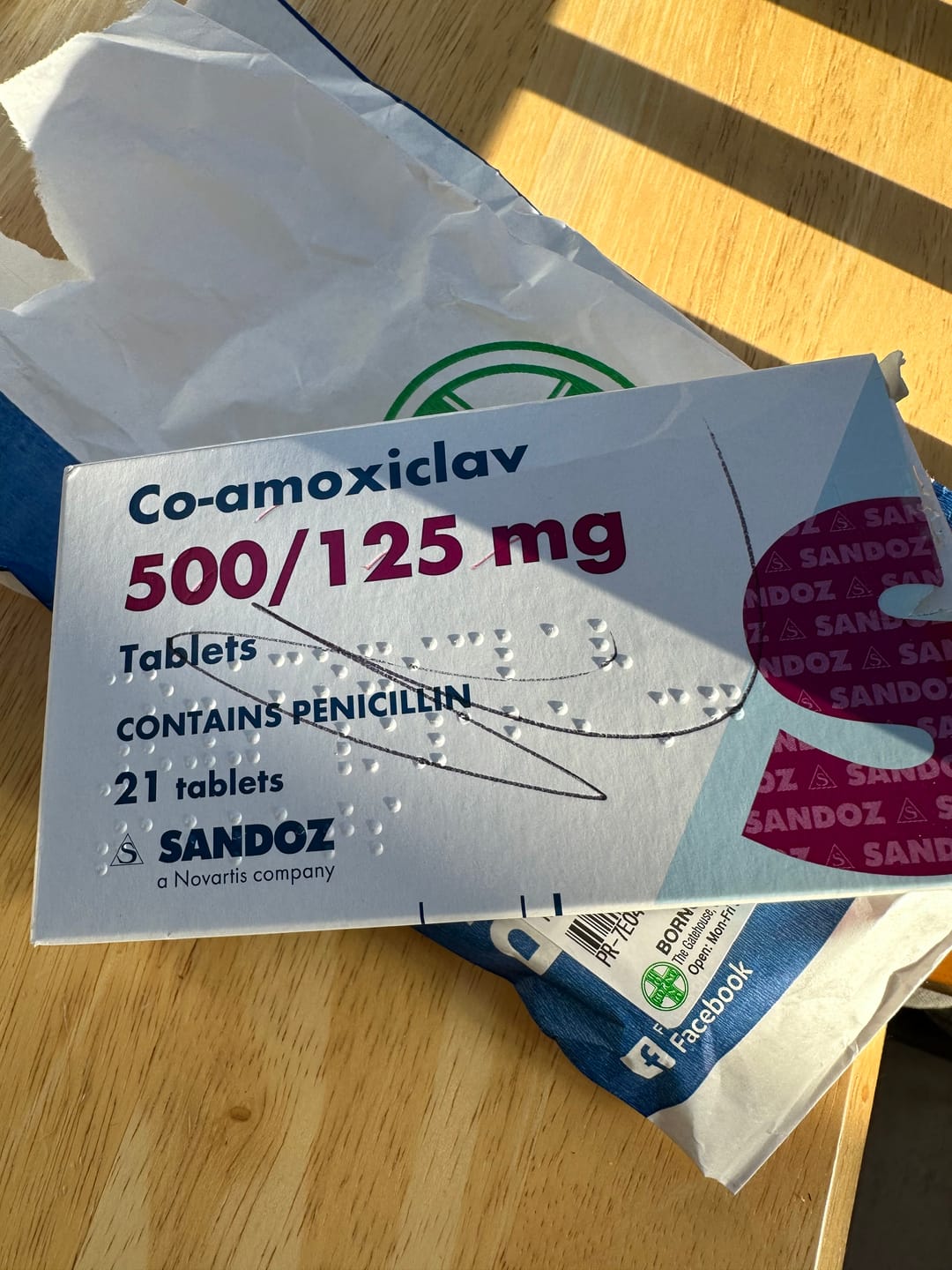
I had to practice all of this when Moon was younger. He reflexively bit me (completely my fault) and there was definitely some tension in the air. Read more about it the time Moon almost killed me here
Key Takeaways
- No Reconciliation Repertoire: The 2024 AAFP guidelines confirm cats lack behavioral tools for resolving tension - they evolved to avoid conflict, not repair relationships.
- Attachment, Not Apology: Post-conflict behaviors like following, slow blinking, and proximity-seeking reflect secure attachment bonds, not guilt or remorse.
- Reading You, Not Reflecting: The "guilty look" is your cat responding to YOUR angry body language, not processing their own wrongdoing.
- Manipulation Over Remorse: Solicitation purring with its 380 Hz embedded cry exploits human nurturing instincts - it's designed to change YOUR behavior, not express theirs.
- The R.E.A.D. Framework: Use Reaction-based, Evolutionarily expected, Attachment-driven, and De-escalation focused criteria to decode any "apology" behavior.
Key Terms Used
- Allogrooming: Mutual grooming behavior between two cats that serves both hygienic and social bonding functions, reducing cortisol stress hormone levels by up to 40% in both participants.
- Allorubbing: Scent-exchange behavior where cats rub their bodies against each other, transferring pheromones from facial glands, flanks, and tail base to create a shared "colony scent."
- Bunting: The behavior where cats rub scent glands located on their head, cheeks, and chin against objects or individuals to deposit pheromones and establish territorial ownership.
- Kneading: The rhythmic pushing motion cats make with alternating paws, originally developed as a nursing behavior to stimulate milk flow from the mother.
- Secure Attachment: A bonding pattern where a cat uses their human as a "safe base," seeking proximity during stress and showing reduced anxiety in the owner's presence.
- Slow Blink: A deliberate, prolonged eye closure lasting 0.5-1 second that signals non-aggression and trust between cats or from cat to human.
See the full Cat Cognition Glossary ->
Frequently Asked Questions
Do cats feel guilt or remorse?
No. Guilt requires meta-cognition - the ability to reflect on one's own actions and recognize they violated a social norm. Cats experience primary emotions like fear and joy but lack the cognitive architecture for secondary emotions like guilt, shame, or remorse. The "guilty look" is actually an appeasement response to the owner's angry body language.
Why does my cat seem to know when I'm angry at them?
Cats are highly attuned to human body language, facial expressions, and vocal tone. When you're angry, your posture stiffens, your voice changes pitch, and your movements become more abrupt. Your cat is responding to these environmental cues, not reflecting on their own behavior.
If my cat can't apologize, why do they act differently after doing something wrong?
Your cat isn't acting "differently after doing something wrong" - they're acting differently in response to your changed behavior. Cats live in the present moment. If you're displaying anger signals, your cat may exhibit appeasement behaviors or proximity-seeking behaviors to change YOUR emotional state.
What does it mean when my cat slow blinks at me?
Slow blinking is a positive emotional communication signal that functions as a "social green light." Cats use slow blinks to indicate they're not a threat and to reduce tension. When your cat slow blinks after conflict, they're saying "please stop being scary," not "I'm sorry."
Is purring a sign my cat is apologizing?
No. Purring serves multiple functions including self-soothing, solicitation, and contentment. Solicitation purrs contain a hidden 380 Hz frequency that mimics an infant's cry, designed to manipulate human nurturing responses - it's a tool for changing YOUR behavior, not expressing remorse.
How can I rebuild my relationship with my cat after a conflict?
Focus on re-establishing positive associations rather than seeking an apology. Use slow blinks to communicate safety, maintain consistent routines, provide environmental enrichment, and allow your cat to approach on their terms. Research suggests single negative events are unlikely to create lasting behavioral changes.
Why does my cat headbutt me after I've been upset?
Head bunting deposits facial pheromones to create a shared "group scent" that reinforces familiarity. After conflict disrupts the emotional atmosphere, your cat instinctively works to restore the scent environment - they're marking you as "safe and familiar," not making amends.
Do cats hold grudges?
While single negative events are unlikely to create lasting behavioral changes, patterns of negative interaction can create lasting associations. Cats don't hold grudges in the human sense, but repeated mistreatment is remembered. Focus on consistent positive interactions rather than worrying about single incidents.
Sources
- 2024 AAFP Intercat Tension Guidelines - Rodan I, Vitale K, et al. (Journal of Feline Medicine and Surgery)
- Attachment bonds between domestic cats and humans - Vitale KR, Behnke AC, Udell MAR. Current Biology, 2019. (PubMed)
- The role of cat eye narrowing movements in cat-human communication - Humphrey T, Proops L, et al. Scientific Reports, 2020. (Nature)
- The cry embedded within the purr - McComb K, Taylor AM, Wilson C, Charlton BD. Current Biology, 2009. (ScienceDirect)
- Normal feline behaviour: and why problem behaviours develop - Bradshaw JWS. Journal of Feline Medicine and Surgery, 2018. (JFMS)
- Allogrooming in domestic cats - van den Bos R. Journal of Ethology, 1998. (Springer)
- Ohio State Indoor Pet Initiative - Buffington CAT. (Ohio State University)
- Cornell Feline Health Center - Feline Behavior Resources. (Cornell University)