GLP-1 for Cats: OKV-119, the MEOW-1 Trial, and What Science Actually Says
Can cats take Ozempic? Learn about the OKV-119 implant for feline obesity, the MEOW-1 clinical trial, and evidence-based strategies to help your cat today.

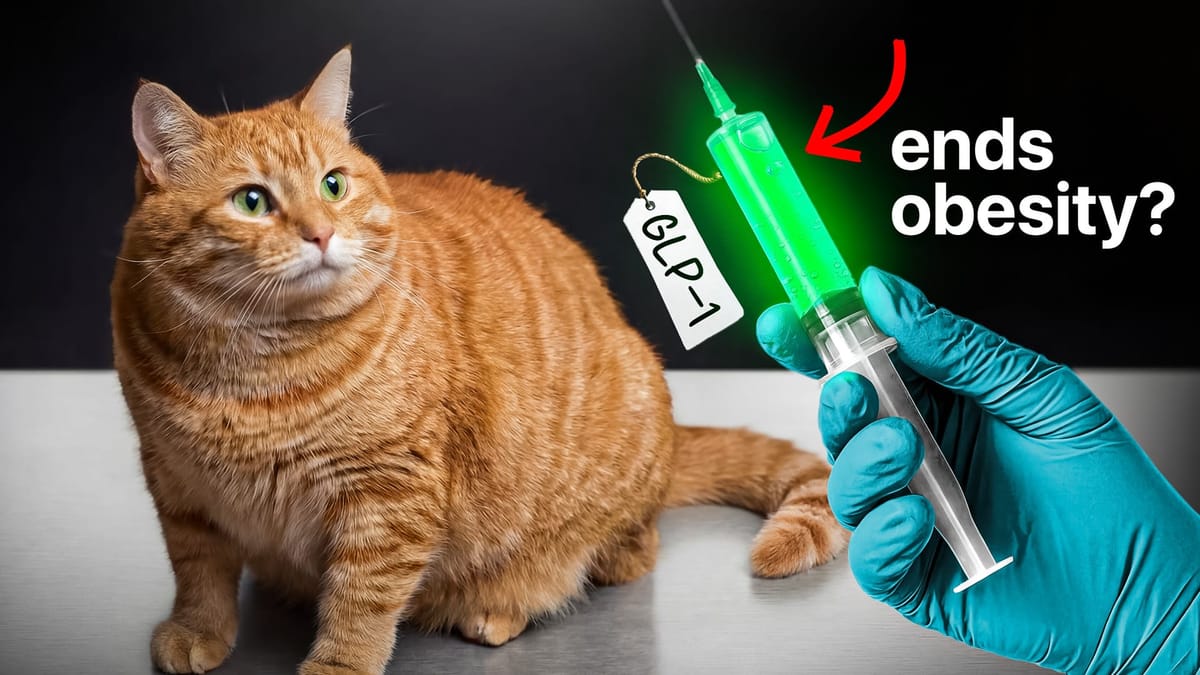
No, cats cannot safely take human GLP-1 medications like Ozempic or Wegovy. However, a cat-specific GLP-1 implant called OKV-119 is currently in clinical trials and shows promising results for feline obesity. The MEOW-1 trial began in December 2025, with results expected by summer 2026. Until FDA approval (estimated 2027-2028), cat owners can use natural strategies that trigger satiety signals through wet food, puzzle feeders, and scheduled meals.
Table of Contents
- Why Is My Cat So Hungry All the Time?
- What Is GLP-1 and How Does It Work in Cats?
- What Is the OKV-119 Implant?
- Why Can't I Just Give My Cat Human Ozempic?
- What Can I Do Today Without Waiting for Drug Approval?
- The Biology Behind the Shame
- Key Terms Used
- Frequently Asked Questions
- Key Takeaways
- Sources
Your cat is not lazy. Your cat is not greedy. Your cat is running survival software written for a world that no longer exists.
Sixty percent of domestic cats are classified as overweight or obese based on veterinary body condition scoring, making feline obesity the single most common nutritional disorder in veterinary practice. Yet the solution is not simply "feed less"—because the problem is not willpower. The problem is biology fighting against an environment cats never evolved to handle.
The same GLP-1 drugs transforming human weight loss—Ozempic, Wegovy, Mounjaro—are now being developed for cats. But before you consider splitting your prescription with your cat (please do not), there is critical science you need to understand about why cats get fat, why traditional diets fail, and what the new generation of veterinary treatments might actually accomplish.
Why Is My Cat So Hungry All the Time?
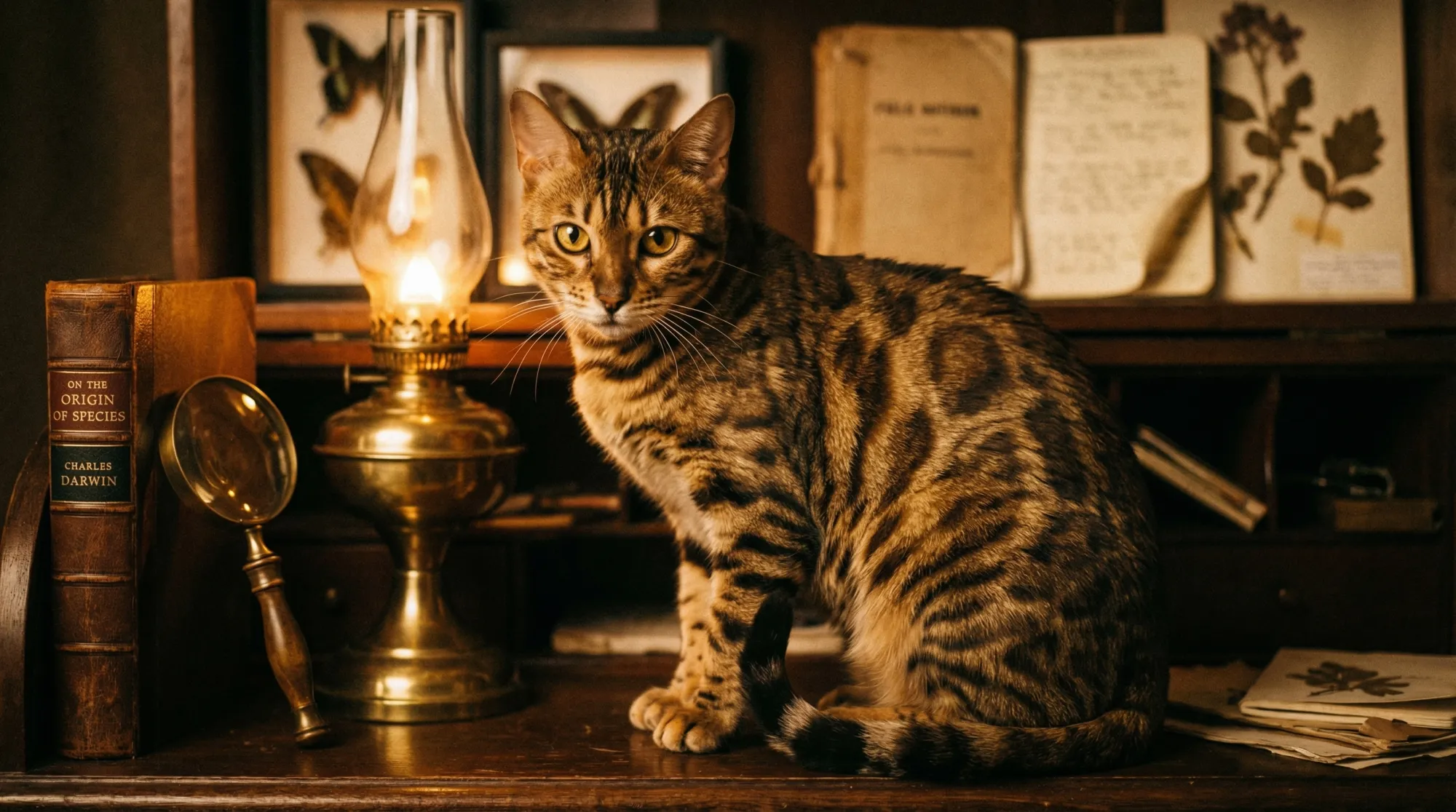
Feline hunger is not a character flaw but an evolutionary survival mechanism. Cats evolved as obligate carnivores in arid environments where prey was scarce and inconsistent, developing metabolic pathways optimized for protein metabolism and aggressive fat storage during periods of abundance. The African wildcat ancestors of domestic cats became extraordinarily efficient calorie-storage machines because the cats that stored fat between kills survived famines. Modern indoor cats inherit this same metabolic programming but live in permanent abundance with unlimited access to calorie-dense food requiring zero hunting effort.
The mismatch is profound. A feral cat's natural diet consists of approximately 52% protein, 46% fat, and only 2% carbohydrates by metabolizable energy. Most commercial dry cat food inverts this ratio entirely, delivering high carbohydrate loads that a cat's metabolism struggles to process correctly.
The Evidence:
"Cats have minimal to absent hepatic glucokinase enzyme activity, forcing continuous gluconeogenesis and predisposing felines to fasting hyperglycemia and insulin resistance."
This missing enzyme—glucokinase—explains why cats process glucose so differently from dogs and humans. In most mammals, glucokinase acts as a glucose sensor in the liver, helping regulate blood sugar after meals. Cats never evolved this enzyme because their wild diet contained almost no carbohydrates. Their livers run on protein metabolism continuously, whether or not they have just eaten.
As Dr. Chen Gilor of the University of Florida College of Veterinary Medicine explains in research on feline GLP-1 analogs, the physiological differences between cats and other species are not in the GLP-1 system itself but in broader metabolic pathways. The GLP-1 peptide is 100% homologous between cats and humans—meaning the molecule is identical. The differences lie in how cats handle glucose at the liver level, not in receptor shape or hormone structure.
What Is GLP-1 and How Does It Work in Cats?
GLP-1 (Glucagon-Like Peptide-1) is an incretin hormone released by intestinal L-cells in response to nutrient intake that signals satiety to the brain, slows gastric emptying, and enhances insulin sensitivity. In cats, GLP-1 is stimulated by glucose just as in humans—contrary to some misinformation suggesting cats respond differently. The incretin that behaves unusually in cats is GIP (glucose-dependent insulinotropic polypeptide), which responds primarily to amino acids and fat rather than glucose. GLP-1 itself functions similarly across species.
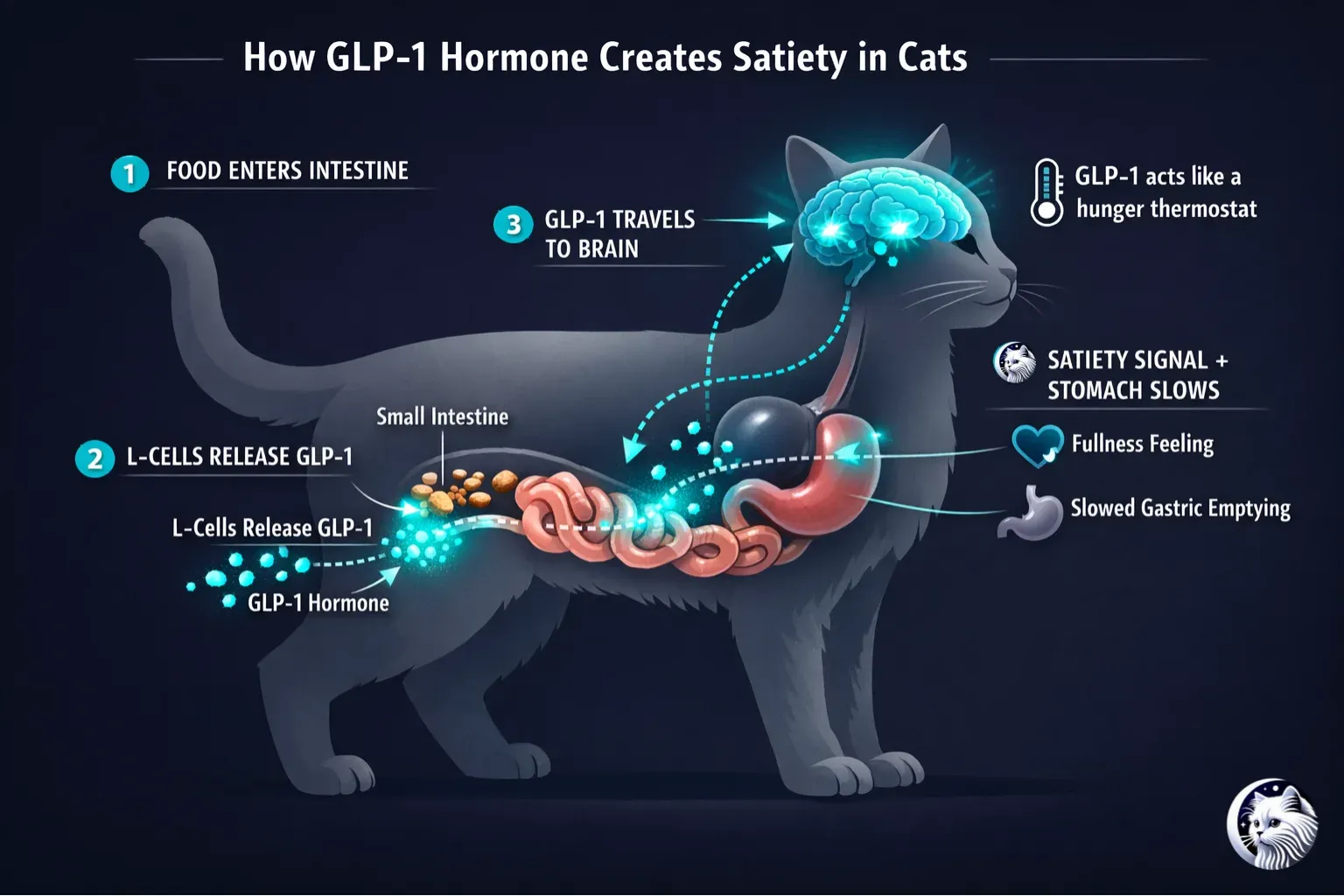
When GLP-1 binds to receptors in the brain and gut, it triggers a cascade of effects: the stomach empties more slowly, hunger signals diminish, and insulin release becomes more efficient. Think of GLP-1 as a thermostat for hunger—it tells the brain when the body has received enough fuel, creating that "satisfied" feeling before overeating occurs.
The Evidence:
"GLP-1 peptide is 100% homologous between cats and humans, making incretin-based therapies physiologically viable for feline patients."
This homology is crucial. It means GLP-1 agonist drugs developed for humans can theoretically work in cats—the receptor locks and hormone keys match perfectly. The challenge is not receptor compatibility but dosing, delivery method, and accounting for cats' unique glucose metabolism.
What Is the OKV-119 Implant?
OKV-119 is a subcutaneous implant developed by Okava Pharmaceuticals that delivers continuous exenatide (a GLP-1 receptor agonist) for up to six months from a single insertion (with studies demonstrating 84-112 days of drug release to date). The implant measures just 2mm by 21.5mm—roughly the size of a grain of rice—and releases exenatide at a steady rate, avoiding the peaks and troughs associated with injection-based delivery. Preliminary studies show that OKV-119 can maintain 5-12% body weight reduction in cats over 112 days or longer.
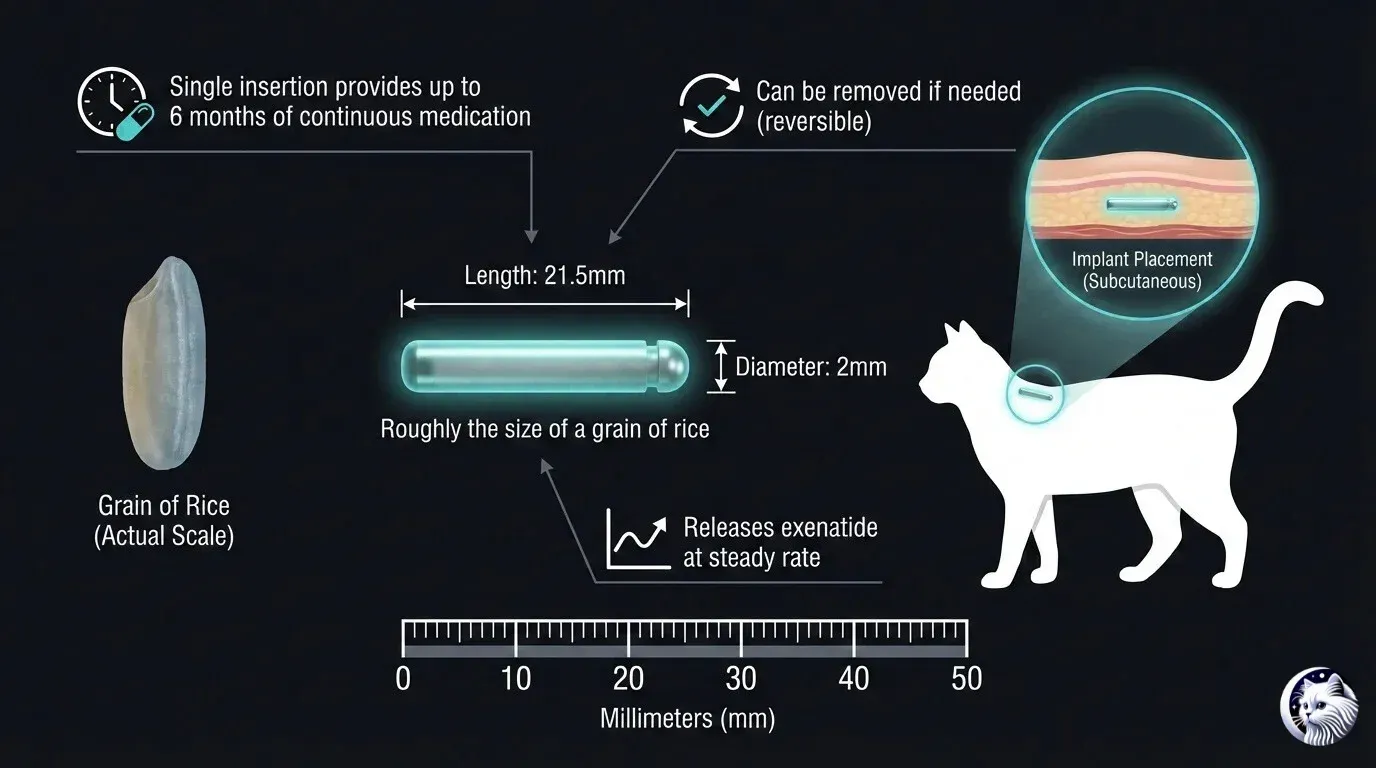
The key innovation is convenience and compliance. Giving cats daily or even weekly injections is notoriously difficult. The implant eliminates this burden entirely while providing consistent drug levels that may reduce side effects compared to intermittent dosing.
The Evidence:
"OKV-119 implant delivers exenatide for up to six months with a single subcutaneous insertion, maintaining 5-12% body weight reduction in cats."
One critical safety advantage: the OKV-119 implant can be removed to immediately discontinue drug exposure if needed. This reversibility distinguishes it from injectable depot formulations where the drug cannot be recalled once administered.
The MEOW-1 clinical trial—the first GLP-1 weight-loss trial ever conducted in cats or dogs—began enrolling participants in December 2025, with up to 50 cats expected to participate. Results are anticipated by summer 2026, with FDA approval potentially following in 2027-2028. If approved, the treatment is expected to cost approximately $100 per month.
Why Can't I Just Give My Cat Human Ozempic?
Human GLP-1 medications like Ozempic (semaglutide) and Wegovy are not approved for veterinary use and pose serious risks to cats. Cases reported to the Pet Poison Helpline document severe hypoglycemia requiring emergency care, particularly when cats accidentally received Ozempic instead of insulin. GLP-1 agonists for cats like OKV-119 are not the same as giving your cat human Ozempic---while both target the GLP-1 pathway, human medications are dosed for 70kg humans, not 5kg cats.
The differences extend beyond dosing. Human semaglutide and feline exenatide are distinct molecules with different half-lives and receptor binding characteristics. OKV-119 uses exenatide specifically because research demonstrates it is well-tolerated in cats, with side effects typically mild and self-limiting. Early studies suggested weekly extended-release exenatide injections might cause severe nausea, but subsequent research found the opposite—the extended-release formulation actually causes fewer GI side effects than twice-daily dosing.
What Can I Do Today Without Waiting for Drug Approval?
While pharmaceutical solutions remain in development, evidence-based cat care strategies can naturally trigger your cat's satiety signals and support healthy weight management. The goal is mimicking the natural feeding patterns cats evolved with rather than fighting against biology with willpower alone. For more actionable guidance on common cat owner mistakes that contribute to weight gain, see our comprehensive guide.
The Volume Hack (Wet Food Strategy):
Wet food typically contains 70-80% moisture, closely mimicking the moisture content of natural prey (approximately 70-75%). This volume creates physical stomach distension that triggers stretch receptors, signaling fullness to the brain before excessive calories are consumed. Dry kibble, by contrast, is calorie-dense with minimal volume—cats must eat significantly more calories before feeling satisfied.
Switching from dry to wet food, or adding water to meals, increases volume without increasing caloric intake. The stomach registers "full" sooner because physical capacity is reached before the calorie threshold for obesity is crossed.
The Dopamine Shift (Puzzle Feeders and Hunting Simulation):
According to Dr. Mikel Delgado's research on feline feeding behavior at Purdue University, food puzzles serve as environmental enrichment and may help address pet obesity by slowing food intake, though empirical evidence for weight loss effects remains limited. Puzzle feeders engage hunting instincts, slow eating speed, and provide mental stimulation that dry bowl feeding cannot match.
The Evidence:
"Overweight cats are four-and-a-half times more likely to develop diabetes mellitus and twice as likely to die in middle age compared to healthy-weight cats."
The hunting simulation matters because wild cats work for every meal. They stalk, pounce, fail, try again, and eventually succeed. This process creates dopamine release patterns tied to effort and reward rather than passive consumption. Puzzle feeders recreate this pattern, shifting satisfaction from quantity consumed to challenge overcome. Understanding your cat's body language signals can help you recognize when they're genuinely hungry versus seeking stimulation.
The Schedule Protocol:
Free-feeding (leaving food out continuously) maintains constant insulin elevation and prevents the natural feast-famine cycling cats evolved to handle. Scheduled meals—two to three measured portions daily—allow insulin levels to drop between feedings and restore metabolic rhythms closer to wild patterns.
The Biology Behind the Shame
Obesity in cats is not a moral failing—not yours and not your cat's. The domestic cat's metabolism evolved for a world of scarcity and intermittent hunting success. Modern cats inhabit a world of permanent abundance with zero energy expenditure required to access food. The mismatch is environmental, not behavioral.
Understanding this changes how we approach solutions. The question is not "how do I make my cat eat less through willpower" but rather "how do I restructure the environment to align with my cat's evolved biology." GLP-1 drugs address the physiological side of this equation, helping override hunger signals that made sense for survival but now drive pathological weight gain. Environmental modifications—wet food, puzzle feeders, scheduled meals—address the behavioral and contextual side.
The Evidence:
"Sixty percent of domestic cats are classified as overweight or obese, making feline obesity the most common nutritional disorder in veterinary practice."
The scale of this problem indicates that individual cats are not uniquely flawed. Sixty percent of any population experiencing the same outcome suggests a systemic cause---in this case, the mismatch between evolved metabolism and modern living conditions. Similar environmental mismatches explain other puzzling cat behaviors, like why cats love boxes—their instincts are optimized for a world very different from our homes.
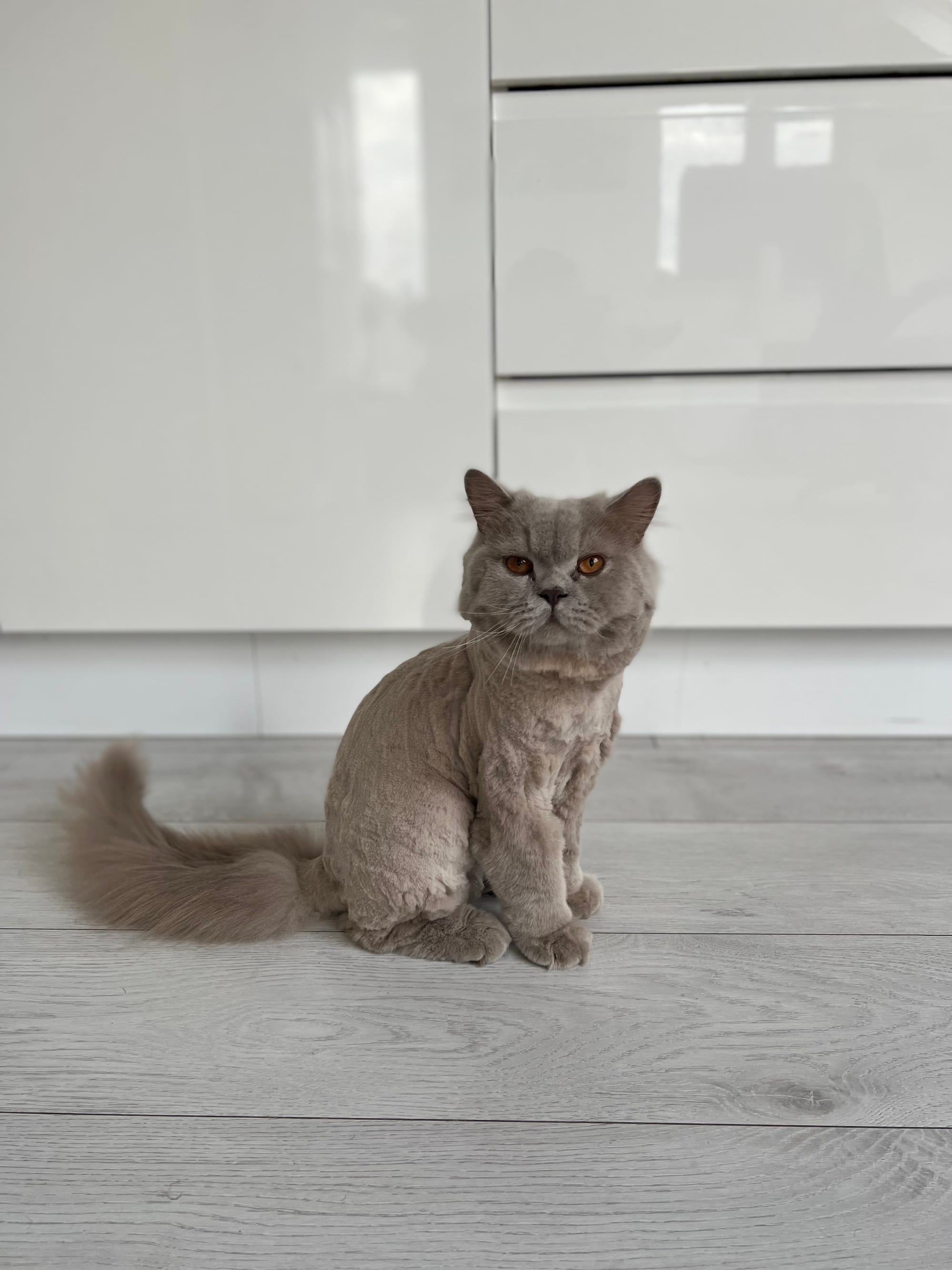
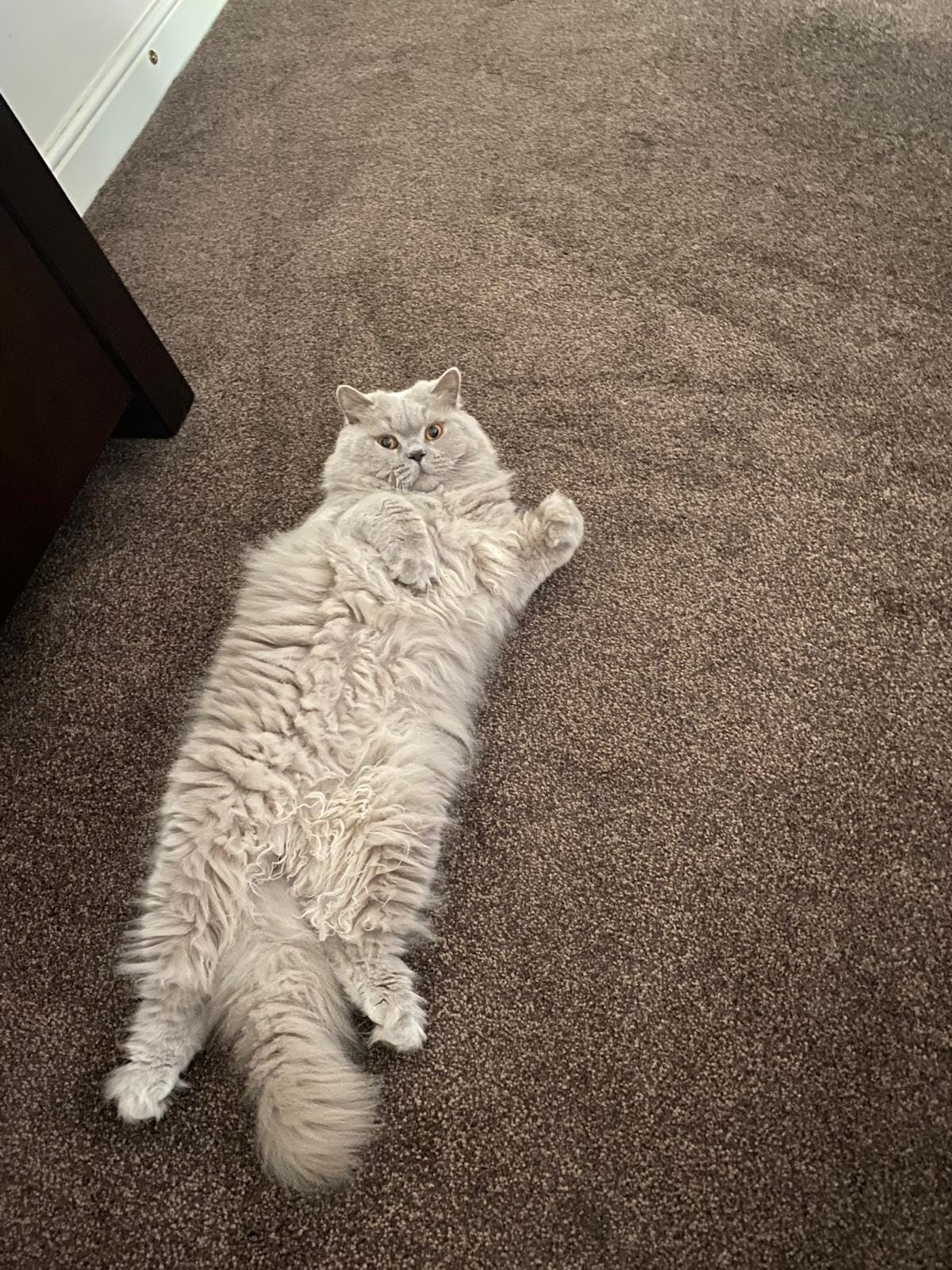
Fur can make a huge difference to size perception. Moon with and without a trim
Key Terms Used
| Term | Definition |
|---|---|
| GLP-1 (Glucagon-Like Peptide-1) | An incretin hormone released by intestinal cells in response to food intake that signals satiety to the brain, slows gastric emptying, and enhances insulin secretion. |
| Incretin | A class of hormones released by the gut in response to nutrients that enhance insulin secretion; includes GLP-1 and GIP. |
| Glucokinase | A liver enzyme that senses glucose and helps regulate blood sugar; cats lack this enzyme entirely, which affects their glucose metabolism. |
| Obligate carnivore | A species that requires nutrients found only in animal tissue and cannot synthesize certain essential amino acids from plant sources. |
| Body Condition Score (BCS) | A 9-point veterinary scale for assessing cat weight and fat coverage, where 5 represents ideal body condition. |
| Exenatide | A GLP-1 receptor agonist drug derived from Gila monster saliva; the active ingredient in the OKV-119 feline implant. |
| Hepatic lipidosis | Fatty liver disease in cats, a potentially fatal condition that can be triggered by rapid weight loss or prolonged fasting. |
Frequently Asked Questions
Can I give my cat human Ozempic or Wegovy?
No. Human GLP-1 medications like Ozempic (semaglutide) and Wegovy are not approved for cats and can cause dangerous complications including severe hypoglycemia, GI distress, and electrolyte imbalances. The Pet Poison Helpline has documented emergency cases involving cats that received human GLP-1 drugs. Always consult a veterinarian before giving any medication to your cat.
When will GLP-1 drugs be available for cats?
The MEOW-1 clinical trial began in December 2025, with results expected by summer 2026. Okava Pharmaceuticals targets FDA approval filing for 2027-2028. If approved, OKV-119 is expected to cost approximately $100 per month.
Can cats lose weight without medication?
Yes. Most cats can achieve healthy weight loss through diet modification and environmental enrichment alone. High-protein wet food (typically 70-80% moisture), measured scheduled meals instead of free-feeding, and puzzle feeders to engage hunting instincts form an effective evidence-based protocol. GLP-1 drugs may help cats with severe obesity unresponsive to lifestyle changes, but medications do not replace proper nutrition and enrichment.
Why is my cat always hungry even after eating?
Cats evolved as feast-or-famine hunters with metabolic programming that drives continued eating during abundance to prepare for future scarcity. Dry food, which is calorie-dense with low volume, fails to trigger stretch receptors that signal fullness. Switching to wet food or adding water to meals increases stomach volume, helping your cat feel satisfied with fewer calories.
Is feline obesity really that serious?
Yes. Overweight cats are 4.5 times more likely to develop diabetes mellitus and twice as likely to die in middle age compared to healthy-weight cats. Obesity also increases risk for urinary tract disease, arthritis, skin conditions, and anesthetic complications. The Cornell Feline Health Center identifies obesity as the most common nutritional disorder in cats.
How do I know if my cat is overweight?
Use the Body Condition Score (BCS) system. In an ideal-weight cat (score 5 on a 9-point scale), you should feel ribs easily with light pressure, see a visible waist when viewed from above, and observe a slight abdominal tuck from the side. If ribs require firm pressure to feel or are unfindable, or if there is no visible waist, your cat likely scores above ideal and warrants veterinary assessment.
What is the difference between GLP-1 and GIP in cats?
Both are incretin hormones, but they respond to different nutrients. GLP-1 is stimulated by glucose in cats just as in humans. GIP (glucose-dependent insulinotropic polypeptide) responds primarily to amino acids and fat rather than glucose in cats---reflecting their obligate carnivore metabolism. This distinction matters because it explains why cats handle carbohydrates differently from omnivores.
How fast should a cat lose weight?
Veterinarians typically recommend weight loss of 1-2% of body weight per week. Faster weight loss can trigger hepatic lipidosis (fatty liver disease), a potentially fatal condition. A 5kg cat should lose no more than 50-100 grams per week. Always pursue weight loss under veterinary supervision.
Key Takeaways
- Feline obesity affects 60% of cats: This epidemic reflects environmental mismatch, not individual moral failing—cats evolved for scarcity but live in abundance.
- GLP-1 drugs work in cats because the hormone is identical: The GLP-1 peptide is 100% homologous between cats and humans; metabolic differences lie in glucose processing pathways, not receptor shape.
- Human Ozempic is dangerous for cats: Never give your cat human GLP-1 medications—they are not approved for veterinary use and can cause severe hypoglycemia and other complications.
- OKV-119 implant is in clinical trials: The MEOW-1 trial (first GLP-1 trial in cats or dogs) began December 2025 with FDA approval potentially in 2027-2028.
- Natural strategies work today: Wet food (70-80% moisture), puzzle feeders, and scheduled meals can trigger satiety signals without waiting for pharmaceutical approval.
Sources
- Association for Pet Obesity Prevention 2024 Survey - (Link)
- Normal Glucose Metabolism in Carnivores Overlaps with Diabetes Pathology in Non-Carnivores - Schermerhorn T., Frontiers in Endocrinology, 2013 (Link)
- OKV-119 Drug Release and Weight Loss Study - Klotsman et al., BMC Veterinary Research, 2024 (Link)
- New Approaches to Feline Diabetes Mellitus: Glucagon-like peptide-1 analogs - Gilor et al., Journal of Feline Medicine and Surgery, 2016 (Link)
- Food Puzzles for Cats: Feeding for Physical and Emotional Wellbeing - Dantas, Delgado, Johnson, Buffington, Journal of Feline Medicine and Surgery, 2016 (Link)
- Cornell Feline Health Center: Obesity - Cornell University College of Veterinary Medicine (Link)
- Cats and Carbohydrates: The Carnivore Fantasy? - Verbrugghe & Hesta, Veterinary Sciences, 2017 (Link)